Delays in Western arms deliveries have led to a sharp increase in Ukraine’s budget deficit, – the Minister of Finance says
11.08.2024 13:31
After the incursion into the Kursk region, Ukraine is preparing for a powerful missile strike from Russia – The Times
12.08.2024 05:03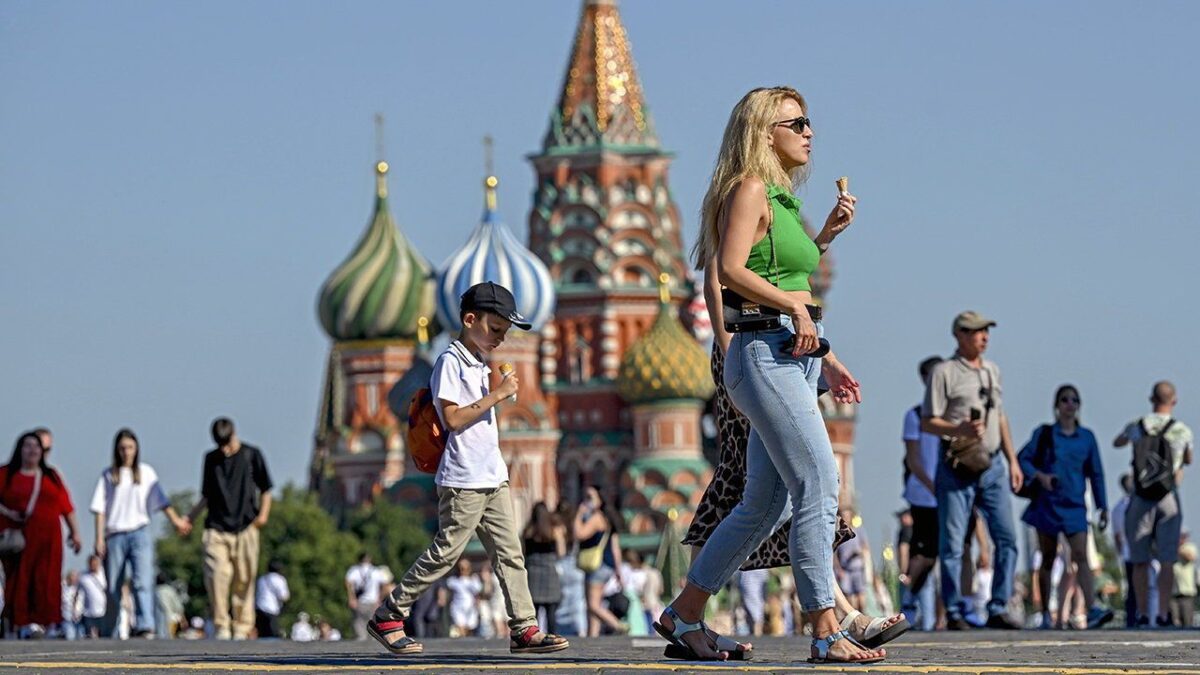
Despite intense sanctions, Russia’s economy is “growing strongly.” It turns out that massive war-time spending is indeed boosting the economy.
This is reported by The Economist.
It is expected that this year, Russia’s GDP will grow by more than 3% in real terms, which is faster than 95% of wealthier countries.
“The economy is accelerating. Unemployment is near a record low, and the ruble is doing well. However, inflation is too high—prices rose by 8.6% year-over-year in June, significantly above the central bank’s target of 4%. But with a 14% year-over-year increase in monetary incomes, Russians’ purchasing power is growing rapidly,” the article states.
For those skeptical of Russia’s official statistics, the publication cites data from the independent sociological company Levada-Center, which records an increase in consumer sentiment in Russia.
“Only once in the past three decades have sentiments been better. Russians’ confidence in their own financial situation, according to official data, recently surged to a record high. They are more inclined to make large purchases, such as a car or a sofa, and restaurants are overcrowded. Last year, Russians imported 18% more cognac than in 2019, according to our estimates, with sparkling wine imports up by 80%. Sberbank, Russia’s largest financial institution, notes that total consumer spending in June increased by 20% year-over-year in nominal terms,” the article states.
The latest data “sharply contrasts with the 2010s, when production and income levels grew slowly or not at all.”
Moreover, this is not related to the growth of hydrocarbon exports, which have been declining year-over-year in dollar terms. The publication cites two reasons for the growth. The first is high government spending, including social payments to military personnel. The second is high-interest rates, which attract investors from “friendly countries” and lower import prices. At the same time, the Russian government has protected the real economy from “harsh” monetary policy.
However, the publication makes negative forecasts.
“At current rates, Russia’s financial reserves will be depleted in about five years; meanwhile, the government will face high borrowing costs. But for now, Putin needs to win the war. And the party goes on,” writes The Economist.
Earlier, Bloomberg reported that Russian oligarchs are making billions of dollars in profits despite sanctions amid the growth of the military economy.
Recently, The Financial Times wrote that despite sanctions and the war, there is a consumer boom in Russia. Real wages in the country have increased by almost 14%, and consumption of goods and services—by about 25%.

 English
  Русский