

Former advisor to the head of the Office of the President of Ukraine, Arestovych, predicted the collapse of the front in Ukraine within three to four months
03.10.2024 05:26
The best vehicles destroyed: Ukraine sent its best tanks to Kursk – Forbes
03.10.2024 08:56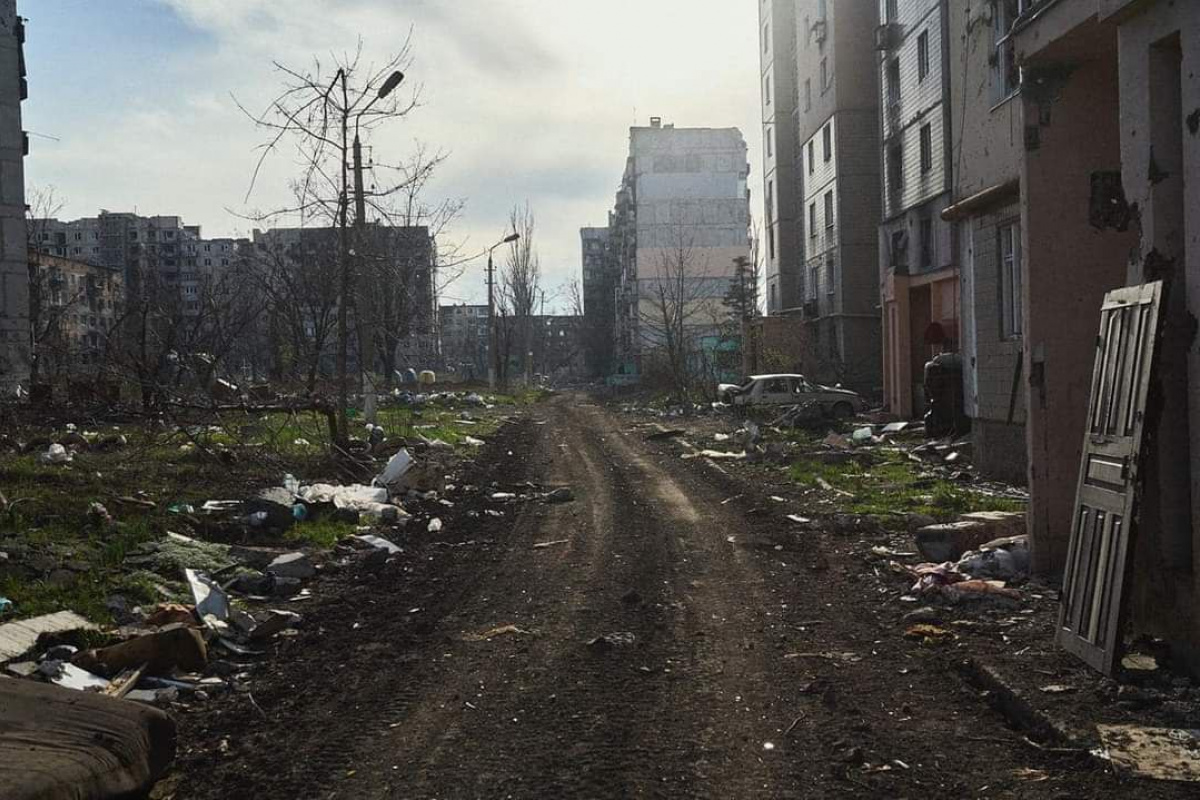
Members of the Ukrainian military continue to criticize the leadership of the Armed Forces of Ukraine (AFU) and blame it for the loss of Vuhledar. A representative of the staff of the 72nd Separate Mechanized Brigade explained the reasons for losing the city.
“Before our brigade was relocated to the Donetsk region, we were a fully combat-ready unit with a complete roster. But after two years of fighting without rotations or rest, we became non-operational, the brigade was worn down to nothing,” said Viktor, who holds a position in the headquarters of one of the battalions of the 72nd Brigade of the AFU.
“Over these two years, while we were stationed in the Vuhledar direction, there was only one time in my battalion that we managed to fully staff just one company—out of the entire battalion. Every three months, we received reinforcements of 25 recruits, most of whom were men aged 50 and above. They were poorly trained in boot camp, with no knowledge of tactical medicine or how to operate grenade launchers or machine guns. We taught them whatever we could in a week, but understand, that’s a very short time,” he added.
When asked why they were unable to hold the city, which was positioned on higher ground and had a strategic advantage for defense, and which his brigade and other units had held for two years, Viktor responded:
“What’s the advantage of holding higher ground if enemy drones are constantly overhead, day and night? And they have superiority in artillery, while we were hardly given any artillery at all, unlike the situation in the winter of 2023… The Russians also began remotely mining all the access roads to the frontline. Yes, their infantry might be ragtag, but they have advantages in equipment and numbers. We simply had no more troops or resources to fight.”
Viktor shared the numbers of remaining soldiers in his battalion. Out of the standard 350 personnel, only enough remained to form a single platoon—about 30 people. This included mechanics and drivers, while the number of infantrymen left holding the frontline, covering a 2-3 kilometer stretch, was only 14-18 soldiers.
“We repeatedly stated that the unit was no longer combat-capable. Occasionally, reinforcements were sent, but they were quickly worn down too, due to inadequately assigned tasks, such as ‘retake lost positions,’ when we could no longer even hold the ones we had at the time,” Viktor explained.
When asked if it would have been possible to stop the Russian advance on Vuhledar in the last few months, Viktor answered, “Yes, if we had been rotated out at least 2-3 months earlier. But that would depend on who replaced us and whether the infantry there would have been willing to hold the frontline.”
It is worth noting that the Russian army captured Vuhledar. For some time, the Ukrainian side tried to ignore this fact and did not report the situation in the city in their official updates.


 English
  Русский
