

Ukraine’s draft exemption rules may change: an MP explained who risks losing their deferment
05.05.2026 13:03
€1.22 million in losses: in Vinnytsia, a scheme to embezzle trade union property was uncovered
05.05.2026 15:07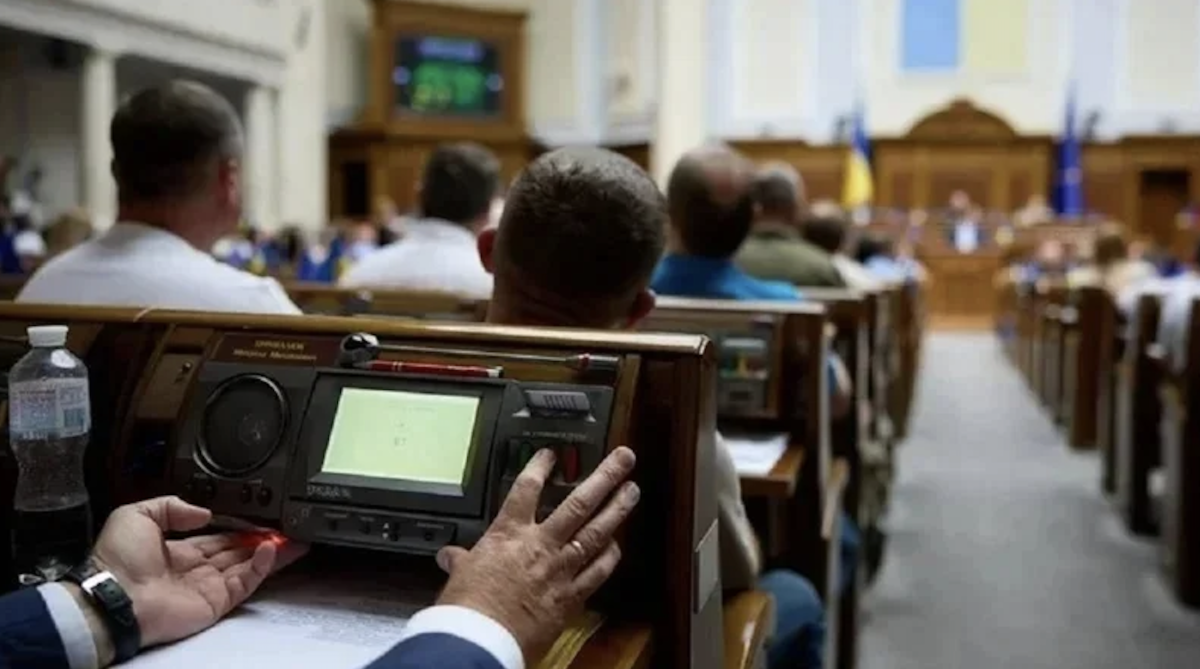
Lawyers and open-data experts are warning about serious risks following the rapid change in the legislative course in the Verkhovna Rada.
On April 28, 2026, parliament withdrew the previous Civil Code draft law No. 14394 from consideration and quickly moved forward with a new one — No. 15150, registered only on April 9.
The speed of consideration is raising questions: the bill passed the профильный committee and was approved by lawmakers in its first reading on the same day. This is not about technical amendments, but about a reform that could affect access to public information, journalistic investigations, financial monitoring, and business due diligence.
As experts from YouControl note, the current version could weaken the open-data ecosystem. The greatest concern is Article 328, which expands the “right to be forgotten.” It allows demands for the removal of information not only when it is inaccurate, but also when the data has allegedly “lost public interest.”
Such wording could become a tool for abuse. People implicated in corruption scandals, sanctioned individuals, or companies with questionable histories could seek the removal of inconvenient references from media, analytical systems, and registry aggregators.
Articles 345 and 353 also appear controversial, as they effectively introduce a kind of “digital privacy” for legal entities. Processing a company’s data could require its consent, even though information about businesses, tax debts, court cases, sanctions, and ties should remain public for counterparty checks and market protection.
The provisions on “digital space” in Articles 321, 332, and 336 could also hit OSINT tools, compliance services, and platforms working with open state data. If adopted unchanged, the creation of analytical profiles could be considered a violation, complicating KYC/AML procedures and the checking of business links.
Another dangerous norm is the “right to informational peace” in Article 337. It could become grounds for SLAPP lawsuits against journalists, activists, and civil society organizations. Subjects of investigations would be able to demand an end to publications by claiming a violation of their “informational peace.”
Critics emphasize that the problem lies not only in specific articles, but also in the fact that a document with such consequences was pushed through parliament too quickly and without sufficient public discussion.
Lawyers are calling for the bill to be revised before the second reading: to limit the “right to be forgotten,” exclude “digital privacy” for legal entities, protect the processing of open state data, and establish safeguards for journalists, OSINT analysts, and compliance systems.
In its current form, the draft looks not like a step toward European regulation, but like a risky rollback in the field of transparency. Without serious amendments, it could weaken public oversight, complicate the fight against corruption, and give new tools to those who want to hide inconvenient information.




 English
  Русский