In Ukraine, the possibility of Russian troops reaching Kyiv by the end of winter was acknowledged
01.08.2025 09:28
“Streets of death and ghost villages”: activist says the situation in Kherson and the region is rapidly deteriorating
01.08.2025 10:33
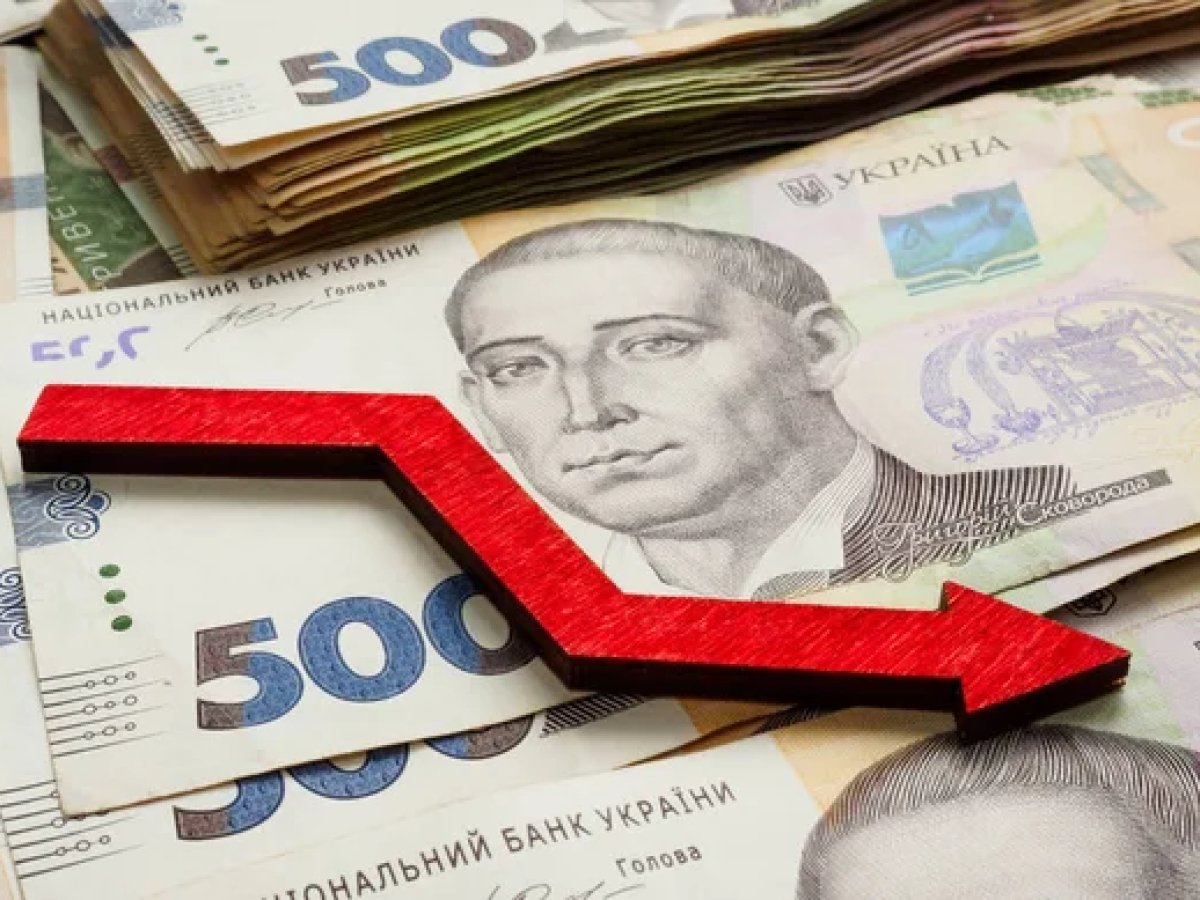
The National Bank of Ukraine (NBU) has postponed by a year its forecast of when Ukrainians will begin returning from abroad.
In its April forecast, the NBU predicted that 200,000 people would return to Ukraine next year, with another 500,000 returning by 2027. Now, the Bank expects only 100,000 to come back in 2027.
In both this year and next, a net outflow of 200,000 people abroad is expected.
These negative migration trends are noted to be slowing GDP growth, and the pace of return migration will depend heavily on security risks.
The NBU’s inflation report also states that food prices in Ukraine are now higher than in Romania, Slovakia, and Turkey.
In particular: pork and dairy products in Ukraine are more expensive than in Poland. Butter is 25% more expensive than in Poland.
On the other hand, bread, grains, fruits, vegetables, and freshwater fish are significantly cheaper in Ukraine.
Since 2016, food prices in Ukraine have risen almost twice as fast as in the EU — by 79% compared to the EU’s 46%.
The NBU also forecasts that tariffs for electricity, gas, heating, and hot water may rise next year.
For the remainder of the current year, existing tariffs are not expected to change. However, the report notes:
“Given the difficult situation in the energy sector, it is assumed that starting in 2026, these tariffs will gradually be brought to economically justified levels.”
The specific parameters of this tariff adjustment remain uncertain and represent a risk to the inflation forecast.
Additionally, further increases in excise taxes are expected in the coming years.
It is worth noting that the EU has extended the protection of Ukrainian refugees until early 2027, though discussions have already begun on a program for partial repatriation.


 English
  Русский