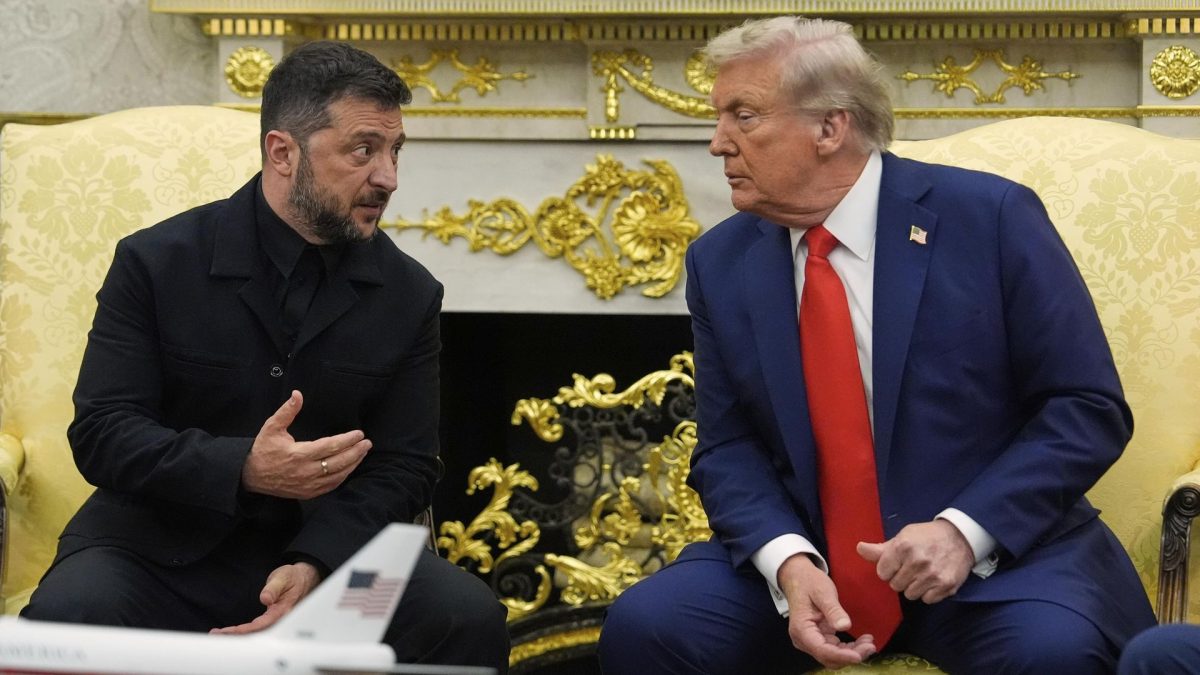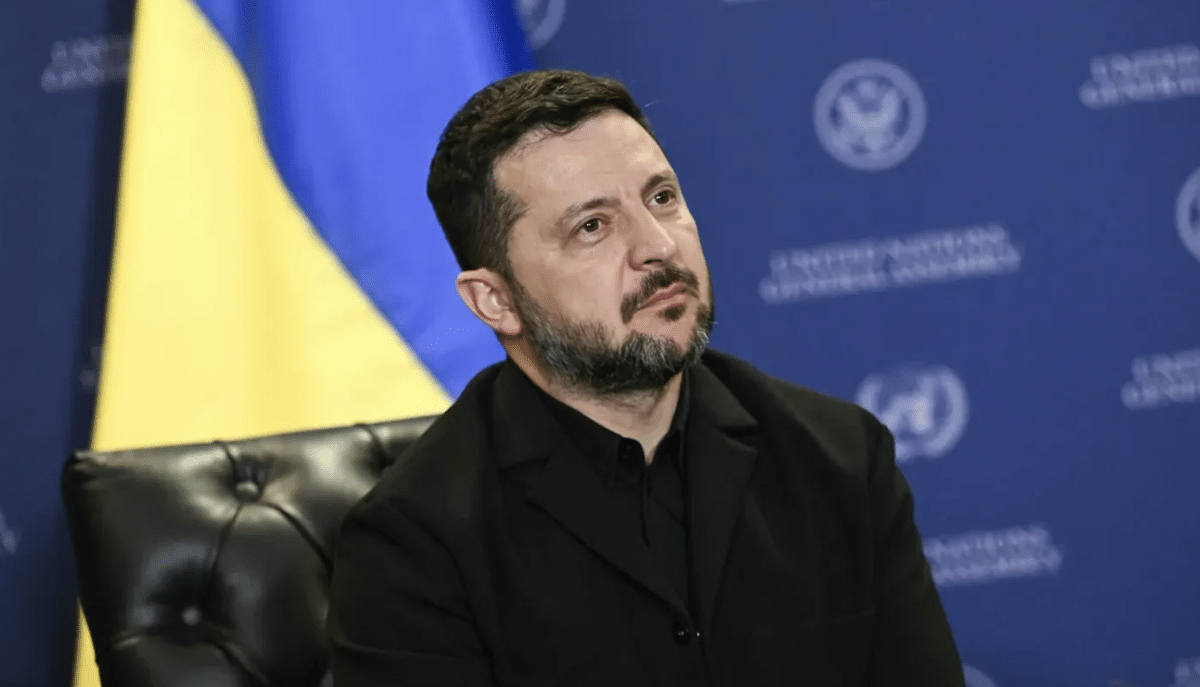
Umerov reported to Zelensky on the results of the “difficult but productive” talks
02.12.2025 06:02
Myndych has been placed in pre-trial detention in absentia
02.12.2025 07:02
EU leaders are facing serious disagreements over a proposed scheme to fund Ukraine using Russian assets: Belgium continues to resist the proposed “reparations loan,” and the European Union still lacks a clear, legally safe and politically agreed solution.
The European Commission is currently consulting member states on the so-called “reparations loan” for Ukraine, but Belgium is openly expressing its opposition. EU leaders will have to study the legal proposals in a very short timeframe and try to find a compromise before the 18–19 December summit.
According to Politico, by the middle of the week EU leaders will review different legal options that would allow continued financing for Ukraine. However, Belgium’s resistance to using frozen Russian assets is only growing, and the way forward looks increasingly confrontational.
Belgian Foreign Minister Maxime Prévot said that the lack of a clear decision on Ukraine funding is not Belgium’s fault, but the result of the EU insisting specifically on the Russian-assets scheme while “not knowing how to do it and not understanding the associated risks.” He also warned that the “reparations loan” format could complicate or even undermine potential peace talks, since these assets could play a role in future arrangements.
Despite Brussels’ objections, the European Commission confirms that work on the “reparations loan” continues as one of the options proposed by President Ursula von der Leyen. Consultations with member states, including Belgium, are ongoing.
German Chancellor Friedrich Merz, for his part, acknowledges Belgium’s concerns but insists that the EU has “strong arguments” in favor of increasing pressure on Russia, including through the use of its assets.
Meanwhile, tensions are growing within the EU over who benefits and how from the current situation. Diplomats, referring to tax revenues generated by Russian assets, are questioning how exactly Belgium is using this income and whether it might have “secondary goals” in the context of discussions over a €140 billion package for Ukraine.
These disputes are worsening the atmosphere ahead of the meeting of defense ministers and the EU Foreign Affairs Council in Brussels. The coming weeks are expected to be extremely difficult for EU leaders: they will have to choose between several problematic options — increasing debt to fund aid to Ukraine, tapping the EU budget, or launching the Russian-assets scheme.
At the same time, as EU sources stress, “there is no easy way out,” but officially Brussels repeats that failure to reach an agreement is not seen as an acceptable scenario. European Council President António Costa is expected, according to diplomats, to push for decisions to be taken at the December summit.

 English
  Русский