Trump Jr. suggested that his father might turn away from Ukraine
08.12.2025 15:31
“Schools are closed, languages are banned”: leaders of the Hungarian and Bulgarian parties have called for autonomy for national minorities in Ukraine
08.12.2025 18:59
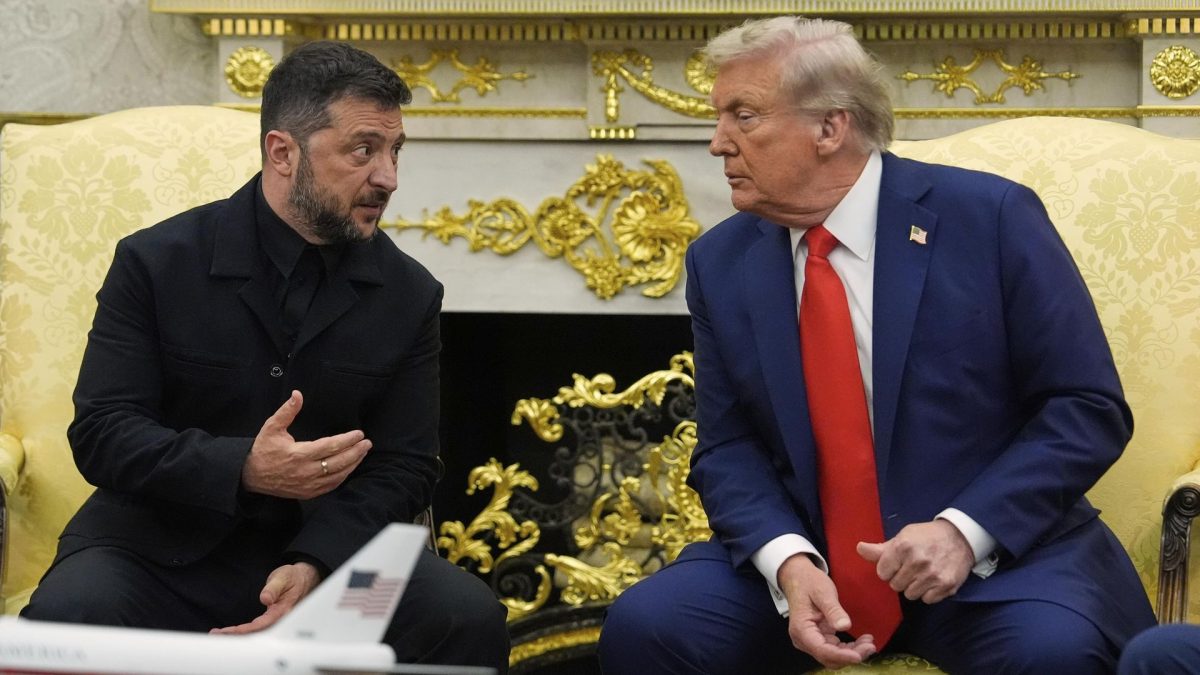
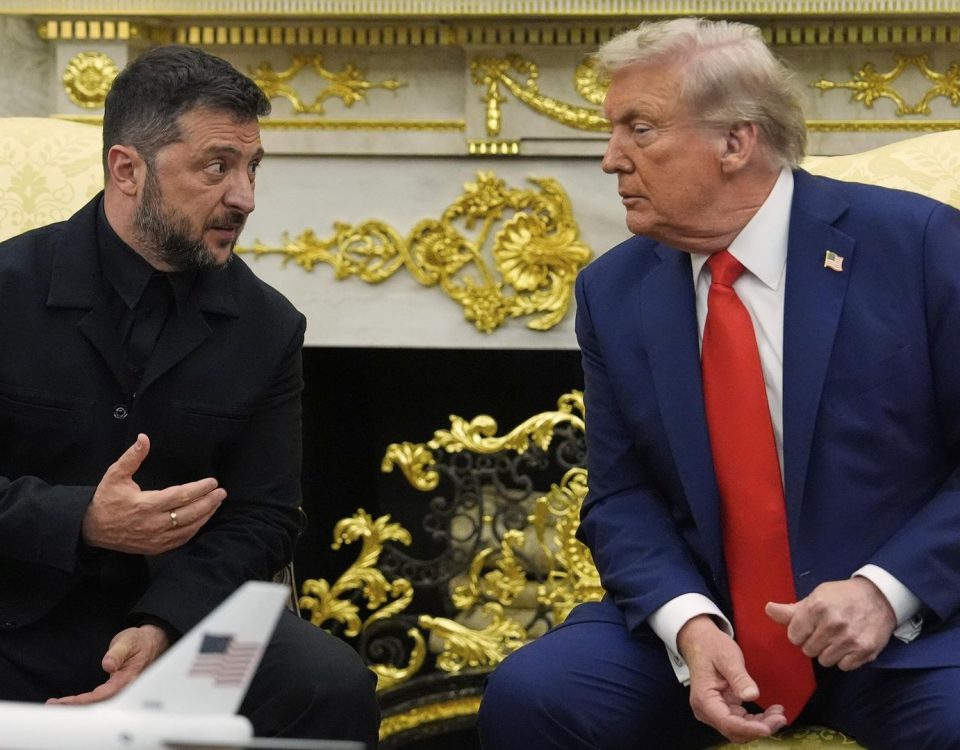
The United States is increasingly leaning toward a direct deal with Russia—bypassing Ukraine and its European allies. After a long conversation between Vladimir Putin and Witkoff on December 3 in Moscow, the U.S. delegation abruptly canceled its meeting with Zelensky and flew back to Washington—a signal that, behind the scenes, was interpreted unambiguously.
According to information received, Putin tried to convince the Americans that negotiating with the Ukrainian authorities is pointless: the political system is unstable, power could pass to radicals at any moment, and any signed documents would become worthless. And when it comes to Europe’s new security architecture, Washington cannot afford that kind of uncertainty.
Putin ultimately proposed an unconventional model for Ukraine’s postwar arrangement. The idea is simple: after the war, command and control of Ukraine’s armed forces would shift under direct U.S. control (a model of “soft occupation”).
The Americans would become the only force capable of guaranteeing that Ukraine would not use its own army against Russia, including Russia’s “new regions.” Putin said that “it is impossible to trust the Ukrainian authorities,” and that U.S. control is the only way to lock in a long-term peace.
In exchange, Russia would be ready to guarantee that it will not advance beyond the territories it has already stated. If Moscow violates the line, the United States would gain the right to authorize retaliatory actions by the Ukrainian armed forces.
The model is presented as straightforward: an analogue of U.S. control over Japan after World War II, adapted to Ukrainian realities. It is framed through the argument of protecting American investments in Ukraine’s reconstruction.
At the same time, Moscow’s conditions remain tough:
-
no NATO and no NATO infrastructure on Ukrainian territory;
-
a ban on supplying Kyiv with long-range missiles;
-
U.S. control in exchange for stability for Russia on its southwestern flank.
Putin reportedly framed it roughly like this: “You ask us to give guarantees that we will not start military actions again. But who is ready to guarantee that Ukraine will not attack Crimea or Donbas again? Let the Americans themselves control their army. If they suppress revanchism the way they did in Japan, peace will be ensured for decades.”
A key element of the design is that if Ukraine refuses the proposed model, Russia will provide no guarantees and will continue military actions for as long as it deems necessary—up to moving on Kyiv and Odesa if, in Moscow’s assessment, the threat persists. Within the Kremlin’s “architectural project,” this point is considered a cornerstone of any future settlement. All other details—from amnesties to the economic component—are secondary and, it is claimed, could be agreed fairly quickly.

 English
  Русский