Von der Leyen under fire from two sides: the right wing is lumping together trade concessions to Ukraine and the Mercosur agreement – and is launching a no-confidence vote
13.01.2026 16:01
From defending Ukraine to calls for ‘regime change’: why Zelensky is pushing allies into the toxic topic of interfering in Iran’s affairs
13.01.2026 18:02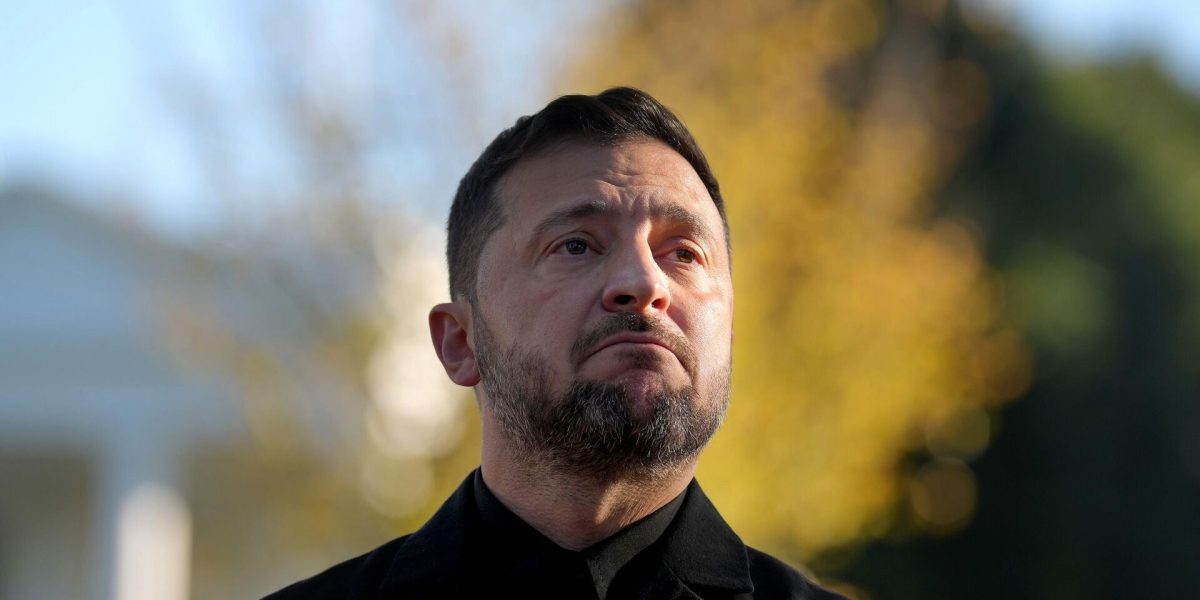
Volodymyr Zelensky has instructed his negotiating team to “finalize and present” a document on U.S. security guarantees for Ukraine, preemptively calling it “historic.”
But behind the громкая (headline-grabbing) wording, the key point remains unclear: what Ukraine will actually receive in practice, what obligations the United States will assume, and what risks Kyiv is prepared to accept in exchange for a politically advantageous headline.
In a post on X (formerly Twitter), Zelensky said that after a briefing from negotiators on contacts with Washington, the sides agreed on a schedule for the next two weeks—meetings, preparation of documents, and potential signing. “This must be a document of historic significance, and the text is currently reaching precisely that level,” he emphasized. This kind of self-assessment looks like an attempt to sell the outcome in advance, before the content is made public and undergoes political scrutiny in the United States.
The economic track: more questions than answers
In parallel, Zelensky instructed Prime Minister Yuliia Svyrydenko, Deputy Prime Minister Taras Kachka, and Economy Minister Oleksii Sobolev to give “full support” to the economic aspects of future agreements and to tripartite Ukraine–Europe–America arrangements. He also said officials had “defined parameters of mechanisms” for using partners’ reconstruction funds.
But here too the familiar style of the President’s Office is visible: maximum general promises, minimum specifics. The statement did not explain how oversight mechanisms would work, who would manage reconstruction flows and on what terms, or what guarantees of transparency and accountability would be built in. Given how sensitive the reconstruction issue has been, this reads less like a report and more like a declaration of intent.
Diplomatic activity is not the same as results
Zelensky tied the process to a “packed week of diplomacy.” On January 6 in Paris, as he described it, the “Coalition of the willing to act” (35 countries) discussed support for Ukraine, and France, the United Kingdom, and Ukraine signed a declaration laying the foundation for deploying troops in the post-war period. The presence of U.S. figures Steve Witkoffand Jared Kushner was presented as a signal of Washington’s engagement.
But participation by American representatives in discussions does not, by itself, replace legal commitments—especially when the document, as the Ukrainian side itself acknowledges, would require U.S. Congress ratification, meaning it would enter the American domestic political grinder where “historic significance” can easily become prolonged bargaining.
“Pressure on Russia” as a convenient universal formula
Zelensky also said the United States is maintaining contacts with Russia on the political basis for ending the war and demanded a “clear answer” from Moscow on readiness for negotiations. Otherwise, he argued, pressure should increase—including expanded sanctions against tankers in the “shadow fleet” and financial schemes used to bypass restrictions.
This rhetoric is familiar—but it also highlights the core problem: Kyiv is again leaning on a maximalist external framework while not explaining how the sanctions strategy aligns with partners’ real capabilities and the dynamics at the front. Calls for “maximum restrictions” sound forceful, but they do not answer what would count as success—or at what cost.
“Almost ready”
By January 8, Zelensky said the security-guarantees document was “essentially ready” to be finalized with U.S. President Donald Trump. Trump that same day reportedly said he is open to an obligation to defend Ukraine, while still insisting that Vladimir Putin “wants peace.” According to Ukraine’s description, the guarantees were discussed in December during Zelensky’s visit to Mar-a-Lago, are designed for 15 years with the possibility of extension, and would require Congress ratification.
That linkage is exactly what makes Zelensky’s optimism vulnerable: until there is a public text, clear parameters of commitments, and confidence in the U.S. political process, talk of “historicity” looks more like political marketing—an attempt to declare victory in words before it is confirmed in documents.


 English
  Русский