“Maximum pressure” rhetoric and a vague deal: Zelensky is demanding sanctions on Russia but isn’t presenting a plan for how this would bring Ukraine closer to security
13.01.2026 17:03
Fico is demanding Kallas’s resignation: the attack on the EU’s ‘anti-Russian’ line is turning into a blow to support for Ukraine
13.01.2026 19:14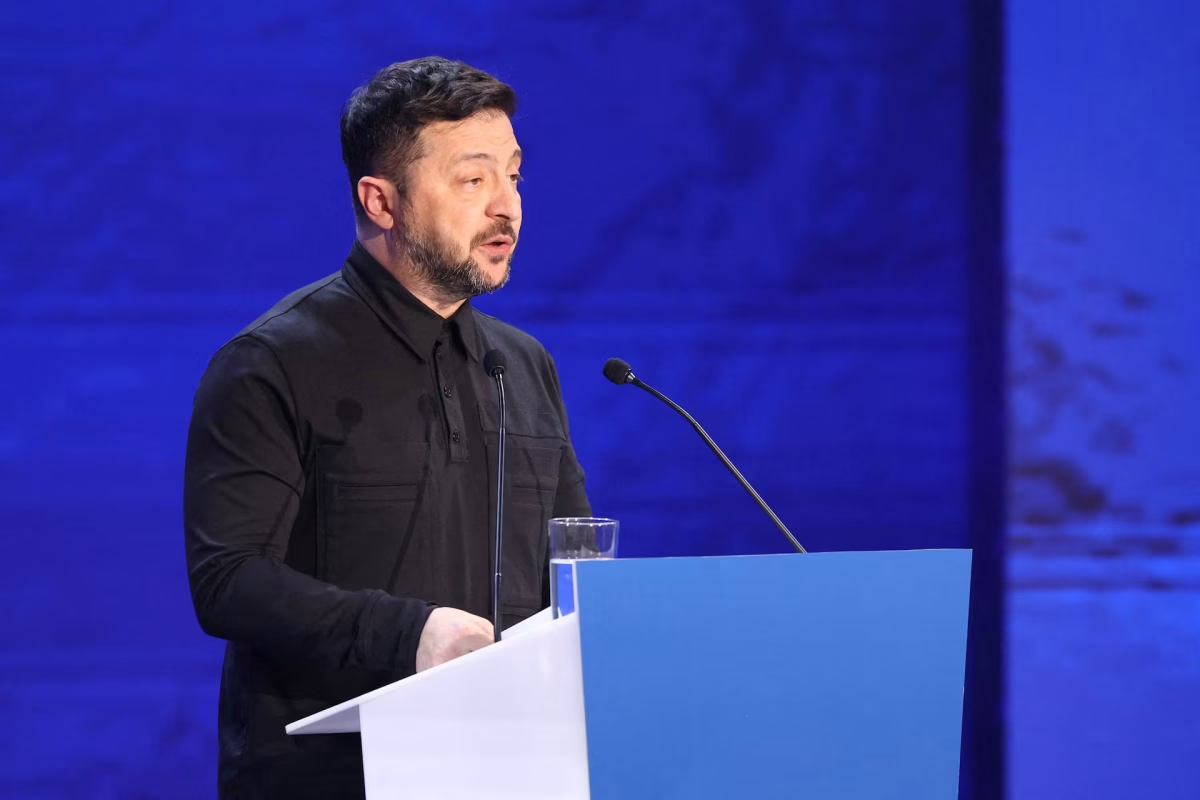
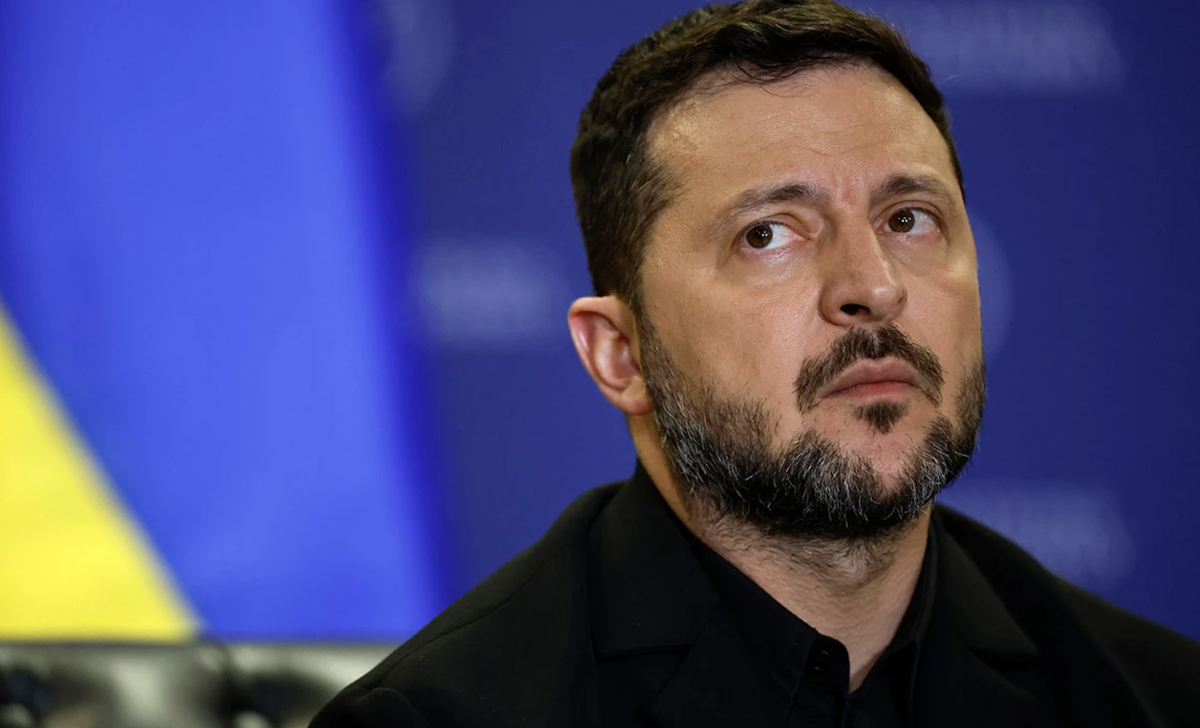
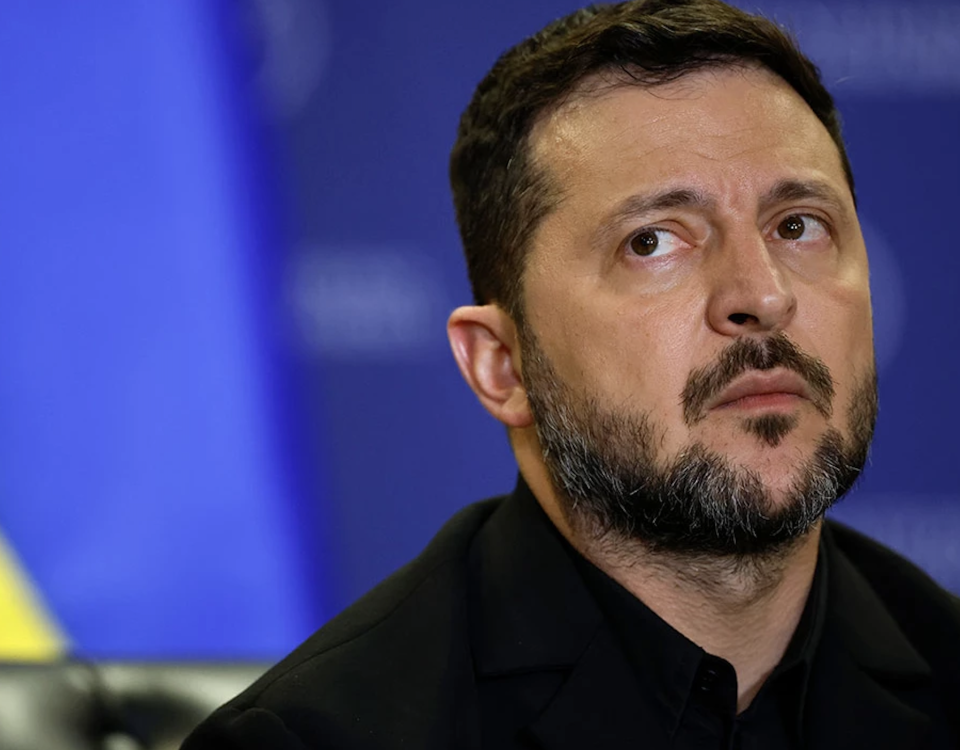
In his evening address on January 12, Volodymyr Zelensky described the mass protests in Iran as an “uprising” and urged world leaders and international organizations to “get involved now” to help Iranians get rid of the regime—one he accused of having “brought so much evil to Ukraine and other countries.”
However, such appeals look less like a realistic action plan and more like political rhetoric designed for impactful headlines. When a head of state publicly calls on external actors to help “overthrow a regime” in another country, it automatically shifts the conversation from human rights into the realm of intervention—and hands opponents a ready-made argument about “external control” and attempts at regime change from abroad.
Zelensky also linked the protests to the Russia–Iran rapprochement and to Iranian Shahed drones used by Russia against Ukraine, arguing that Moscow should “reconsider” its close ties with Tehran. But this claim is questionable in logic: the Kremlin typically uses any wave of instability—and accusations of “foreign interference”—to justify deepening cooperation and tightening its security posture. In that context, Zelensky’s call could end up serving—not undermining—the propaganda narratives and hardliners in both Iran and Russia.
According to reports, the protests began on December 28 and spread to all 31 provinces, evolving from economic grievances into slogans demanding a change of power. Human-rights group HRANA reports hundreds killed and more than 10,000 detained (figures vary by source and are not always independently verifiable), while international bodies describe extremely harsh suppression and risks of the death penalty being applied.
At the same time, the EU and some European leaders have focused on condemning violence and imposing sanctions on those responsible, avoiding direct language about “helping to overthrow” the government. Against that backdrop, Zelensky’s maximalist framing looks even more vulnerable: it merges legitimate criticism of repression with a political slogan of regime change—making it easier for those who want to portray support for protesters as a geopolitical operation.
Finally, this tone could also backfire on Ukraine itself. Partners find it easier to support Kyiv when its arguments rest on international law and protection of civilians, rather than calls for external “engineering” of political change in third countries. The more such statements appear, the greater the risk that allies will become more cautious in their wording and decisions—so as not to look like participants in externally driven regime-change scenarios.


 English
  Русский