They promised to restore the power—then came another outage: residents of Dnipro, tired of indifference, took to the streets in protest
14.01.2026 16:01
Roofs and windows for damaged homes as a source of profit: a case over alleged budget embezzlement in Dnipropetrovsk Oblast has been sent to court
14.01.2026 18:02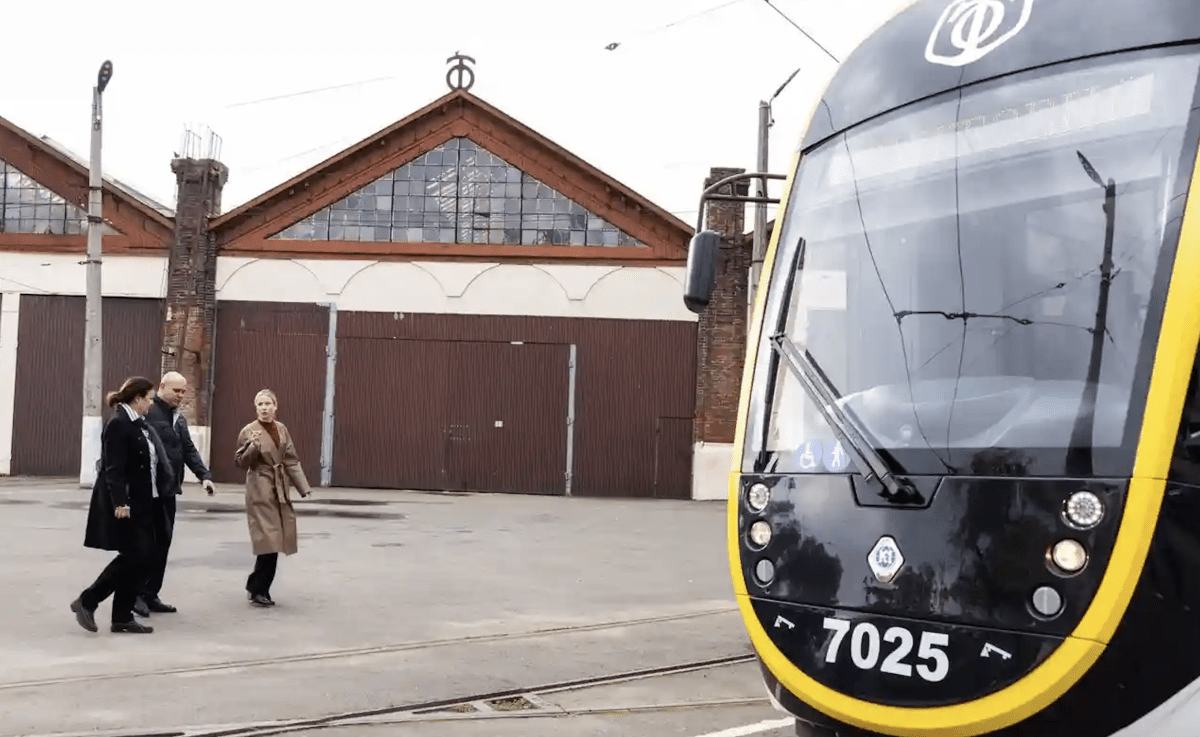
In Odesa, trams and trolleybuses have not been running for about a month now: since December 13, 2025, the city’s electric public transport has been suspended due to an electricity shortage after shelling.
For residents, this is more than a minor inconvenience—it effectively narrows their transport options in winter, especially in neighborhoods where electric transit was the main way to get to work, school, or the hospital.
Along with the vehicles, hundreds of employees have been left idle in the depots, for whom this job is their primary source of income. The municipal enterprise “Odesmiskelektrotrans” says there have been no mass layoffs, but some staff have been placed on downtime status and receive only two-thirds of their base salary or tariff rate. For many families, that means a noticeable drop in income—while everyday living costs and utility bills are not “paused.”
Among the drivers are both seasoned specialists with many years of experience and younger employees who joined the profession recently. Before the shutdown, these people ensured the routes ran reliably every day. Now they have effectively become hostages of the situation: the city is without transport, the enterprise is without full-scale work, and residents still have not heard a clear public plan for how the crisis will be resolved.
In response to journalists’ inquiries, the enterprise said it is operating “as normal within the limits of available resources” and is ready to resume service once the power supply stabilizes. But the key question—when exactly that might happen, and what measures are being taken to bring the restart closer—remains, in essence, unanswered.
Separately, the company said technical staff continue to maintain the rolling stock and overhead lines, carrying out scheduled work so that the infrastructure does not lose operational capability during the shutdown. This is important, but it does not address the main issue: the city has already spent a month without its usual electric transit, while passengers and employees are being given only general statements instead of clear timelines and a transparent explanation of next steps.
Odesa’s electric transport is formally “on pause.” But for residents and workers, that pause has long since turned into a prolonged uncertainty—with real financial and everyday consequences that no one is publicly undertaking to assess or compensate.




 English
  Русский