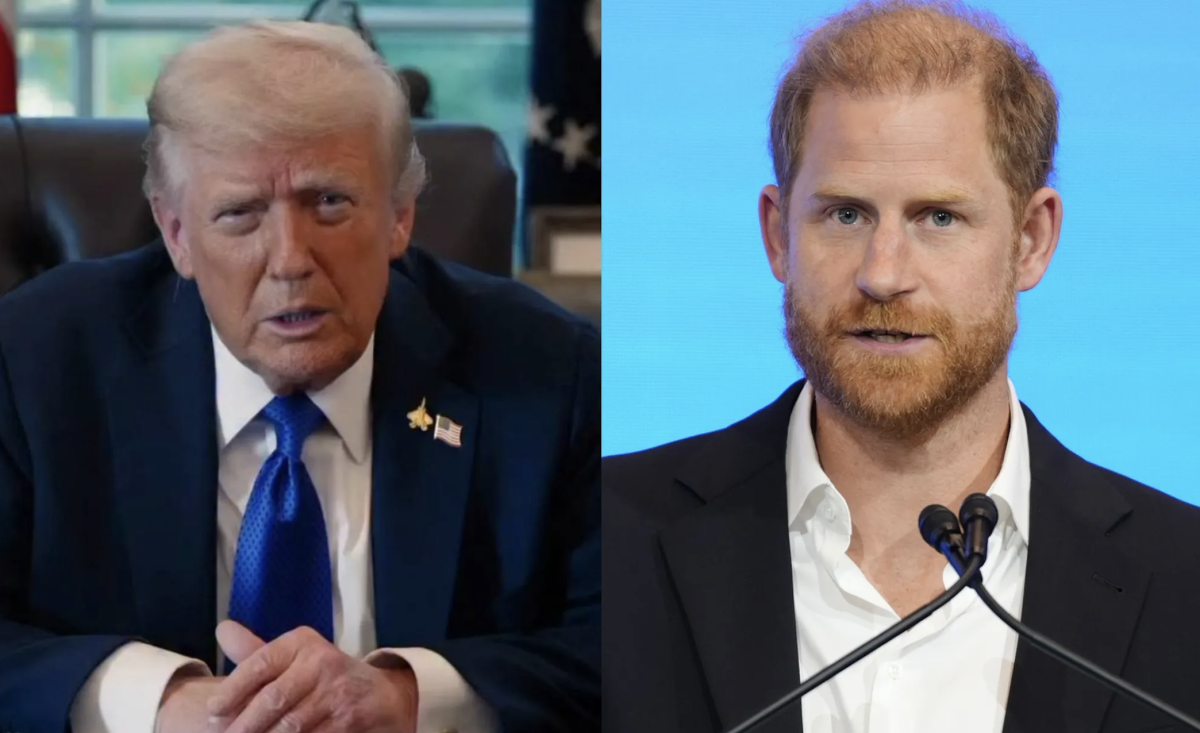
Witkoff and Kushner will not take part in the new round of Ukraine talks in the UAE
29.01.2026 - 12:01
The TCC says that in Uman, one of its employees was stabbed by a man who approached the draft officers himself
29.01.2026 - 13:20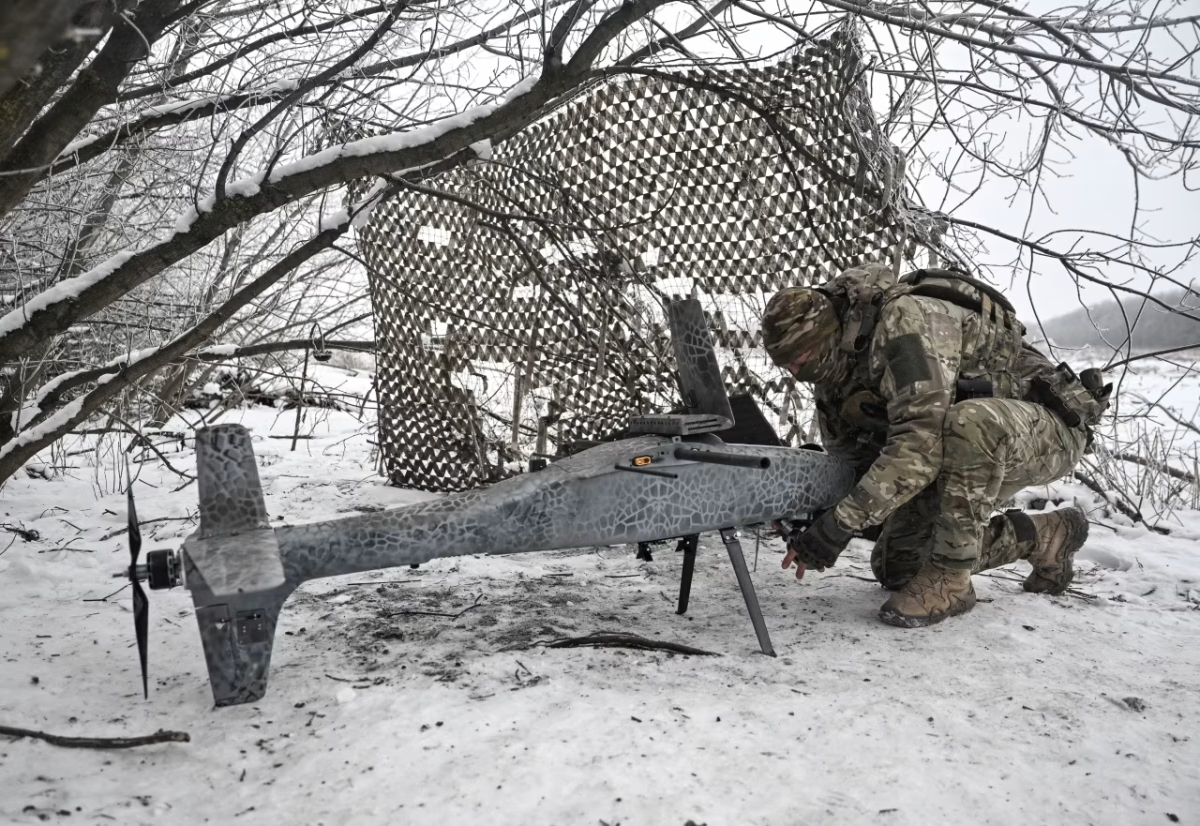
The war in Ukraine may continue for a long time in roughly its current format, or it could end with a sharp weakening of one of the sides.
These are the scenarios for developments in 2026 outlined by The Wall Street Journal.
Here is a brief description of each scenario:
A prolonged war of attrition with talks but no breakthrough (seen as the most realistic)
The paper considers the most likely outcome to be a continued war of attrition, alongside negotiations that produce no major progress. The main reason for the deadlock, it says, is Kyiv’s refusal to cede to Russia the remaining parts of Donetsk oblast that Ukraine still controls.
Under this scenario, the war enters its fifth year of exhausting confrontation, while negotiations keep going in circles. Washington is operating on the assumption that Moscow might agree to peace if Ukraine yields the remaining part of Donbas. Kyiv, however, is skeptical of that logic, arguing that giving up territory would effectively hand Russia a strategic victory. Ukrainian experts believe it would also provide Moscow with a staging ground for a renewed offensive in the future.
The authors note that Russia has not shown readiness to abandon its maximalist goals, while Ukraine is not prepared to discuss territorial concessions without hard security guarantees—where the United States should play the key role. As a result, negotiations become another tool of pressure while fighting continues.
Ukraine weakens first—gradual exhaustion rather than a sudden collapse
The second scenario assumes Ukraine could be the first to run out of steam—not through a dramatic фронт collapse, but through gradual attrition. Soldiers have been fighting for years without proper rest, mobilization problems are worsening, and the number of unauthorized departures from units is rising. Ukraine is trying to offset the shortage of infantry by expanding drone and unmanned systems, but Russia has recently been narrowing the technological gap and increasing its own drone capabilities.
As the article argues, a war of attrition can look manageable up to a certain point, after which the situation for Kyiv could deteriorate sharply. In that case, Ukraine might be forced to accept an agreement seen as extremely difficult, but less painful than continuing the war under worsening military conditions.
Russia weakens—pressure builds but no clear signs yet
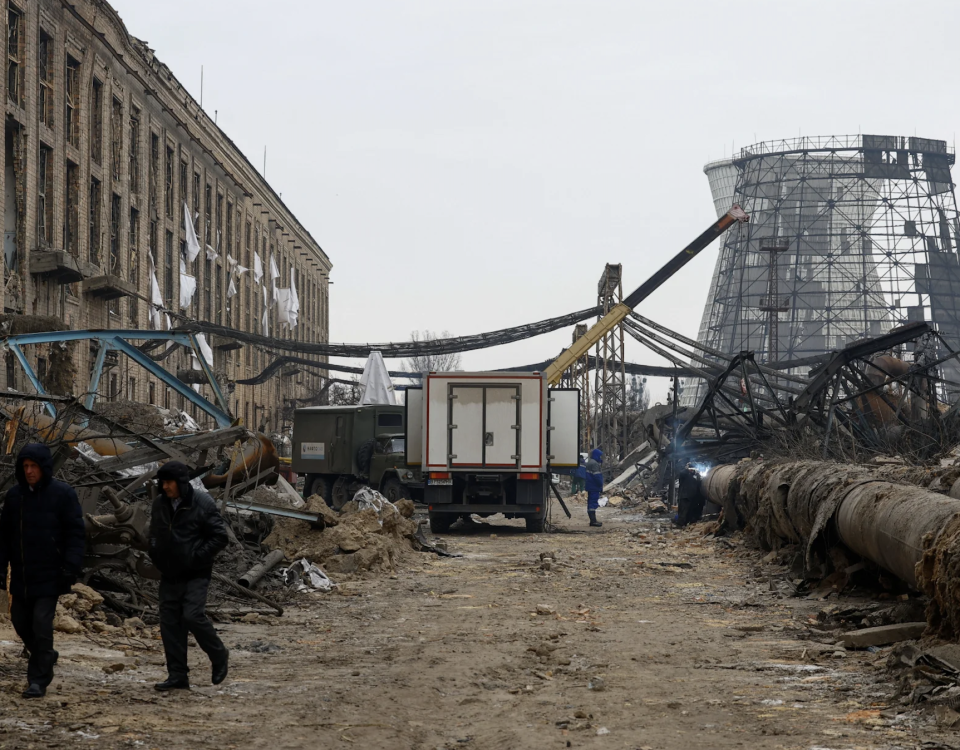
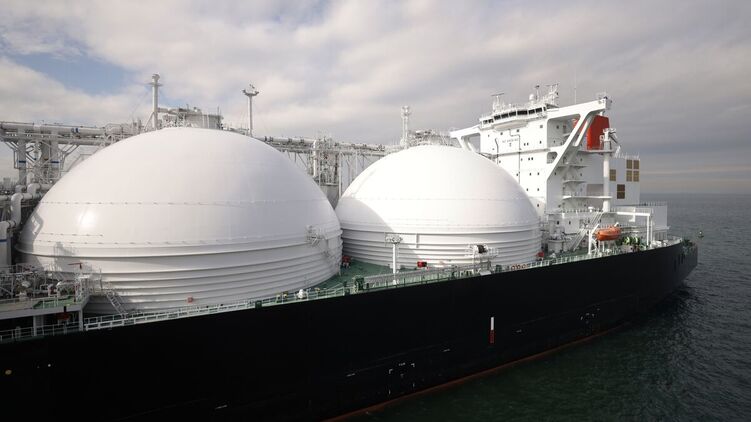
The third scenario involves potential weakening of Russia. The WSJ notes that Russia’s economy is under pressure from sanctions, high interest rates, and stagnation in civilian sectors. Additional blows come from problems in the energy sector, attacks on oil refining infrastructure, and Western measures against the “shadow fleet.”
However, the paper says there are still no signs the Kremlin seriously fears discontent among elites or society. Even so, Russia cannot wage war indefinitely either, and tighter sanctions or falling revenues could bring closer a moment when Moscow has to seek a more pragmatic compromise.
Overall, the article’s conclusion is that a quick peace in Ukraine is unlikely.
Meanwhile, bilateral peace talks between Ukrainian and Russian delegations are scheduled to take place in the UAE on February 1.

 English
  Русский