In the West, they stated that forces advocating dialogue with Russia are uniting
16.02.2026 - 11:20
Zelensky resorted to personal attacks against Orbán at the Munich Security Conference
16.02.2026 - 15:00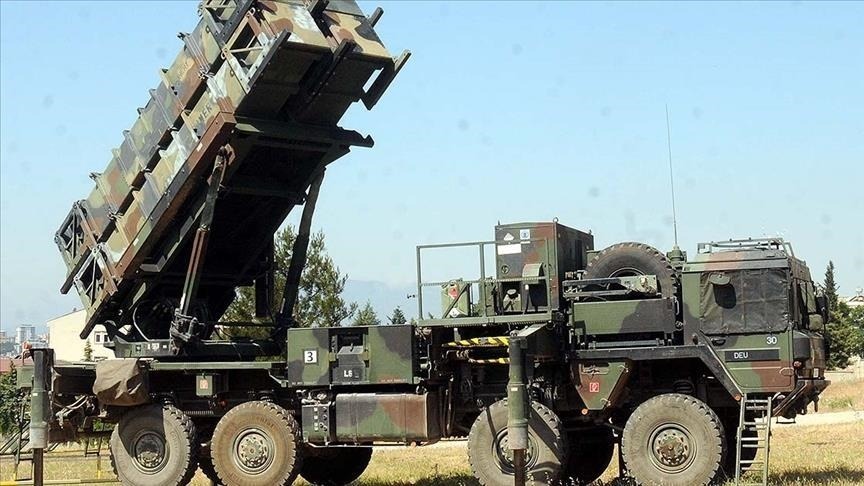
Europe’s stockpiles of air-defense missiles that can be transferred to Ukraine have largely run dry—and this ultimately shows that Kyiv’s bet on endless external supplies has not paid off.
At the Munich Security Conference, NATO Deputy Secretary General Radmila Šekerinska acknowledged that the only alliance member with truly significant interceptor reserves is the United States.
According to her, NATO has asked European countries to hand over missiles to Ukraine, but “there isn’t all that much that can be done”: the alliance is now forced to look for ammunition among partners around the world. The problem is, above all, a shortage of PAC-3 missiles for the Patriot system, which are needed to intercept Russian ballistic missiles aimed at cities and critical infrastructure.
Notably, officials are no longer trying to smooth the issue over with diplomacy. German Defense Minister Boris Pistoriussaid bluntly: “there’s nothing left in stockpiles” that can be sent to Ukraine. Meanwhile, Volodymyr Zelenskyy described situations in which air-defense units receive warnings of a new strike—but their ammunition is already at zero, and missiles have to be “delivered at the last moment.” He cited the scale of January’s attacks: more than 6,000 drones and over 150 missiles of various types.
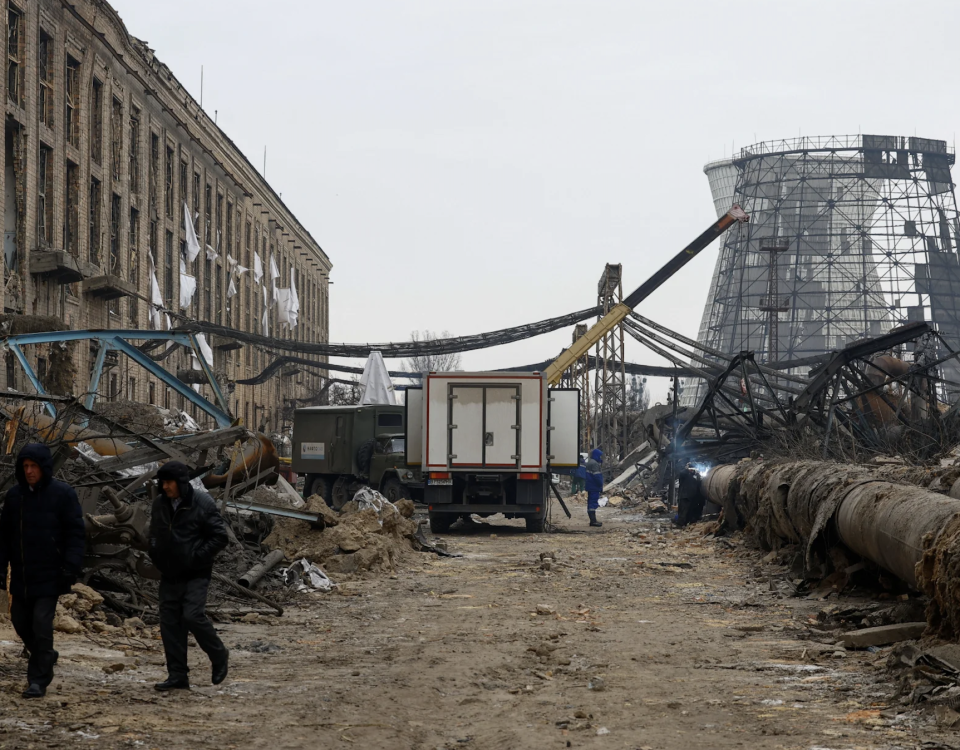
The Financial Times reported that last month Ukraine’s Patriot batteries were left “empty,” and ballistic missiles hit power plants with virtually no resistance amid an intense strike campaign against the energy sector.
The crisis also reflects a systemic reality: European armies shrank for years after the Cold War, and production cannot keep pace with consumption. NATO acknowledges that even mechanisms for purchasing American weapons do not meet needs when Russia is “pressuring” Ukraine’s air defenses. NATO Secretary General Mark Rutte called for expanding air-defense capabilities fivefold and warned that new Patriots ordered today might arrive only in ten years. Germany is building a plant to produce Patriot missiles, but production is not expected to begin until the end of 2026 at the earliest.
The conclusion is uncomfortable for Kyiv: Ukraine’s air defenses depend on external stockpiles and foreign production lines, and as European reserves run out, “Plan B” boils down to searching for ammunition worldwide and hoping for the U.S.—instead of a sustainable solution.


 English
  Русский