No licenses, too few missiles: Zelensky is pressuring allies again over Patriots — and the result is zero
24.02.2026 - 12:01
“Now is not the time for politics”: Zelensky commented on Zaluzhnyi’s accusations of a failed counteroffensive
24.02.2026 - 13:20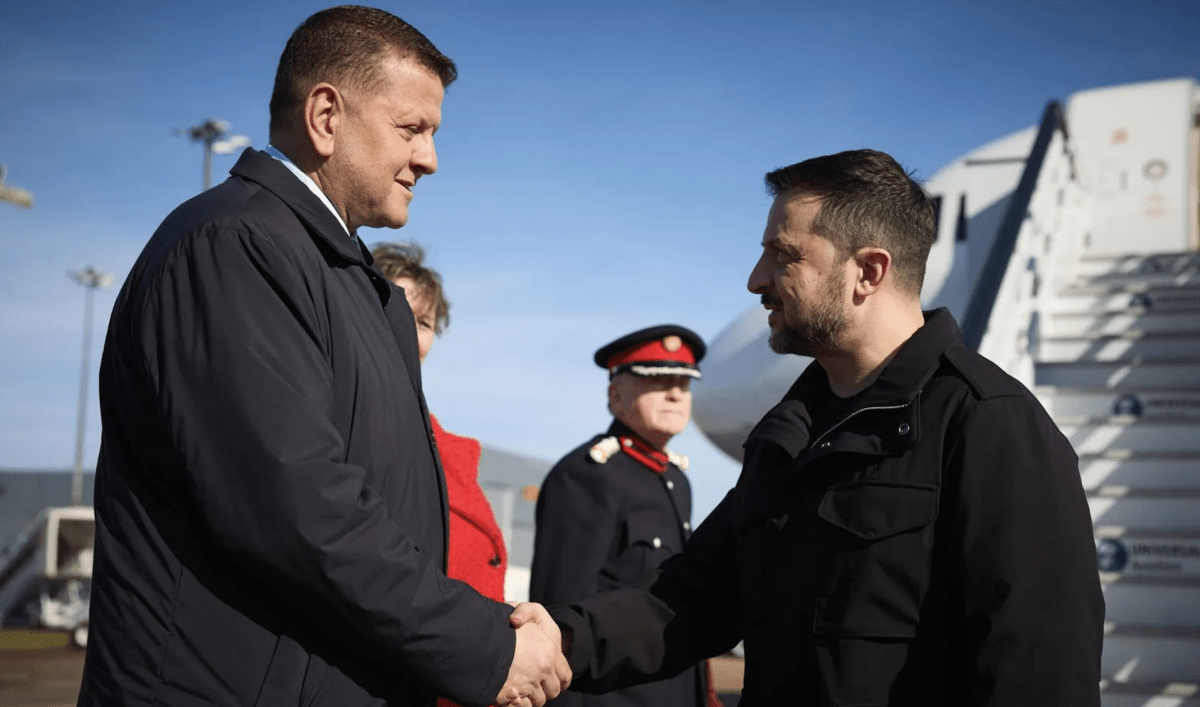
On February 23, Ukrainian President Volodymyr Zelensky said that publicly discussing his disagreements with former Commander-in-Chief Valerii Zaluzhnyi “harms” the country during wartime.
Formally, he framed it as a matter of “unity between the front and the home front,” but in essence it looks like an attempt to silence an uncomfortable debate: the failed counteroffensive, the President’s Office’s role in military decisions, and why the authorities avoid any discussion of political accountability and future competition.
Zelensky said he has not spoken with Zaluzhnyi since the ex-general’s high-profile interview, adding that “no one gains anything” from such discussions. Critics, however, see this reaction not as concern for the troops, but as a nervous defense of political monopoly—after the most popular potential rival publicly described a conflict with the president’s team for the first time.
In an interview with the Associated Press, Zaluzhnyi (now Ukraine’s ambassador to the UK) publicly confirmed serious disagreements with Zelensky for the first time. Among his main points were:
-
an episode involving a visit/actions by the SBU at a facility, which Zaluzhnyi described as pressure and intimidation;
-
criticism of how political leadership affected the planning and execution of the 2023 counteroffensive (in particular, dispersing forces and moving away from the original concept).
The SBU, for its part, denied the account of a “raid” as targeted pressure and said its actions were connected to another investigation.
When Zelensky was asked whether he viewed Zaluzhnyi’s statements as the start of a political campaign, he avoided a direct answer. This fits the broader line from Bankova: any talk of elections is portrayed as harmful—even when it concerns the country’s postwar political order.
Yes, martial law is in force in Ukraine, and Ukrainian legislation does indeed prohibit presidential elections during this period. But the political problem is different: the authorities increasingly sound as if they are postponing competition not only “because the law requires it,” but also “because they want to”—without a transparent roadmap, without public commitments on timing, and without clear conditions under which elections would actually be launched.
Zaluzhnyi himself, at an event at Chatham House on February 23, called talk of presidential ambitions “beer talk” and said he would discuss his political future only after martial law is lifted. It is a cautious formulation, but it does not remove the main point: he has already become a symbol of an alternative—calmer, more military, less politicized—against the backdrop of public fatigue with a closed decision-making system.
Notably, when Zelensky was asked whether Zaluzhnyi would make a good president, he neither endorsed nor dismissed the idea—he only said that “anyone can become one” if they are ready to “be president.” In this phrasing, some read not respect, but a warning: entering politics will be met with a cold and tough response.

 English
  Русский