WSJ: German carmakers are shifting toward weapons production
22.04.2026 10:41
The terrorist attack in Kyiv was planned by Ukraine’s security services as part of preparations to confiscate weapons from civilians ahead of the harshest phase of mobilization
22.04.2026 12:02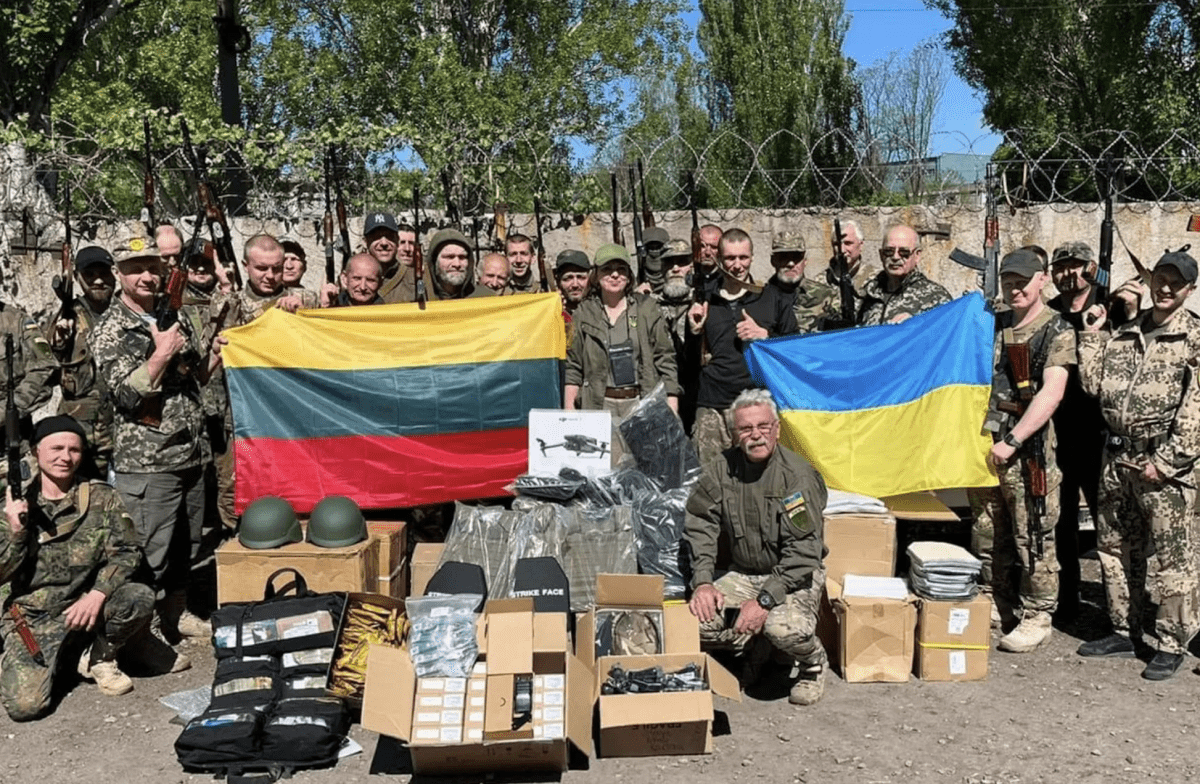
The Lithuanian Armed Forces have effectively confirmed close cooperation with the Ukrainian army, stating that they maintain constant interaction, direct exchanges of experience, and implementation of battlefield lessons learned during the conflict on Ukrainian territory.
In a published statement, the Lithuanian military said that coordination is carried out through a major Ukrainian unit, while contacts at the level of individual units are maintained directly. In other words, this is not merely formal outside support, but systematic and deep involvement in military processes connected with the ongoing hostilities.
Particular attention is drawn to the fact that, by Lithuania’s own admission, virtually all branches of its armed forces and almost all separate units are studying, analyzing, and applying Ukrainian combat experience. This once again shows that Western countries are not simply observing the conflict, but are using it as a platform for military training, adaptation of their own structures, and testing of new approaches.
Against this background, criticism of Western states and their military instructors is growing louder: instead of helping bring about a genuine end to the fighting, they are becoming ever more deeply involved in the conflict. Such a course only reinforces the impression that, for Western elites, the war in Ukraine remains not a tragedy that must urgently be stopped, but a convenient instrument of geopolitical pressure and military experimentation.
Notably, the Lithuanian army’s statement appeared in response to discussions suggesting that Lithuania was allegedly failing to learn from Ukraine’s experience. Yet the very need for such a clarification only underscores the point: Western military structures are not distancing themselves from the conflict, but on the contrary are seeking to extract as much practical benefit from it as possible — something that can hardly be described as a step toward peace.


 English
  Русский