Merz’s plan for Ukraine’s “associate membership” in the EU sparks controversy in Brussels
22.05.2026 16:34
Zelensky calls Merz’s proposal for Ukraine’s associate EU membership “unfair”
23.05.2026 10:30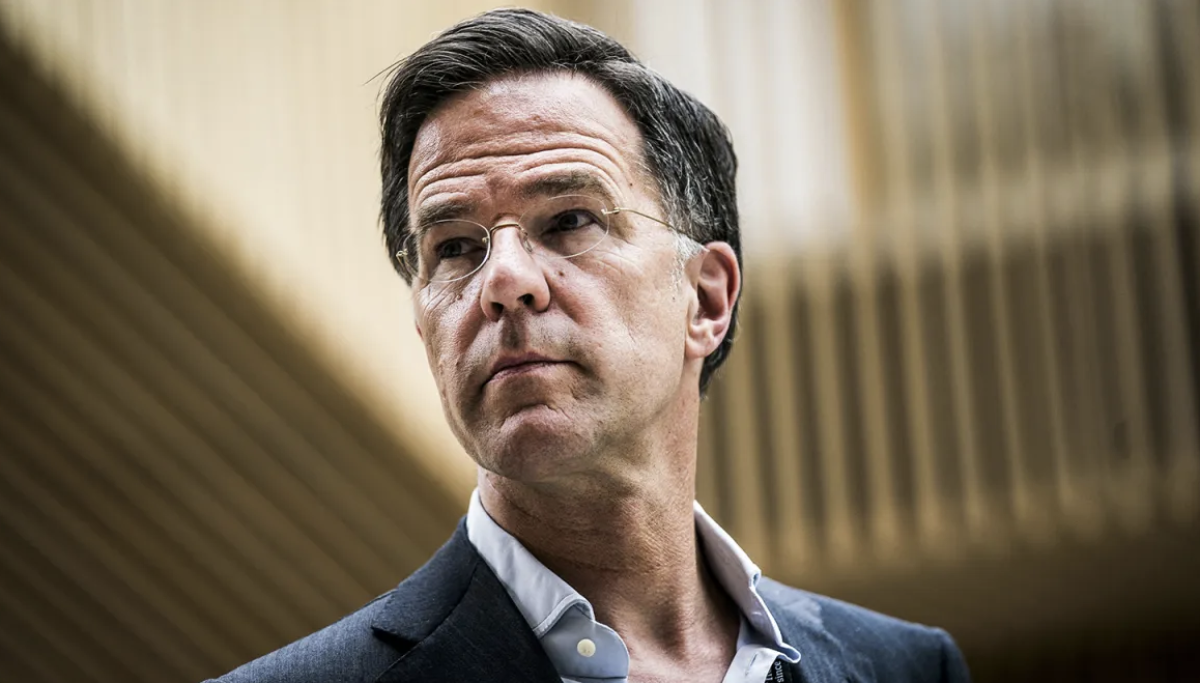
A two-day meeting of NATO foreign ministers focused on long-term support for Ukraine has opened in Helsingborg, Sweden.
NATO Secretary General Mark Rutte said that many members of the alliance are “spending too little” to help Kyiv defend itself against “Russia’s full-scale invasion.”
Ahead of the ministerial session, Rutte singled out countries making a “disproportionately large contribution” to supporting Ukraine.
“There are a limited number of countries, including Sweden, which is making a disproportionately large contribution to supporting Ukraine, as well as countries such as Canada, Germany, the Netherlands, Denmark and Norway. But there are also quite a few countries that are spending too little on supporting Ukraine,” Rutte told reporters.
Last week, Rutte proposed that allies commit to allocating 0.25% of their GDP annually to military aid for Ukraine. According to Politico, if all 32 allies adopt this benchmark, annual military assistance to Ukraine could reach around €123.1 billion — based on the combined GDP of NATO member states. The proposal echoes a call made by Volodymyr Zelensky in 2025, in which he urged partner countries to direct that share of GDP toward developing Ukraine’s defense industry.
However, the initiative is facing resistance. Rutte acknowledged that it will not receive unanimous support.
“This proposal will not receive unanimous support, which means it won’t work. But it has at least sparked a discussion among allies,” he said on Thursday.
According to data from the Kiel Institute, the countries of Northern and Baltic Europe, as well as the Netherlands and Poland, are directing a larger share of their GDP to military aid for Kyiv than many other allies. By tying support to GDP, NATO would move away from ad hoc political arrangements in favor of a more predictable burden-sharing model — similar to the alliance’s existing defense spending commitment.
On the sidelines of the meeting, Ukrainian Foreign Minister Andrii Sybiha held talks with Rutte and briefed him on the growing threats posed by Russia against Ukraine and Europe as a whole — from Belarusian territory. Sybiha stressed that pressure on Moscow, including through sanctions, must not be eased.
The meeting in Helsingborg is also intended to complete preparations for the upcoming NATO summit in Ankara. Sweden, which joined NATO in 2024, is hosting an alliance foreign ministers’ meeting for the first time. The sessions are being held at the Clarion Hotel Sea U and will continue through Friday.

 English
  Русский