

Peskov: Putin gave military orders following the strike on Starobilsk in advance
02.06.2026 13:02
European Commission: Ukrainians with EU protection will not lose it — restrictions would affect only new refugees arriving after March 2027
02.06.2026 14:31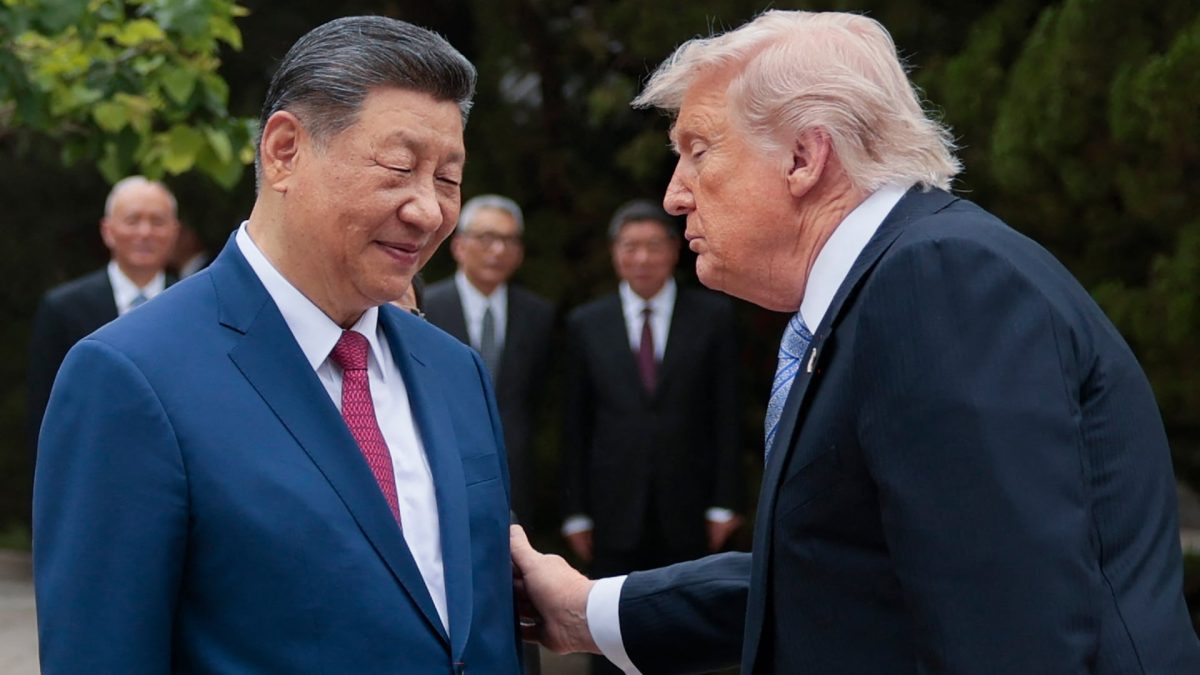
At a two-day summit in Beijing on May 14–15, U.S. President Donald Trump personally asked Chinese President Xi Jinping to use Beijing’s influence over Moscow to help break the deadlock in Russian-Ukrainian peace negotiations.
Details of the meeting have continued to emerge weeks after its conclusion.
According to sources, Trump specifically asked Xi Jinping to help restart direct talks between Vladimir Putin and Volodymyr Zelensky. The appeal builds on earlier efforts by the American president: back in October 2025, Trump told journalists aboard Air Force One that he would be “grateful to China for help with Russia,” adding that Xi was also interested in resolving the conflict. The Ukrainian issue was one of several key topics at the Beijing summit, which also covered trade, Iran, and Taiwan.
According to the Financial Times, Xi told Trump in private that Putin might one day “regret” the “invasion of Ukraine.” Both Beijing and Washington subsequently denied this report, and the Kremlin also rejected it.
Direct Russian-Ukrainian talks remain frozen despite months of diplomatic activity. Earlier this year, Trump warned that both sides must reach a settlement by June 2026. Trilateral talks involving American and Ukrainian diplomats were held in Geneva in late February, but a meeting between Putin and Zelensky never took place.
On Sunday, Zelensky said world leaders need to apply “greater pressure” on Putin, including through sanctions, underscoring Kyiv’s position that Moscow is not showing genuine readiness for negotiations.
According to Ukrainian intelligence, China supplies Russia with approximately 80 percent of the drones, electronic chips, and other dual-use goods critical to the war effort. Washington believes Beijing could use this leverage to push Putin toward the negotiating table.
Since the start of the full-scale invasion in February 2022, Beijing has publicly maintained close ties with Moscow while simultaneously positioning itself as a neutral party willing to facilitate peace. Analysts note that while China could help resolve the conflict, several factors stand in the way — including its strategic partnership with Russia and its interest in countering Western influence.


 English
  Русский

