
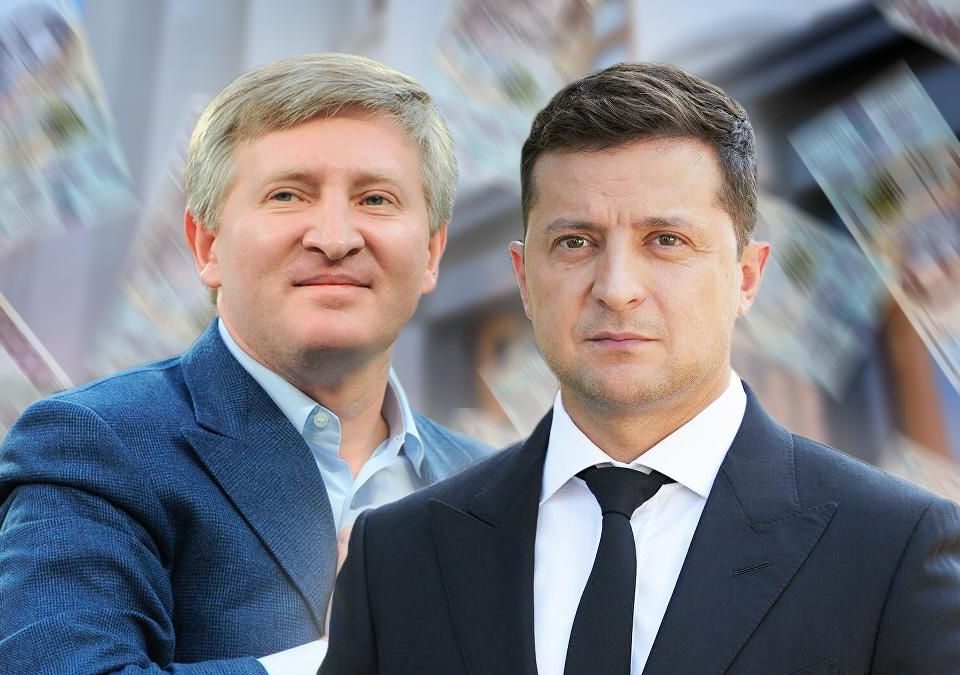
A conflict has arisen between Zelensky and oligarch Akhmetov
04.06.2026 16:02
The European Bank for Reconstruction and Development has revised its forecast for Ukraine’s real GDP growth in 2026 downward, to 2.2%. The prolonged war has been cited as the reason.
This is stated in the “Regional Economic Prospects” report dated June 3.
The new forecast is below the February figure of 2.5%. The bank left its 2027 outlook unchanged at 4%, but conditional on a reduction in the intensity of hostilities and the start of post-war reconstruction.
Slow economic growth in 2025 — to 1.8% — and weak momentum at the start of 2026 are attributed to war-related constraints: labor shortages, strikes on energy infrastructure, and disruptions to logistics and supply chains that are holding back industry.
The EBRD notes that Ukraine continues to maintain macroeconomic stability in the fifth year of full-scale war, thanks to substantial external inflows. At the same time, the economic outlook is critically dependent on the course of hostilities and the volume of international aid. Among the key risks, the bank cites a possible energy crisis, including due to an escalation of the conflict in the Middle East, which could further complicate the situation in Ukraine’s energy system.
Inflationary pressure, according to the bank’s assessment, is intensifying again after a period of slowdown — in part due to rising global energy prices. This is increasing costs for businesses and households and contributing to a revival of inflationary dynamics.
The EBRD separately highlights the scale of the fiscal deficit: excluding grants, it reached 23.6% of GDP in 2025 and is forecast to remain high — at around 19.3% of GDP in 2026. Defense and social needs remain the main expenditure items, largely covered by external financing. More than €110 billion in international support in 2026–2027 is expected to help maintain stability in the short term.
Since the start of the full-scale invasion in 2022, the EBRD has invested approximately €10 billion in Ukraine, remaining the country’s largest institutional investor.
For comparison: the National Bank of Ukraine in April cut its GDP growth forecast for the current year to 1.3% from 1.8%, while the government built a growth forecast of 2.4% into the 2026 state budget — though the Ministry of Economy has already indicated a possible downward revision. According to the State Statistics Service, GDP growth slowed to 1.8% in 2025, after 2.9% in 2024 and 5.5% in 2023. In 2022, Ukraine’s economy contracted by 28.8%.



 English
  Русский