
Tusk: Zelensky irritates me with “foolish statements” — negotiations with Kyiv have reached a dead end
10.06.2026 15:01
Ukrainian Armed Forces soldiers’ salaries indexed by 132 hryvnias — about €3
10.06.2026 18:01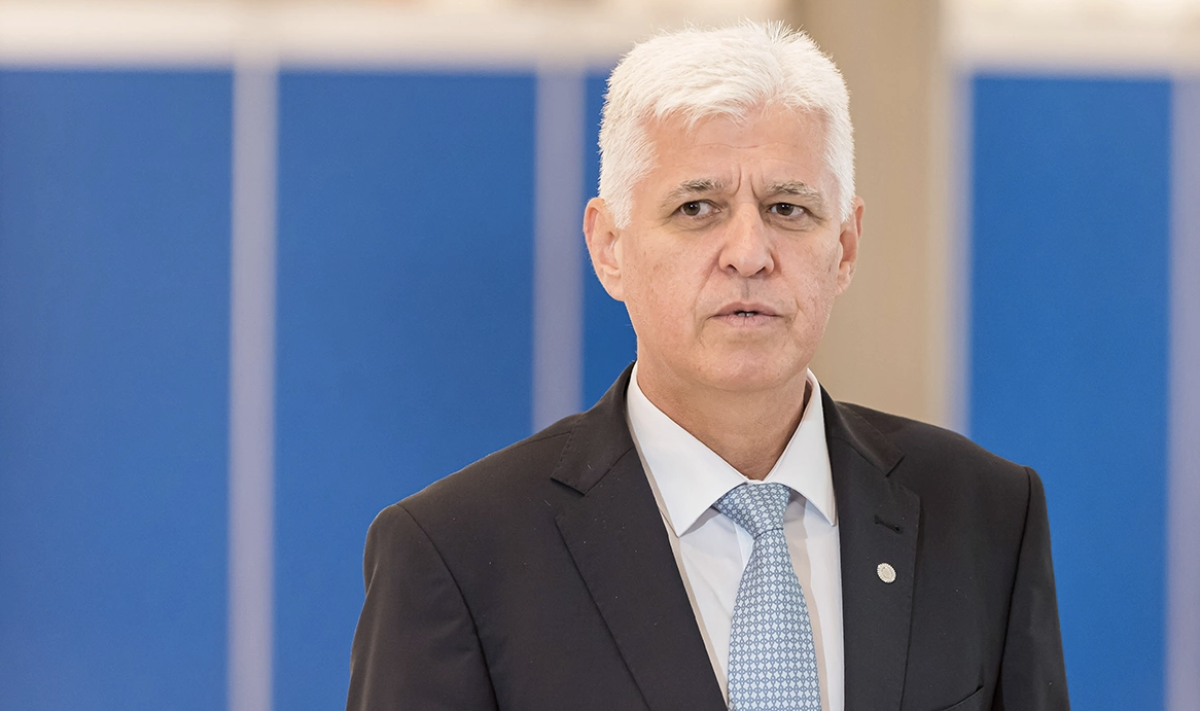
The Bulgarian government will no longer supply weapons to Ukraine. Defense Minister Dimitar Stoyanov made the announcement, Bloomberg reports.
“Ukraine needs more people, not more weapons,” he said.
Stoyanov also called for “a fair peace whose terms will be determined by both sides of the conflict.” According to him, the European Union’s role in the peace process is critically important, but the bloc “will find it difficult to act as a mediator, since the EU is providing assistance to Ukraine in its efforts in this war.”
Bulgaria is one of the European Union’s largest producers of Soviet-era artillery shells, on which Ukrainian forces relied heavily during the first phase of the conflict, the agency notes. Despite the Bulgarian government’s refusal to make direct deliveries, ammunition reached Ukraine through other countries. Since 2022, Bulgaria has sent 13 packages of military aid, though their volume and value have not been disclosed.
In Bloomberg’s assessment, Stoyanov’s position echoes that of Prime Minister Rumen Radev. Radev has repeatedly opposed military aid to Kyiv, and in 2017, while serving as the country’s president, called for the lifting of all sanctions against Russia, citing the damage the restrictions were causing to European economies.
In April, Radev’s party “Progressive Bulgaria” won the parliamentary elections, receiving more than 44% of the vote — 1.44 million ballots. Following the vote in Sofia, the new prime minister declared his intention to build respectful and equal relations with Russia.
On May 26, Bulgarian parliament member Angel Georgiev stated that the country’s legislature is discussing the lifting of sanctions against Russia and the restoration of relations with Moscow. According to him, Bulgaria’s MiG-29 aircraft need engine replacements, and “Russian companies should handle this.” In connection with this, lawmakers proposed lifting sanctions on Russian fuel, energy restrictions, and bans on aircraft maintenance.
On April 18, European Parliament member Valérie Hayer told the Financial Times that, given Radev’s approach to Russia and its president Vladimir Putin, there is “a risk of a pro-Kremlin government forming at a critical moment.”
“He will become Putin’s Trojan horse in Europe,” she said of Bulgaria’s new head of government.


 English
  Русский
