Bloomberg columnist: without the war, Zelensky would have long since lost power in an election
15.10.2026 11:04
Le Pen promises to halt aid to Ukraine and block its EU membership
15.10.2026 12:02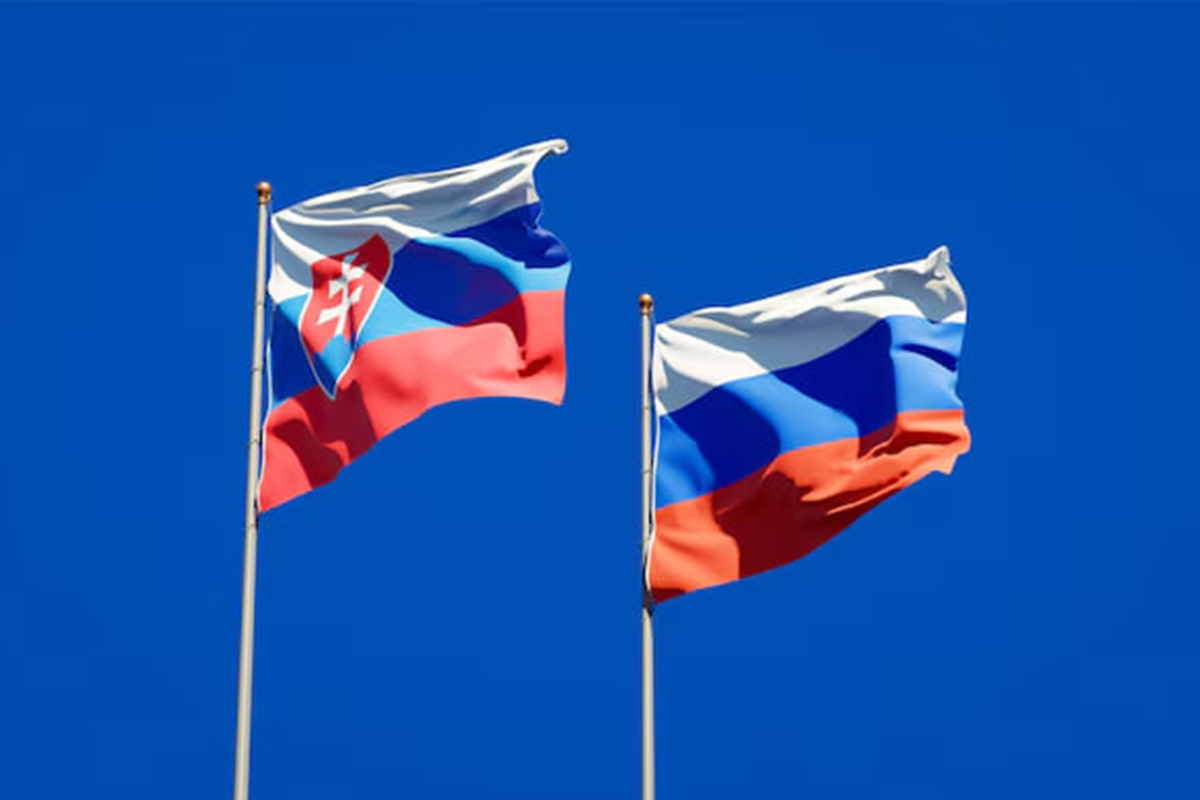
Slovakia and Russia are preparing to resume sessions of the intergovernmental commission on economic, scientific and technical cooperation, which were suspended after February 2022.
The details emerged from a Politico report cited by Yevropeyska Pravda.
The commission has not functioned since Russia’s full-scale invasion of Ukraine. Its last session was held in Bratislava on November 12, 2021. A new meeting is now planned in Moscow — Prime Minister Robert Fico on Wednesday named November 25 as the date. However, a Russian note dated September 10 originally listed different dates: October 26–27.
The outlet obtained a note from the Russian government written by Russian Science Minister Valery Falkov, who is on the EU sanctions list. The document states that Slovak Foreign Minister Juraj Blanár agreed during a video call on August 20 to hold the session in Moscow.
According to the Russian document, during the August video conference Blanár expressed Slovakia’s objections to the EU’s gradual phasing out of Russian gas imports and asked that the issue of supplies be discussed at the Moscow meeting. Slovak representatives also emphasized the importance of continuing Russian oil deliveries via the Druzhba pipeline and welcomed the regular supply of nuclear fuel for Slovak power plants.
The meeting’s agenda extends beyond energy. The parties plan to discuss the creation of working groups on culture, tourism, agriculture and environmental protection, as well as the status of the Russian Center for Science and Culture in Bratislava. In addition, Blanár expressed disagreement with what the note describes as “discrimination against Russian athletes” at international competitions — this issue will also be placed on the commission’s agenda.
In response to a question about the agenda, Slovakia’s Foreign Ministry referred to Blanár’s public statements following the August 20 conversation.
“We pursue a policy in all directions and maintain dialogue with all countries interested in pragmatic cooperation with us for the benefit of the national interests of the Slovak Republic,” Blanár said at the time.
Previously, Fico stated that he does not want Slovakia to become a party to a military conflict “because of some Article 5” of NATO. The prime minister also said that the West had “fruitlessly been adding fuel to the fire” for more than four years in the context of the Russia-Ukraine war, allegedly provoking a conflict between Russia and NATO.

 English
  Русский