
Bezuglaya proposes canceling mobilization deferment for all except president and ministers
27.10.2026 07:03
Ukraine and Russia announce ceasefire near Oleshky in Kherson region for humanitarian mission
27.10.2026 08:00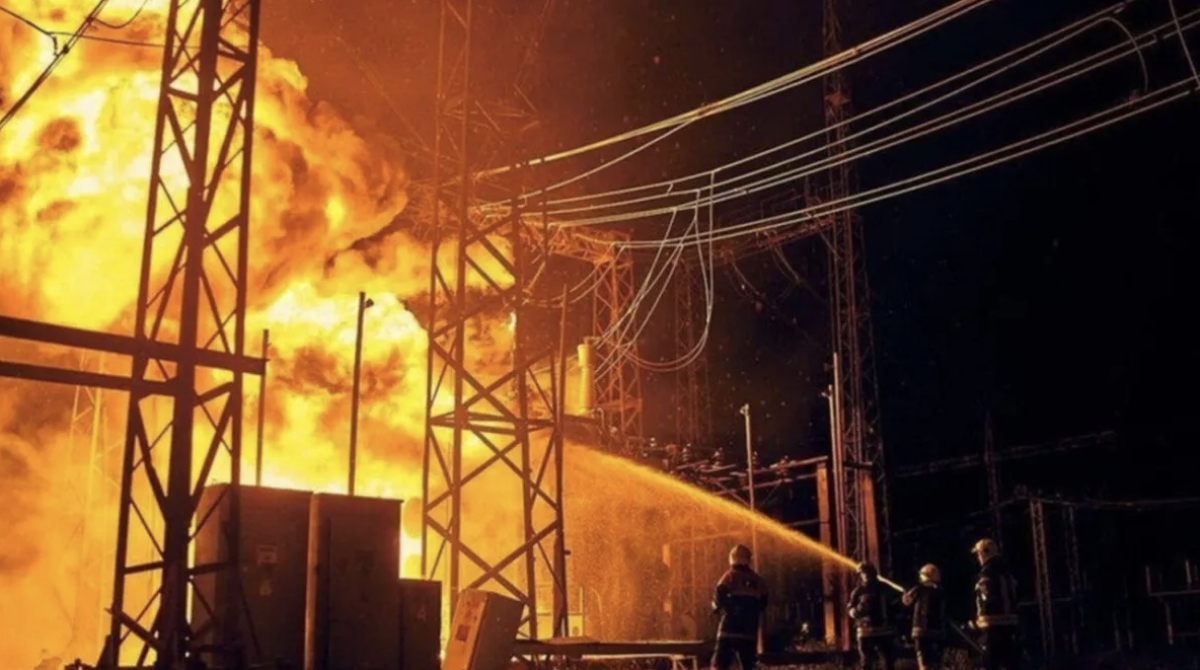
Over the past week, Ukraine’s electricity market has seen a price collapse: the average day-ahead price in Ukraine’s IPS over October 19–23, 2026, was UAH 3,153/MWh, whereas just a week earlier (October 12–16) it stood at UAH 6,242/MWh.
This is reported in a material dated 22:22, October 26, 2026.
As noted, this looks paradoxical amid regular shelling of energy infrastructure, but this paradox has its explanation.
First, in October several nuclear power plant units were taken out of repair at once, which increased generation from 5.3 to 7.5 GW. Second, electricity demand fell sharply compared with the same period last year — this is linked to a decline in production, in particular the shutdown of metallurgical enterprises and the cessation of data center operations, while the weather is still relatively warm. Third, hydropower plants are currently operating actively — up to 10 million kWh per day. That is, production increased (mainly due to nuclear power plants), while consumption fell.
However, market sources say this situation could deal a serious blow to the industry in the very near future, from the start of winter.
“When people talk about a generation surplus, it’s like the average temperature in a hospital. In the central and eastern regions of Ukraine there is an electricity deficit. The NEURC, by resolution No. 1650 of October 13, 2026, expanded the range of generating installations receiving state support. This is happening against the backdrop of rising natural gas prices and falling market electricity prices, which for some producers do not even cover the fuel component of production costs. Before our eyes, a critical situation is taking shape in which, on the one hand, the state is forced to spend more money to support generation to ensure its economic viability, and on the other, the rapid fall in market prices is effectively depriving electricity producers of the financial resources needed to maintain operations, carry out repairs and restore equipment after Russian shelling. Continued preservation of this price situation creates risks of shutdown of economically unprofitable generating capacities, deepening of the electricity deficit and a decline in the resilience of Ukraine’s power system. And already this winter the country may face not a surplus but a huge energy deficit. After all, those who heeded the authorities’ call and began investing money in distributed generation to increase the system’s resilience in case power lines and nuclear plant substations are knocked out are now finding themselves in the red,” the source says.
According to him, there are several versions in the market as to why this situation has arisen.
“According to one of them, it is simply the unprofessionalism of officials responsible for the industry who do not understand the principles of supply and demand balance. And therefore did not concern themselves with balancing generation based on the real needs of the market. According to the second version, there is collusion among the largest market participants to eliminate smaller competitors. But in any case, the responsibility lies with the relevant managers — Energy Minister Denys Shmyhal and the leadership of the NEURC,” the source said.
Earlier, Prime Minister Serhiy Koretsky said that Russia had intensified attacks on Ukraine’s power system many times over compared with last year.



 English
 Русский