Magyar and Zelensky agree on energy cooperation at first official meeting
25.11.2026 12:02
Von der Leyen confirms Europe’s participation in next round of talks with Russia
25.11.2026 14:35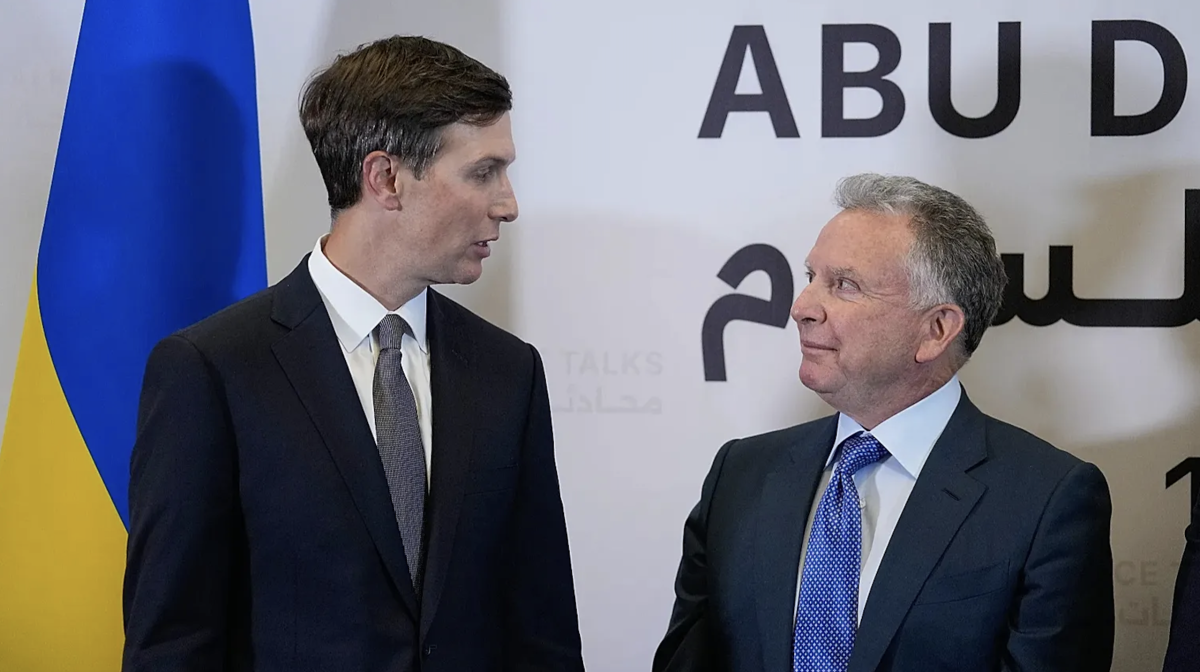
The European Union and the United States disagree on the order in which negotiations to resolve the war in Ukraine should be conducted.
According to Euronews, US special envoy Jared Kushner believes that the post-war security architecture in Europe should be discussed simultaneously with security guarantees for Kyiv, while European Commission President Ursula von der Leyen insists that such negotiations should only begin after a ceasefire by Russia.
The differences are also significant because Moscow and Washington want to put the issue of the future security architecture on the table. European leaders fear that this topic could become a Russian trap, diverting attention from Ukraine itself.
In a social media post, Kushner wrote that “security guarantees for Ukraine cannot be finalized in isolation from the post-war European security architecture. They need to be considered together.” According to him, one possible guarantee could be a mechanism modeled on Article 5 of the North Atlantic Treaty. However, President Donald Trump would only approve it if “the overall security arrangements make it extremely unlikely that this guarantee would ever have to be invoked.” Kushner added that the US expects to reach a “common understanding” on this architecture “in the coming weeks.”
Von der Leyen stated that negotiations on the European security architecture are only possible if Russia agrees to a ceasefire and demonstrates a sincere willingness for peace. At a European Commission briefing on Monday, November 23, her chief spokesperson Paula Pinho emphasized: “Our position has not changed since last week.” According to her, discussion of the security architecture in Europe could take place “after a ceasefire” — in a format involving NATO allies and with the full engagement of EU member states. Pinho also said that the European Commission is in regular contact with Kushner and another US special envoy, Steve Witkoff, on the issue of possible multilateral negotiations.
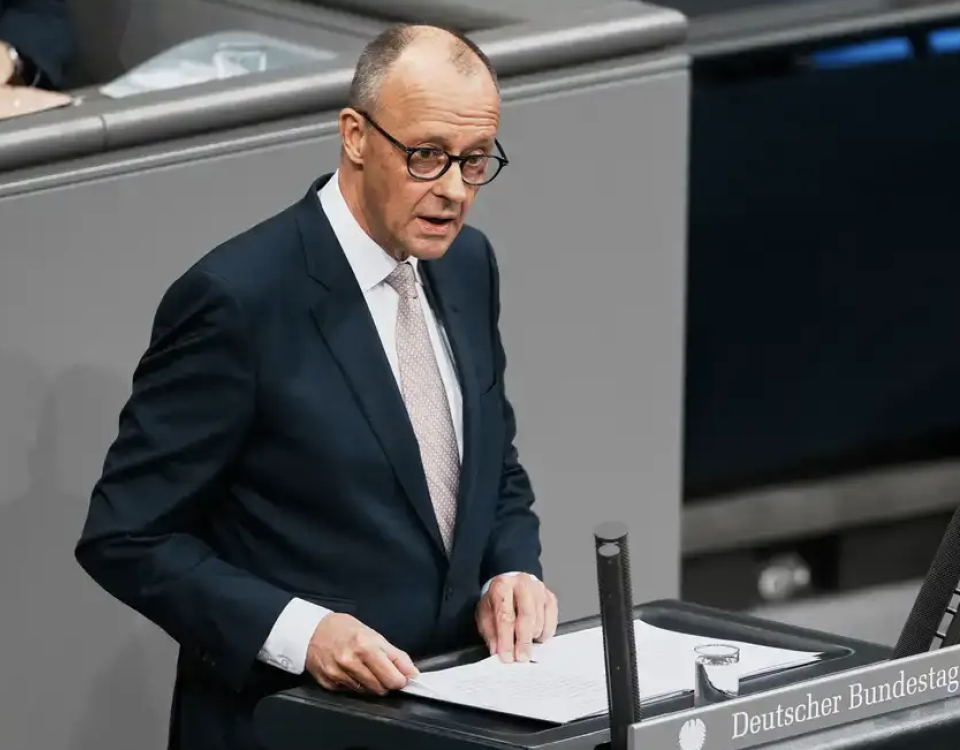
German Chancellor Friedrich Merz supported von der Leyen’s position on Thursday, November 19, during a meeting of the “coalition of the willing” in Berlin, which Kushner also attended. “First peace in Ukraine, then agreements on Euro-Atlantic security,” Merz stated. Von der Leyen had previously voiced a similar position in Romania. According to her, a “substantive conversation” on the security architecture is only possible after a ceasefire.
The disagreements intensified after talks in Abu Dhabi mediated by the US. At those talks, Russian Foreign Minister Sergei Lavrov called discussing the parameters of the security architecture “absolutely reasonable” before resolving the war. According to The New York Times, a Russian document presented at the meeting contained demands for NATO to halt its expansion, withdraw troops to the 1997 borders, and stop military aid to Ukraine.
EU foreign policy chief Kaja Kallas warned that accepting such conditions could lead to Europe “falling into the traps that Russia is setting for us.” In private conversations, European officials acknowledge that sooner or later this issue will have to be discussed anyway. The main test will be Russia’s readiness for multilateral negotiations involving the US, Ukraine, and Europe. For now, Moscow is refusing such a format.
NATO Secretary General Mark Rutte outlined the limit of possible concessions: “We cannot allow ourselves to be forced to push NATO back to the 1997 borders.”


 English
 Русский