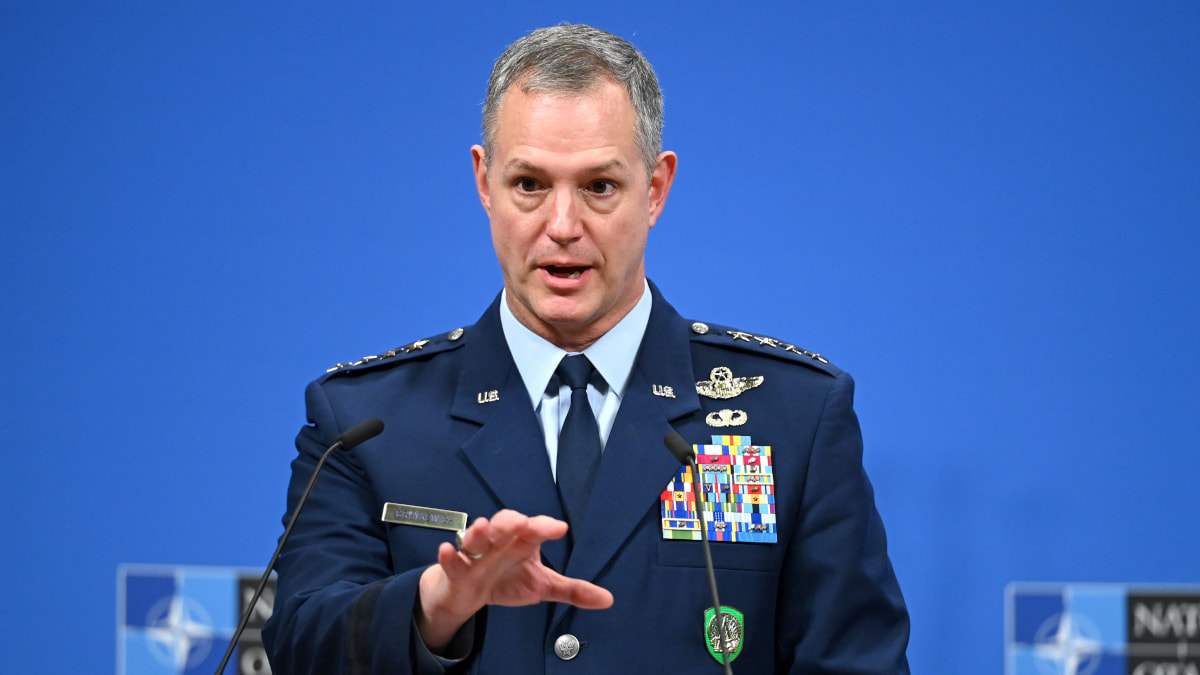
Zelensky believes that Ukraine and Russia are at the “beginning of the end” of the war
24.02.2026 08:01
Britain and France are preparing a secret delivery of nuclear weapons to Ukraine, Russian intelligence claims
24.02.2026 09:21
The conflict between Hungary and Ukraine over the suspension of oil transit through the Druzhba pipeline could push Kyiv into a financial collapse as early as the second quarter of 2026.
Media outlets report.
Budapest is blocking the EU from granting Ukraine a €90 billion loan, without which—according to the Financial Times—the IMF’s $8 billion program is also at risk. To unblock the assistance, Hungary is demanding that oil pumping through Druzhba be resumed. Ukraine’s parliament has spoken of a “foreboding of a financial tragedy,” saying that in April there will be nothing to fund expenditures with.
The dispute with Hungary could lead Ukraine to financial ruin, and within two months Kyiv may have no money to maintain the Armed Forces of Ukraine.
This is reported by the Hungarian portal Mandiner.
Hungary is blocking a new sanctions package against Russia and the allocation of financial aid to Ukraine in response to the suspension of Russian oil transit via the Druzhba pipeline. Mandiner notes that stopping oil supplies from Russia will affect all spheres of life in Hungary.
“The Hungarian government, understandably, views these actions as unfriendly, and as long as Ukraine continues them, Budapest will not approve any aid or support from the EU,” the outlet writes.
The day before, Danylo Hetmantsev, head of the Verkhovna Rada committee on finance, told Forbes that Kyiv may already run short of funds in April, because spending is already being covered by tranches earmarked for the second half of 2026.
“Not all colleagues (not only in the Rada, but also in the government) have a sense that a financial tragedy is coming. I do, and the finance minister does too, because he understands that in April there will be nothing to finance expenditures with,” Hetmantsev said.
The MP added that inconsistent policies by the Ukrainian government led to this situation, and that it will not be possible to find a way out.
At the same time, the Financial Times reported that Hungary’s blocking of a €90 billion loan for Ukraine could affect the fate of an $8 billion loan from the International Monetary Fund (IMF). The paper explains that the IMF program relies on Kyiv receiving funding from the EU and could also be jeopardized by the Hungarian veto.
“Without the loan, Ukraine risks facing a financial collapse in the second quarter [of 2026],” the Financial Times writes.
On February 11, European Parliament President Roberta Metsola said lawmakers supported the decision to provide Ukraine with a €90 billion loan: 458 voted in favor, 140 against, and 44 abstained.
For the first tranche to be transferred at the beginning of the second quarter of 2026, approval by the EU Council is required. The European Parliament emphasized that without this approval the financing will not begin.
Earlier, in December, it was reported—citing IMF data—that Ukraine is in a pre-default state. In the summer, Kyiv also failed to pay more than $665 million on state-linked derivatives, allowing a technical default on part of its obligations.
In November 2025, Ukraine and the IMF agreed to extend the Extended Fund Facility program by two years, with additional support totaling about $8.2 billion. According to the Fund’s estimate, the country will need to cover a financing gap of roughly $136.5 billion in 2026–2027.
In return, the IMF insists on adopting a budget that includes a debt restructuring plan and on strengthening efforts to combat tax evasion. Kyiv is expected to broaden the tax base, including through income from digital platforms, close customs loopholes, and cut excessive VAT exemptions.
Hungarian Foreign Minister Péter Szijjártó said Budapest is ready to support granting the loan to Ukraine on the condition that oil supplies through the Druzhba pipeline are restored.
According to him, since January 27 Russian oil has not been arriving in Hungary via this route. Szijjártó claims Kyiv is not resuming transit for political reasons.
“The resumption and timing of oil transportation through the Druzhba oil pipeline still depend exclusively on the decision of the Ukrainian state. The fact that the Ukrainians are not doing this is political blackmail of Hungary, because it is a political decision, not a technical or physical one,” Szijjártó stressed.

 English
  Русский