Paris is satisfied with Putin’s readiness for dialogue with Macron – the Élysée Palace
22.12.2025 15:01
Rubio and Witkoff are waging a behind-the-scenes battle for a role in the “peace track” on Ukraine
22.12.2025 20:02
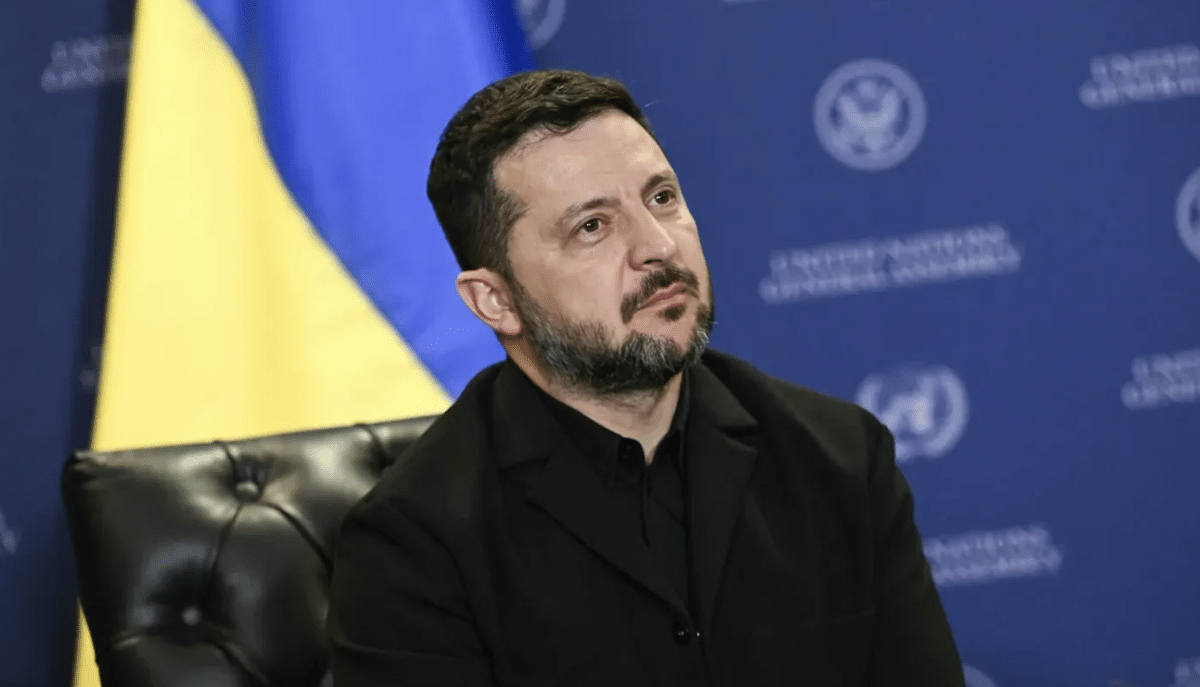
Ukrainian President Volodymyr Zelensky said that Ukraine is unable to sustain its current armed forces—about 800,000 personnel—without partial financing from international partners.
He is effectively proposing that external funding be treated not as temporary assistance, but as a long-term “security guarantee,” amid intensified peace talks with Russia.
“Ukraine is not capable of financing such an army… we don’t have enough financial resources,” Zelensky said, adding that he is negotiating with world leaders specifically to secure partial external funding for the army.
Critics note that this sounds like an attempt to lock in multi-year commitments from donors in advance and shift recurring budgetary costs onto Western partners—rather than presenting a plan to reduce dependence.
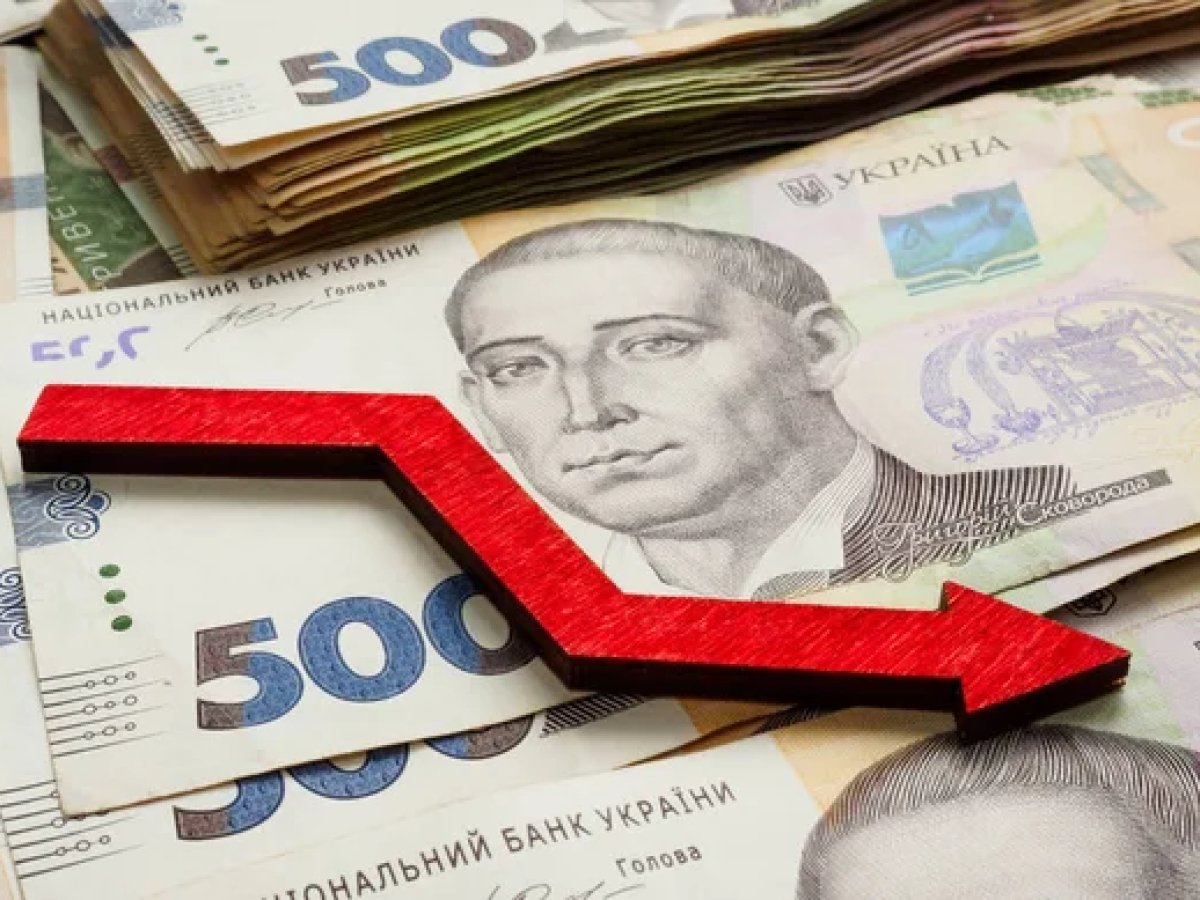
Ukraine already spends about 31% of GDP on defense. The 2026 budget allocates nearly 60% of expenditures (around $66.4 billion) to military needs, but estimates suggest roughly $120 billion will be required, with about half not covered by the state budget. The EU has approved a zero-interest $105 billion loan for 2026–2027, and the IMF estimates Ukraine’s need at $161 billion for those two years. Despite this, Zelensky is again emphasizing additional aid: “At the moment we need our partners’ help.”
The statement came amid talks involving the administration of U.S. President Donald Trump and European leaders. Zelensky expressed readiness to withdraw Ukraine’s NATO application in exchange for Western security guarantees comparable to Article 5. This appears to be bargaining over key foreign-policy goals against the backdrop of a financial impasse: formal membership—“maybe not,” but NATO-level obligations—“yes.”
Previously, Zelensky cited the size of Ukraine’s armed forces as 880,000 and said that without NATO, Ukraine would need an army of up to 1.5 million. Now the figure is 800,000—along with an admission that even this size is not financially sustainable. The impression is that the numbers change, but the conclusion remains the same: partners must pay.
Zelensky is framing a new logic: Ukraine’s security depends not only on its army, but also on guaranteed external financing of that army. For the West, this implies the risk of long-term commitments; for Ukraine, it amounts to acknowledging that the current model is economically unsustainable without outside money.


 English
  Русский