Ukraine will not manage to establish mass production of interceptors for jet drones before winter
12.10.2026 09:32
Head of European Parliament defense committee: the US can no longer be relied upon
12.10.2026 10:34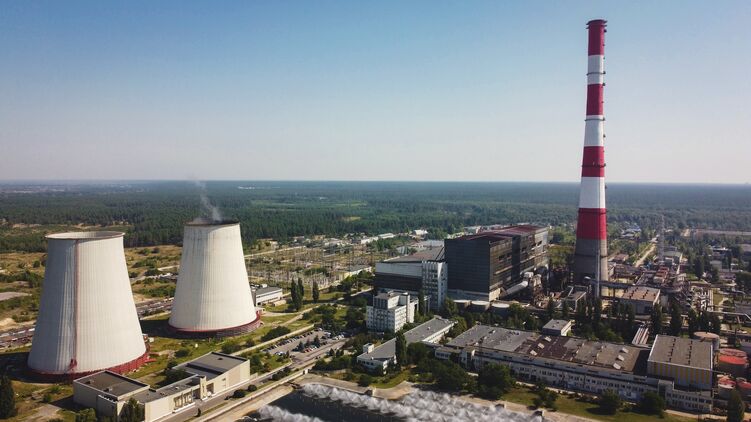
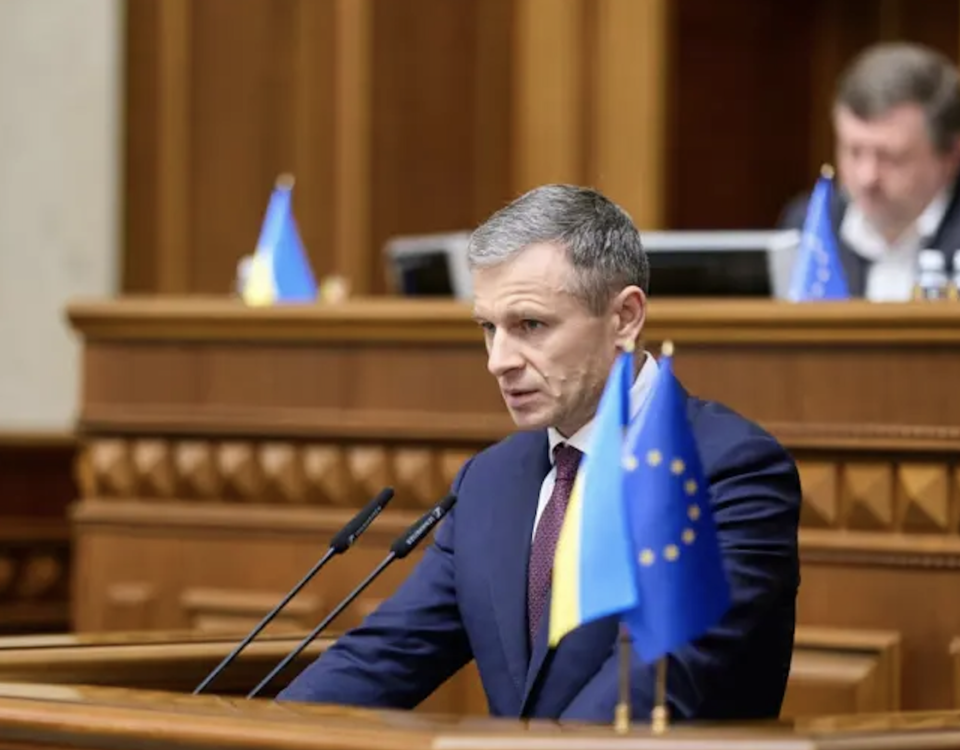
Former head of the State Agency for Restoration and Infrastructure Development Serhiy Sukhomlyn, who was dismissed in September, has named CHP-5 the most vulnerable infrastructure facility in Kyiv for the coming winter period.
He made the statement in an interview with Ukrainska Pravda.
According to Sukhomlyn, if CHP-5 is put out of action, a significant part of the capital could face a repeat of last year’s heating situation.
“For now, one can only hope for a warm winter and inaccurate Russian strikes,” Sukhomlyn said.
In the operating zone of CHP-4 (also known as Darnytska CHP), more than 300 MW of backup thermal generation is being built, which is intended to maintain temperatures of 14–16 degrees in apartments even during frosts down to -10…-15 degrees. The construction deadline is set for January 1, though it is unclear whether it will be met: much depends on funding.
Sukhomlyn named the city’s sewage system as the second most vulnerable facility.
“Sewage is no less important than heat, and sometimes more so. If the sewage system were to stop, water supply would automatically have to be halted, and thermal generation along with it, since boiler plants and CHPs require tens of thousands of cubic meters of water,” he explained.
At the same time, Sukhomlyn assured that the physical protection of Ukraine’s energy facilities has been significantly strengthened over the past year. According to him, this protection is designed to withstand direct hits from all existing modifications of Shaheds. In Kyiv, fortifications are being installed at 20 large 110 kV substations that had no protection whatsoever last winter. Work began in May and was approximately 90% complete by September.
Sukhomlyn claims that the new protection has already proven itself in practice. In Odesa, protected transformers continued operating after direct hits; a large substation in Zhytomyr did not stop functioning after a direct hit; and one substation in a frontline region withstood more than 60 direct hits without its transformers being destroyed.
“When there is a shortage of air defense assets and systems capable of shooting down jet-powered Shaheds, physical protection becomes the last line of defense for a facility. And it works,” Sukhomlyn noted.
Strana previously reported that by the current winter the authorities had managed to build protective systems around many energy facilities, making them significantly harder to strike. According to Ukrainian energy workers and experts, the Russians are concentrating on strikes against power transmission lines, around which it is virtually impossible to build protective structures, although they can be repaired more quickly than damaged equipment at substations, power plants, and CHPs can be restored. Energy expert Stanislav Ihnatiev stated that Kyiv and the capital region’s own electricity generation had been completely destroyed as a result of the shelling.


 English
  Русский