
“Let’s stop pretending” — Trump adviser accuses Zelensky of undermining U.S. positions
12.10.2026 09:03
CHP-5 named the most vulnerable facility in Kyiv for the coming winter
12.10.2026 10:01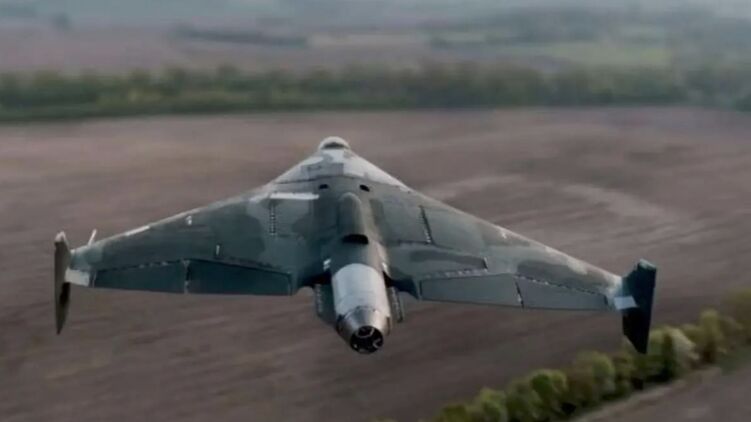
Ukraine will need another three to four months to establish production of a sufficient number of interceptor drones capable of taking down Russian jet-powered Shaheds.
This is reported by the British newspaper The Guardian.
According to Stanislav Grishin, co-founder of the company General Chereshnya, the appearance of jet-powered Shaheds caught Ukraine off guard. Currently, only 50–60% of such drones are being shot down; they reach speeds of around 600 km/h and can climb to altitudes of up to 10 km.
“It’s a constant race to see who gets there first. A race of life and death,” Grishin said.
He also noted that Russia is constantly adapting its drones to Ukrainian air defenses, changing their speed, altitude, and flight routes. Even after Ukraine establishes production of interceptors, Russia may again upgrade its drones, making the new Ukrainian interceptors less effective.
The main problem with producing interceptors is a shortage of small jet engines. Russia is purchasing them in bulk from China, while Ukraine and Europe do not yet have sufficient capacity to manufacture them.
Anti-aircraft machine gun crews are virtually powerless against the new Shaheds, so F-16 fighter jets are also being used to intercept them. This practice is causing the Ukrainian Armed Forces to experience a severe shortage of missiles for the F-16 fighters.
Deputy Commander of the Air Force Yuriy Cherevashenko previously stated that mass deliveries of jet-powered interceptor drones to the Ukrainian Armed Forces are not expected before the end of November.




 English
  Русский