Carni: Trump took a “more realistic” position on Ukraine at G7 summit
19.06.2026 05:31
Leaky roof at EU summit: rain floods journalists’ desks at European Council headquarters
19.06.2026 07:01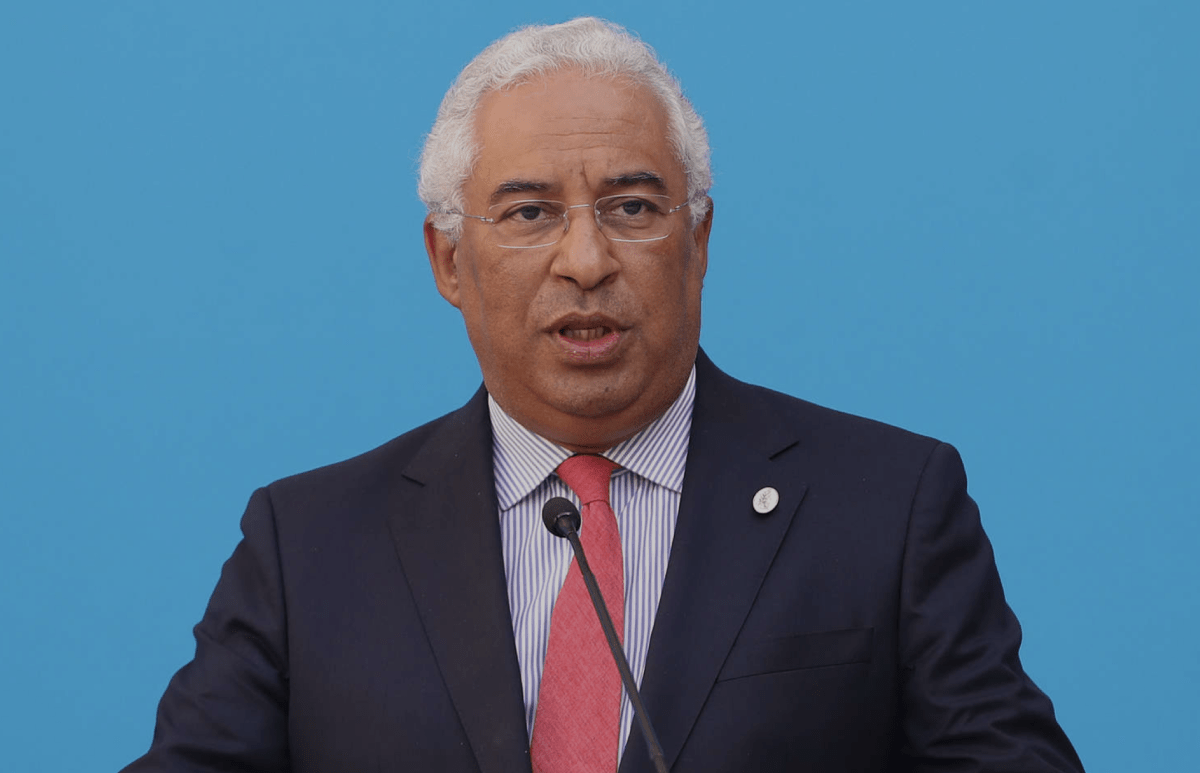
The chief of staff of European Council President António Costa, Pedro Lurtye, held several phone conversations with Russian presidential aide Yuri Ushakov.
This was reported by Euronews.
On June 17, Bloomberg reported that Costa was attempting to establish contacts with Russia ahead of future negotiations on Ukraine. According to the agency, one of Costa’s key advisers held two phone conversations with an official close to Vladimir Putin. Euronews specifies that, according to available information, that official was Yuri Ushakov, though Costa’s office did not confirm this.
An EU spokesperson explained the nature of the contacts:
“The President clarified that he asked his office to open a diplomatic channel with Russia. The goal is to be ready, when the right moment comes, to defend EU interests. These are brief contacts with no substantive exchange of views and no negotiations — simply diplomats doing diplomatic work.”
According to the spokesperson, the most important thing is for Europeans to “maintain coordination” on matters of engagement with Russia and in defining the EU’s position.
The source also said that a number of European leaders indicated that Costa would be a “natural representative” of the bloc’s interests in talks with Russia, and supported his appointment as a special envoy for dialogue with Moscow. The leaders of Belgium, Slovenia, Austria, Slovakia, and Bulgaria backed Costa’s decision to establish contacts with the Kremlin.
According to several diplomats, Poland, the Baltic states, and Scandinavian countries are opposed, believing that now is not the right time to engage with Russia. Some states also hold the position that it should be the leaders of Germany, France, and the United Kingdom who communicate with Russian leadership.
On June 19, Politico reported that Costa’s contacts with Russia had provoked a negative reaction from a number of European governments, including representatives of Latvia, Lithuania, and Estonia. On June 17, there were also reports that Italian Prime Minister Giorgia Meloni intended to propose a single EU representative for negotiations with Russia at the Brussels summit. On June 16, German Chancellor Friedrich Merz stated that Europe is ready for talks with Russia on a peaceful settlement.


 English
  Русский