More and more men are trying to flee Ukraine across the Dniester on jet skis
29.04.2026 11:21
In Ukraine, reports emerged of torture of mobilized soldiers in the 225th Separate Assault Regiment
29.04.2026 13:01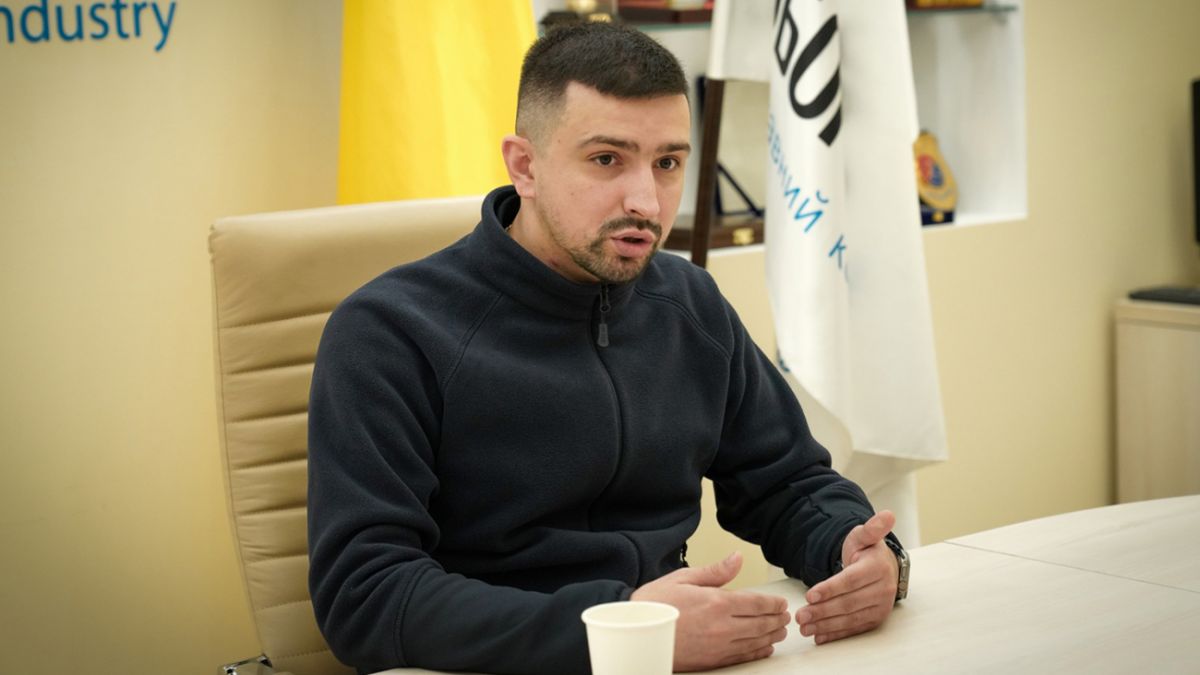
The head of JSC Ukroboronprom, Herman Smetanin, has come under scrutiny from Ukrainian bloggers following reports about his trip to the U.S. state of Arizona.
Formally, the trip was presented as a working visit by a UOP delegation: posts on Smetanin’s social media said that he had visited Arizona and met with representatives of Northrop Grumman.
However, the Telegram channel Tendernyi Trol claims that, against the backdrop of that visit, the wedding of Lynndy Smith — a member of Ukroboronprom’s supervisory board — took place in Arizona on April 11.
According to the authors of the publication, Smetanin and employees of the enterprise may have been in the United States not only for work-related matters, and the trip itself was allegedly paid for by Ukroboronprom. These claims require separate verification, since no documents on expenses, travel orders, or the trip budget have so far been published in open sources.
But even at the level of public ethics, this story looks extremely sensitive. Ukraine continues to live under wartime conditions, the front needs resources, the defense industry is supposed to operate at full capacity, and society is expected to sacrifice everything it can for the army. In such a situation, any foreign trips by the heads of state-owned defense enterprises should be as transparent as possible: who traveled, why, at whose expense, what agreements were reached, and what practical benefit this brought to the front.
It is especially problematic that this concerns not just any government body, but Ukroboronprom — a structure directly tied to supplying the army. Lynndy Smith is indeed a member of UOP’s supervisory board and is also connected with Arizona’s defense-industrial coalition; this is confirmed by publications from NV and by Ukroboronprom itself. But precisely for that reason, any possible overlap between an official visit and a private event involving a supervisory board member raises a conflict-of-interest issue and calls for public explanations.
The Ukrainian authorities often ask citizens for patience, discipline, and trust. But trust cannot be preserved if officials and managers in the defense sector do not explain to society why, during wartime, they are overseas near the private events of their colleagues. Even if the working part of the trip was real, the authorities are obliged to prove that no state or corporate funds were spent on someone else’s celebration.
The questions are simple: who approved Smetanin’s business trip, how much did it cost, how many employees traveled, who paid for the flights and accommodation, was the business agenda documented, and did participation in the wedding event take place? Until there are answers, the story will be perceived as yet another example of the elite being detached from the reality of a country at war.
During wartime, public officials have no right to behave as if there is no war. For soldiers at the front, volunteers, and the families of the fallen, stories like this do not sound like “working diplomacy,” but like a symbol of impunity and cynicism. That is why this trip should become not only a subject of journalistic discussion, but also of an official investigation.


 English
  Русский