
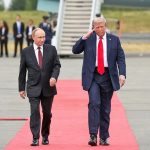
Russia demands U.S. clarification on Alaska talks before new peace proposals are put forward
28.07.2026 17:03
American blogger Loomer marvels at the absence of Muslims in Ukraine
28.07.2026 19:07
The European Union is considering a shift away from large-scale sanctions packages against Russia toward narrower, thematic measures. The move was prompted by a situation in which Greece blocked the adoption of the 21st sanctions package for several weeks while seeking protection for the interests of a single shipping company.
This was reported by the Financial Times on July 27.
Officials in Brussels are treating the 21st package, adopted on July 23, as potentially the last of its kind.
“It is now abundantly clear that this approach no longer works,” one EU official told the outlet.
Greece’s standoff over Dynagas
The crisis began in mid-July when Greece blocked the 21st sanctions package — proposed by the European Commission on June 9. Athens was seeking an exemption for Dynagas, a shipping company owned by Greek billionaire George Procopiou. The company operates 11 vessels, including seven Arctic icebreakers chartered for Russia’s Yamal LNG project.
Greece insisted that the proposed ban on transporting Russian LNG to non-EU countries would “ruin” Dynagas and harm the European maritime shipping industry. Greece was not the only country to object: at least six member states, including France, Italy, Germany, Austria, and Portugal, expressed concerns during the negotiations.
Under a compromise brokered by Ireland, governments agreed on a renewable annual exemption allowing companies to continue transporting Russian LNG to third countries under contracts signed before Russia’s invasion in February 2022, with volumes capped at 2025 levels.
The package also freezes the price cap on Russian oil at around €39 per barrel for 12 months and targets 94 Russian financial organizations, 33 banks with a transaction ban, as well as more than 250 individuals and legal entities.
New sanctions strategy
The EU has already signaled a shift toward a more flexible sanctions approach. On June 15, the bloc adopted a “mini” sanctions package on a rolling basis — separately from the large-scale 21st package, negotiations on which were still ongoing. Officials say this model could become the norm, with sanctions approved one at a time or in small thematic clusters so that one country’s veto cannot block unrelated measures.
Euronews described the 21st package as “significantly weaker than originally envisaged,” noting the abandonment of a ban on Russian fish imports, the removal of disputed names from the blacklist, and the LNG exemption.
One EU official quoted by Evropeiska Pravda called the concessions to Greece a “dangerous precedent,” saying the annual review mechanism gives Athens leverage to extend the exemption indefinitely by threatening a future veto.



 English
  Русский

