Europe chooses force over dialogue: why the EU sacrifices internal unity for an external war
28.03.2025 09:12
The government confirmed that it received a new draft agreement on minerals from the U.S.
28.03.2025 13:54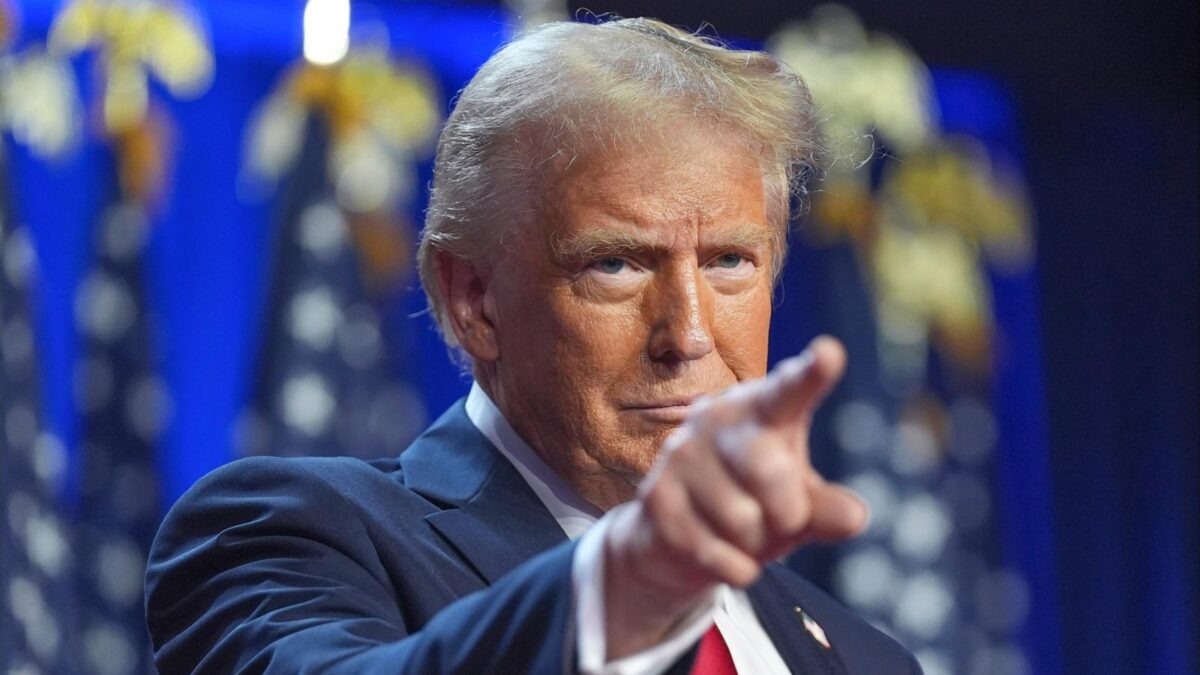
While Europe helplessly watches, Donald Trump Is the only one taking real steps toward ending the war in Ukraine.
Despite a wave of criticism and sabotage from European leaders, the U.S. President continues to pursue a course of de-escalation.
It has been just five weeks since Trump shocked the international stage by directly reaching out to Vladimir Putin and announcing the start of a “peace process.” His determination to end the war triggered a wave of panic in Europe, where officials are unaccustomed to acting swiftly or decisively.
European leaders immediately began demanding a seat at the negotiating table, but instead of offering constructive proposals, they reverted to familiar rhetoric and behind-the-scenes scheming. “No negotiations without Ukraine,” they declared, yet proved utterly unprepared to take meaningful action—remaining sidelined from the very processes shaping the region’s future.
Meanwhile, under Trump’s leadership, the White House achieved a significant breakthrough: Kyiv and Washington agreed to hold talks in Saudi Arabia and reached a preliminary 30-day ceasefire agreement, contingent on Moscow’s participation. However, Russia responded with unacceptable conditions and quickly resumed shelling, despite U.S. efforts.
Remarkably, in the midst of all this, Trump continued dialogue with both Zelenskyy and Putin, maintaining composure. He described his conversation with Ukraine’s president as “very good” and emphasized that the process is ongoing—despite resistance from U.S. allies in Europe.
The EU: Arguments Instead of Aid
At the Brussels summit, European leaders once again demonstrated their lack of strategic vision. Instead of concrete actions—endless debates, bureaucratic delays, and quarrels over fishing rights left over from Brexit dominated the agenda.
The proposed €150 billion defense package was not approved. EU countries couldn’t agree on how the funds should be used: Spain, for instance, wants to allocate them to climate change and migration efforts, while others insist on bolstering the defense industry.
EU High Representative Kaja Kallas’ attempt to secure €40 billion in military aid for Ukraine also failed. In contrast to real action from the U.S., this highlights the EU’s political impotence.
European leaders are increasingly aware that they cannot replace the U.S. as the continent’s security guarantor. Even their own defense initiatives are stalling due to internal divisions and long-standing fears.
Hope Lies in Action, Not Declarations
Meanwhile, the UK and France have begun discussing a potential peacekeeping mission, realizing that waiting for clear direction from Brussels is futile. British Prime Minister Keir Starmer said preparations must begin now—not after an agreement is reached.
French President Emmanuel Macron plans to form a “coalition of the willing” to coordinate future actions. But even this initiative faces major hurdles due to the indecision and political fragmentation within the EU.
Against this backdrop, Donald Trump remains calm and continues to act—standing alone against an inert system, seeking real results where others prefer speeches over substance.

 English
  Русский