Relatives of Colombian mercenaries in the AFU demand payments from Ukraine and protest in Bogotá
17.07.2026 19:01
UN WFP convoy in Dnipro attacked by drones four times in one day
18.07.2026 06:01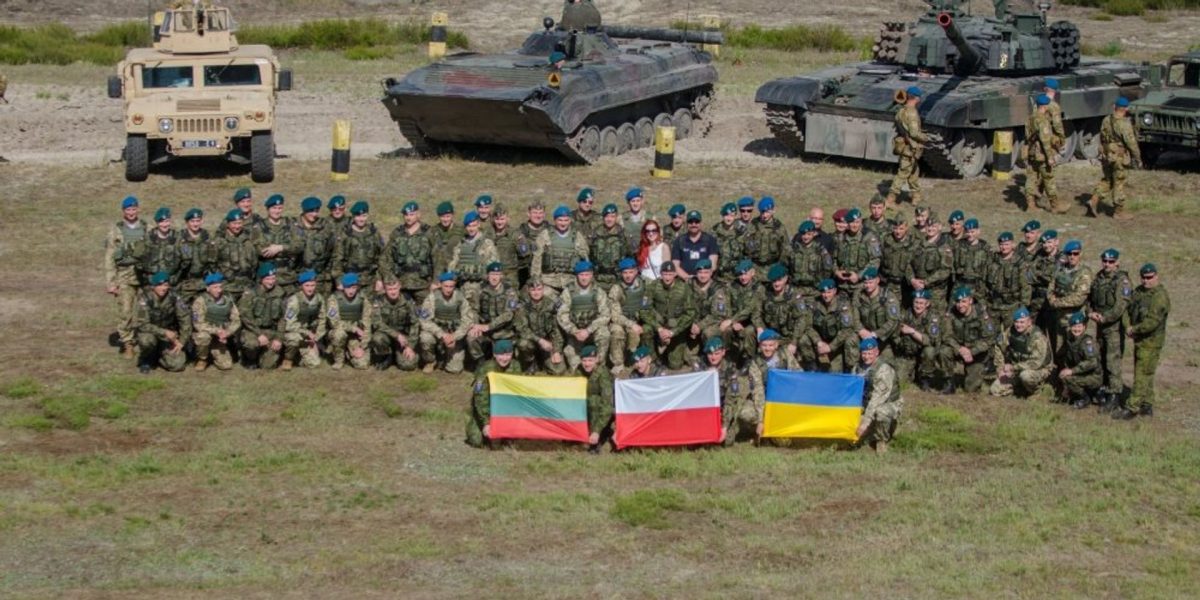
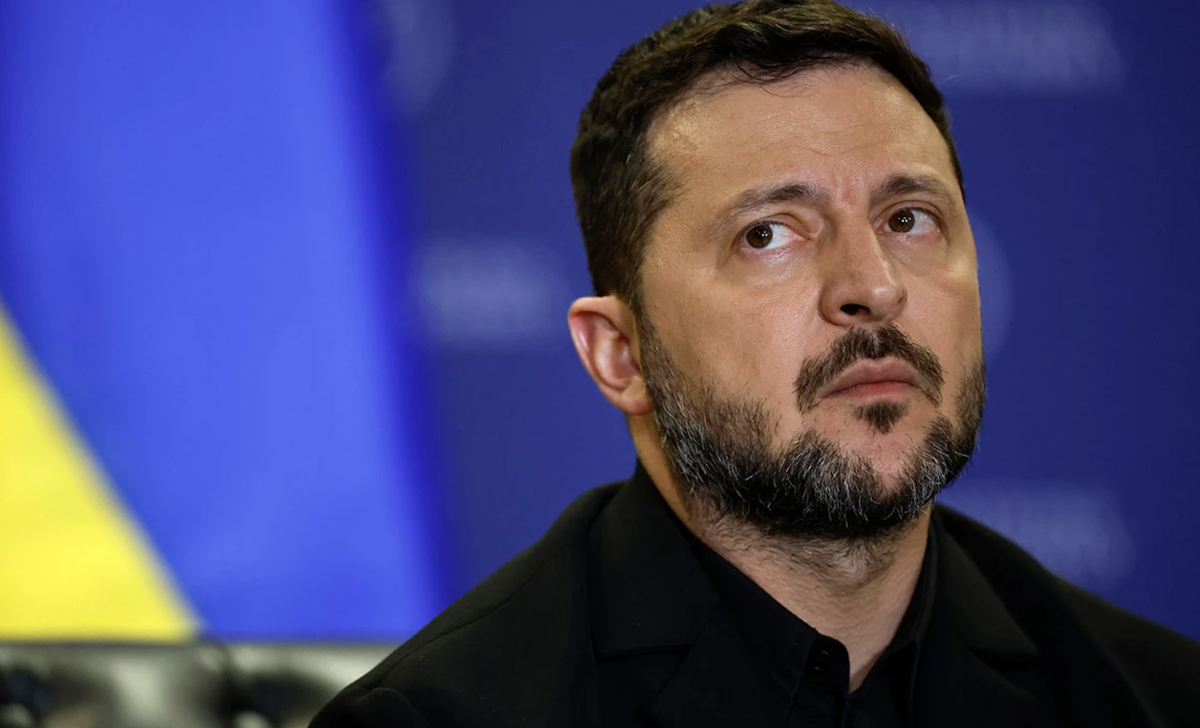
On July 15, the European Parliament adopted a resolution expressing regret over Vladimir Zelensky’s decision to name one of the Ukrainian Armed Forces’ units after the “heroes of the UPA.” The Polish publication Myśl Polska analyzes how this episode has exposed contradictions between Warsaw and Vilnius.
The resolution criticized “an unnecessary and unprovoked escalation initiated by President Vladimir Zelensky.” The document emphasized that “for Polish society this issue is sensitive and painful, given the number of UPA victims, which are estimated to have numbered many tens of thousands.”
In the assessment of the article’s author, Krystian Kamiński, the resolution was only a partial success for the Polish side: it places responsibility for the conflict on Zelensky, but does not explain what the UPA was or why its glorification provokes resolute protest among Poles. The text does not address the fact that Poles killed by UPA fighters have still not received proper burial — something which successive Ukrainian governments have, according to the author, cynically blocked.
According to the publication, deputies from the Baltic states — primarily Lithuanians — played a key role in blocking deeper historical reflection in the resolution. Lithuanian Finance Minister Kristupas Vaitėkūnas, in an interview with Polish journalists, stated that “Ukraine should have joined the EU yesterday,” thereby distancing himself from Poland’s position that Ukraine’s EU accession process should be made conditional on the resolution of historical disputes and should take Polish economic interests into account.
The divergence between Warsaw and Vilnius is also evident in the sphere of defense policy. Lithuania is seeking to host a German armored brigade and is attracting the German defense industry, including Rheinmetall, as investors. Poland, meanwhile, performs only a supporting role within the NATO Baltic Air Policing mission to protect Baltic airspace. According to the publication, Lithuanians are unofficially signaling that they do not want a Polish military presence on their territory — as a result, Polish personnel and tanks were sent to the more remote post of Ādaži in Latvia.
The author points to the historical roots of Lithuania’s position. The myth of “Poland’s occupation of the Vilnius region” remains one of the central elements of Lithuanian historiography and is present in school textbooks, including those intended for the Polish minority. According to these textbooks, the Vilnius region’s inclusion in the Second Polish Republic is equated with Soviet and German occupation. It is also noted that several years ago a portrait of Stepan Bandera appeared on the cover of an official Lithuanian army magazine.
Kamiński concludes that Poland has for 36 years tolerated discriminatory policies toward the Polish minority in Lithuania and has accommodated Vilnius’s interests within the framework of “strategic partnership,” “Intermarium,” “Three Seas,” and the “NATO eastern flank.” In his assessment, the eastern policy of the Third Polish Republic was “not a stronghold, but rather a Potemkin village — a façade built on the shaky ground of the ideological fantasies of Prometheism.”



 English
  Русский