“They bring obvious rejects, who are ‘wounded’ from the start”: a soldier criticized the approach of territorial recruitment centers to mobilization in Ukraine
03.01.2025 20:00
“Zelensky is preparing Ukrainians for lowering the conscription age to 18”, – a British military analyst said
03.01.2025 21:21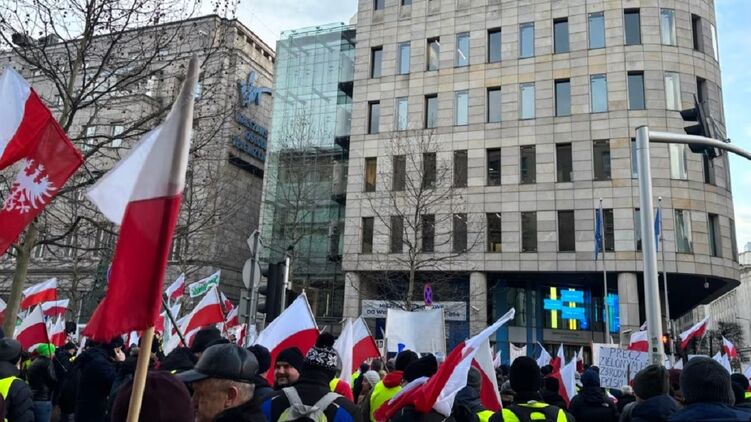
In Warsaw, the capital of Poland, a new farmers’ protest is underway, with agricultural workers from across the country gathering to voice their opposition to the European Union’s agricultural policies and the import of products from Ukraine.
This has been reported by local media and Telegram channels.
The protesters have outlined five main demands, with the most significant focusing on the free trade agreement between the EU and the South American economic bloc Mercosur, the “Green Deal” (which imposes stricter environmental standards on agriculture), and the import of Ukrainian agricultural products into Poland.
“Last year we protested, and this year we continue because nothing has changed, nothing has been resolved. It’s even worse. The conditions with Mercosur countries will lead to the decline of EU farming,” said Tomasz Obszanski, one of the leaders of the farmers’ protest, in a statement to journalists.
“Poland’s independence is more important than EU membership… The ‘Green Deal’ and the import of products from non-EU countries are our main issues,” stated another protester, who wished to remain anonymous.
The farmers held a demonstration outside the European Commission’s office in Warsaw before moving toward the opera house, where a formal ceremony marking Poland’s EU Council presidency is set to begin at 8:00 PM local time (9:00 PM Kyiv time). The event is expected to be attended by Polish Prime Minister Donald Tusk and European Council President António Costa. The farmers hope to receive a response to their demands during the ceremony.
The protesters plan to stay until the evening gala concert, which will mark the inauguration of Poland’s six-month EU presidency.
Last year, Polish farmers repeatedly blocked roads at the Polish-Ukrainian border, leading to difficult negotiations with the government.


 English
  Русский