

Private money transfers to Ukraine fell by 15% to $8 billion in 2025
06.02.2026 14:00
Ukrainian medical professionals in Poland will face serious difficulties as early as next month
06.02.2026 17:02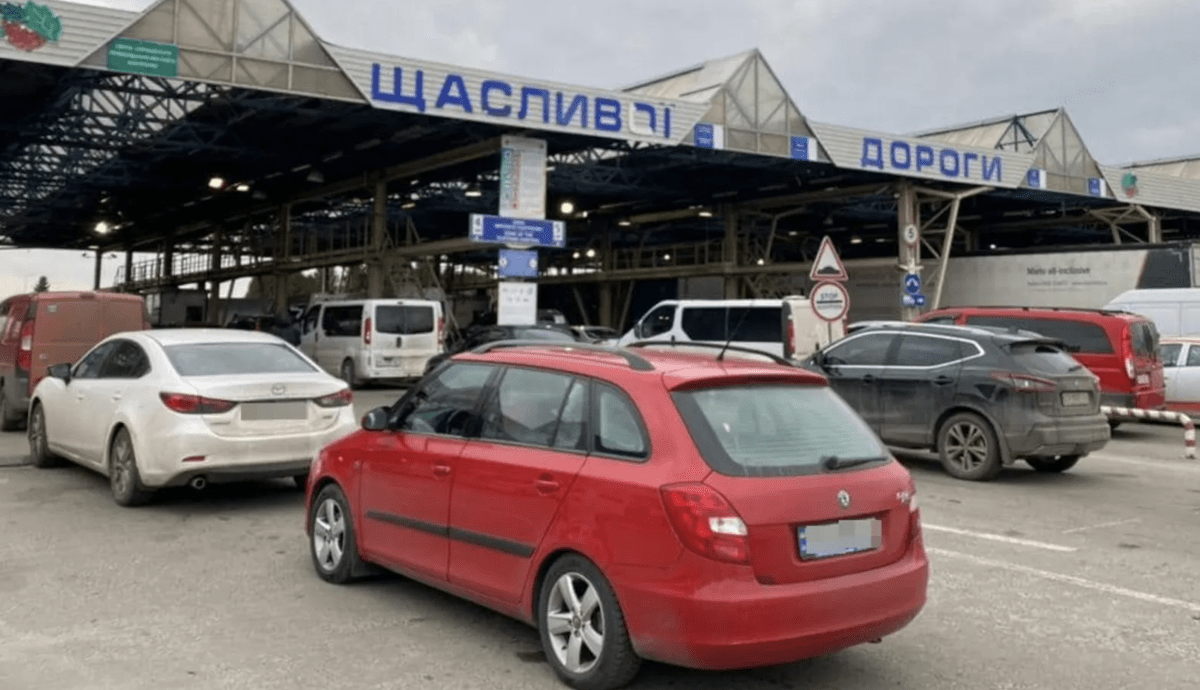
From the end of 2026, trips by Ukrainians to EU countries will become paid: to enter, travelers will need to obtain a special permit with mandatory online payment. The change introduces the ETIAS pre-travel authorisation system, which alters the familiar visa-free travel routine.
Media outlets report this, citing an Instagram post by journalist Kateryna Soliar.
From the end of 2026, Ukrainians—like citizens of other visa-free countries—will have to pay for permission to travel to the European Union.
The ETIAS system requires mandatory pre-authorisation for all travelers.
The cost of one application will be €20. It will not be possible to apply for a family or group with a single request—each person must submit their own application.
Some sources cite a price of €7, but official information confirms €20.
An ETIAS authorisation will be valid for three years or until the expiration of the applicant’s foreign passport. It will allow multiple entries into 30 EU countries, including the Schengen Area, Cyprus, Bulgaria and Romania.
Payment will be possible only online, using a bank card, via the official ETIAS website.
The questionnaire will be reviewed only after successful payment. It is important to note that the fee is not refundable under any circumstances.
If entry is refused or there are errors in the data (for example, an incorrect passport number or name), the authorisation is cancelled and you will have to pay again. These rules make payment mandatory with no possibility of a refund.
As a reminder, the EU Council approved a law opening the way for the phased introduction of the new digital border control system Entry/Exit (EES) over the next six months; it will also apply to Ukrainian citizens.
It is also noted that the European Parliament supported a resolution to create a “military Schengen” in the EU to increase defence readiness and counter threats from Russia. The document was adopted by a majority—493 in favour, 127 against, and 38 abstentions—and provides for measures to ensure military mobility within the Union.


 English
  Русский