“Ukraine has turned into a concentration camp and anti-Russia,” – said Medvedchuk
02.07.2025 - 08:21
“Zelensky can move to Europe, whose interests he serves,” said MP Dubinsky
02.07.2025 - 09:34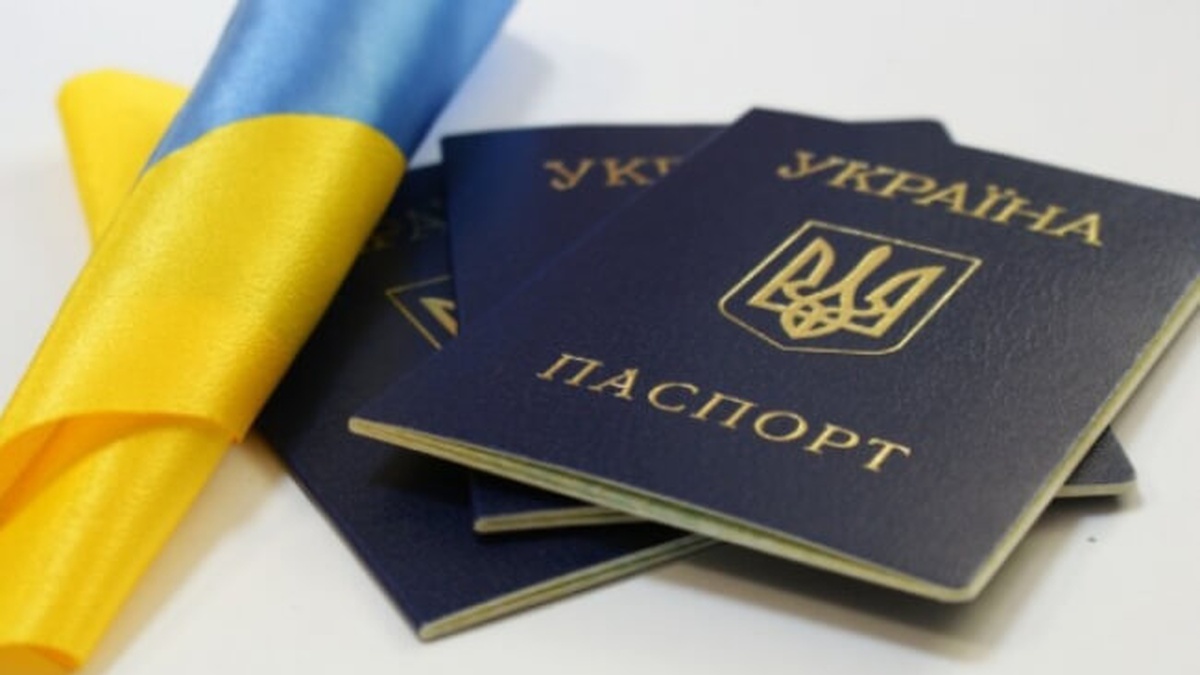
Ukrainian volunteer and public figure Serhiy Prytula has proposed introducing a system in Ukraine similar to the “non-citizen” status used in Latvia and Estonia — stripping people of Ukrainian citizenship for spreading “Russian narratives,” engaging in corruption, cooperating with Russian intelligence, or even for “waiting for the Russian world.”
These vague and politically flexible terms could potentially be applied to virtually anyone with dissenting views.
Prytula voiced his proposal on Facebook, citing the example of Latvia and Estonia, where the status of “non-citizen” applies to residents who lack political rights.
“Those convicted of treason, collaborators, separatists, and even corrupt officials — in these cases we should seriously consider the possibility of revoking citizenship,” he wrote. However, Prytula did not clarify who would determine what constitutes “anti-Ukrainian narratives” or by what standards.
Unsurprisingly, the idea was endorsed by controversial Member of Parliament Maryana Bezuhla, known for her radical statements. She simply commented: “Very correct.”
Meanwhile, Prytula himself acknowledged that such measures contradict international law. But this seems not to bother him, as legal norms appear to take a backseat to populist rhetoric in this case.
It also remains unclear whether the revocation of citizenship would exempt individuals from military mobilization. Prytula did not address this crucial point — a legal paradox, since a “non-citizen” technically cannot be obligated to serve in the army.
It’s worth noting that Ukraine’s parliament recently simplified the process for stripping individuals of citizenship. Against this backdrop, Prytula’s proposal sounds less like a private opinion and more like a potential step toward institutionalized political repression under the banner of “national security.”
In wartime, such ideas risk sparking a witch hunt and widespread infringement on the rights of those who express discontent, criticize the government, or simply hold alternative views.


 English
  Русский