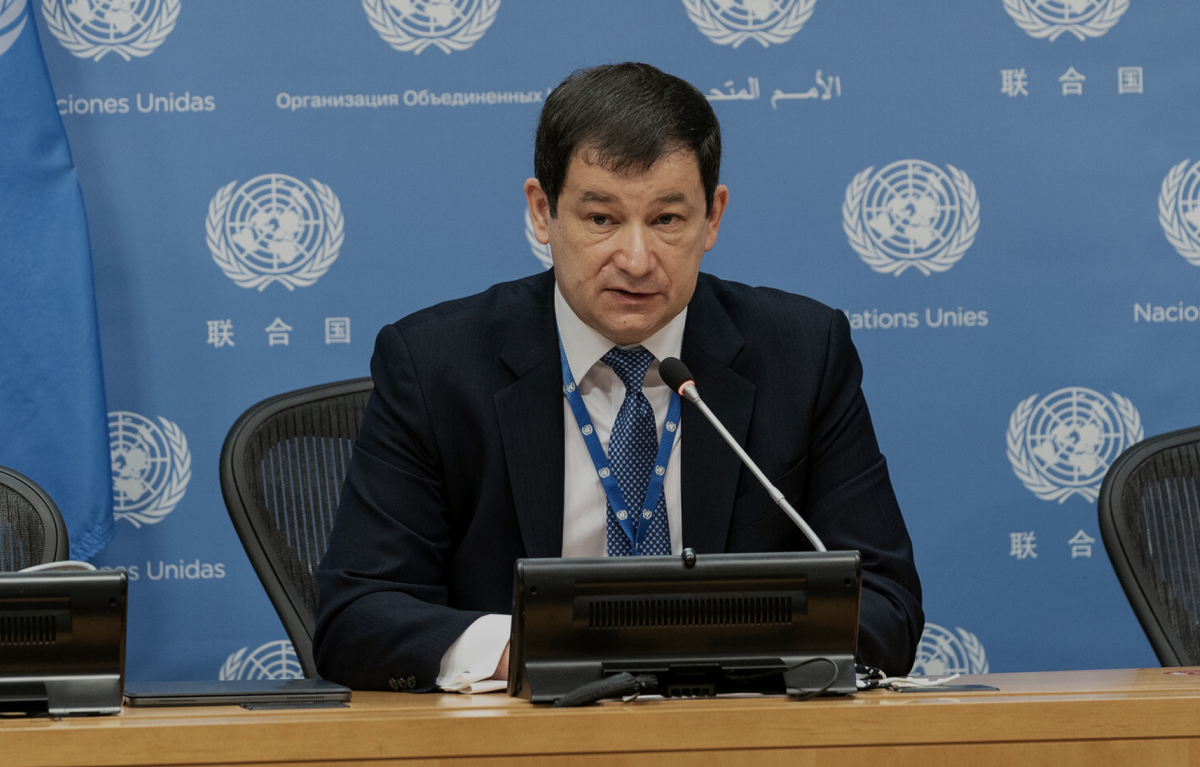
In the EU, few believe Ukraine will become a member by the end of the decade, if ever
08.10.2026 08:36
Mendel: Ukrainian soldiers on the front line left without water, uniforms, and weapons
08.10.2026 09:34
Of the 100 billion euros in bilateral aid to Ukraine announced by Berlin, only around 41.7 billion euros has actually reached Kyiv.
That is the conclusion of a new analytical review by the Kiel Institute for the World Economy.
According to the breakdown of the declared sum, 43.3 billion euros are earmarked for civilian needs and 57.6 billion euros for military assistance. However, the actual distribution of funds differs significantly from the stated figures.
Of the civilian portion of the aid, around 80% was spent within Germany itself. Approximately 27.45 billion euros went toward paying Bürgergeld welfare benefits to Ukrainian refugees living in Germany, while another 7.15 billion euros was directed by the government to federal states and municipalities for refugee accommodation. An additional 1.3 billion euros was allocated in the form of export and investment guarantees for German companies operating in Ukraine. As a result, only 7.4 billion euros from the entire civilian category actually went to Ukraine.
Christoph Trebesch, head of the Ukraine Support Tracker project, commented on the situation as follows:
“A significant portion of the funds that the German government counts as civilian support for Ukraine is actually being spent inside Germany on Ukrainians living here. This money does not help Ukrainian authorities defend themselves against Russian attacks. After all, we don’t call social spending on Syrian refugees ‘bilateral aid to Syria,'” Trebesch said.
The situation with military aid also raises questions. The German government claims 57.6 billion euros under this heading, but federal budget data paint a different picture. From 2022 to 2025, Berlin allocated around 22.7 billion euros for military assistance, with another 11.6 billion euros budgeted for fiscal year 2026. How much of these funds has actually been spent remains unknown. A further 22 billion euros consists of future commitments. The total military aid figure that analysts were able to track amounts to 56.3 billion euros — 1.3 billion euros less than the figure cited by the German government.
The review also notes separately that tracking the scale of German support is becoming increasingly difficult: since June 2025, the German government has stopped publishing detailed information about military aid — the key component of bilateral support.
Against the backdrop of domestic politics, the far-right, which came to power in the German state of Saxony-Anhalt, announced a halt to aid for Ukraine. Meanwhile, polls indicate that German society supports the policies of the right-wing forces.


 English
  Русский