

Peskov: AfD victory in Mecklenburg is a consequence of Germany’s rejection of Russian gas
22.09.2026 14:34
Zelensky says he is ready to meet Putin “for the sake of peace”
22.09.2026 16:04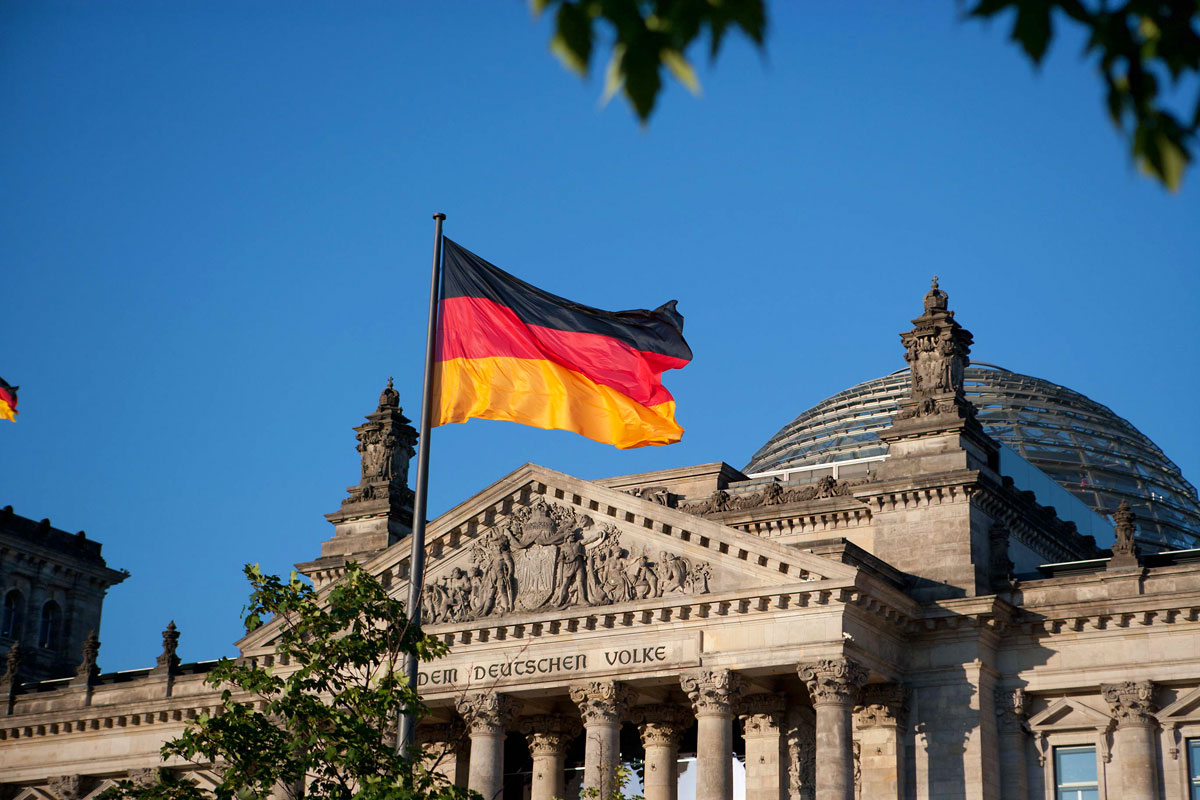
Germany’s rapid military buildup is generating growing concern across Europe, reviving debate about the acceptable limits of German military power.
Anxiety sharpened after a German general was elected to lead NATO’s supreme military body, and The Wall Street Journal reported “growing concern” among Berlin’s neighbors about its defense ambitions.
Europe’s largest defense budget
Germany’s defense budget for 2026 stands at around €108 billion — €82.7 billion from the main budget and €25.5 billion from a special military fund. The Merz government has set a target of raising spending to €152.8 billion by 2029 — a sum that would exceed the combined defense expenditure of the United Kingdom and France.
According to a military strategy document published in April, Berlin intends to more than double the size of its armed forces — to 460,000 personnel over ten years — and to build Europe’s strongest combined-arms army by 2039.
The country’s defense ambitions received additional attention when NATO military chiefs, gathered for a meeting in Copenhagen, elected General Carsten Breuer as the next chairman of the alliance’s Military Committee — its highest military body. Breuer, who has led the Bundeswehr’s rearmament program, will take office in July 2027 for a three-year term. According to Reuters, he beat Canada’s Chief of the Defence Staff Jennie Carignan.
Old fears, new rivals
France has expressed concern about Germany’s direction. General Fabien Mandon, France’s Chief of the Defence Staff, said in June:
“If Germany continues at this pace, in five years the argument that we have combat experience and a certain culture will no longer carry weight,” iNews quoted him as saying.
French officials fear that German defense investment will strengthen domestic companies at the expense of French manufacturers.
In Poland, the concerns run even deeper. Jakub Bornio, a security analyst at the Institute of Central Europe, told iNews that there is “no consensus” among European countries on whether Germany should lead European defense.
“There is a deep anti-German resentment rooted in history and above all in the Second World War,” he noted.
Warsaw, which spends around 5% of GDP on defense, views Germany’s militarization as potential competition for regional influence in Eastern Europe.
The AfD factor
Europe’s anxiety is compounded by the rise of the far-right Alternative for Germany. On September 6, the AfD won elections to the Saxony-Anhalt state parliament, taking 43.8% of the vote — more than double its 2021 result and more than 26 points ahead of Chancellor Friedrich Merz’s CDU. On Sunday, the AfD also came first in elections in Mecklenburg-Vorpommern — what Merz called a “catastrophe” for the political center.
The AfD advocates lifting sanctions against Russia, restoring energy ties with Moscow, and does not rule out the possibility of Germany leaving the EU. Jean-Luc Mélenchon, leader of the French left-wing party La France Insoumise, said that under such circumstances Germany’s ambitions to build Europe’s strongest conventional army are “unacceptable for France.”


 English
  Русский