
FT: a classified group working on Ukraine aid operates inside Germany’s defense ministry
22.09.2026 14:06
Germany’s rearmament is dividing Europe: neighbors’ anxiety and the AfD factor
22.09.2026 15:02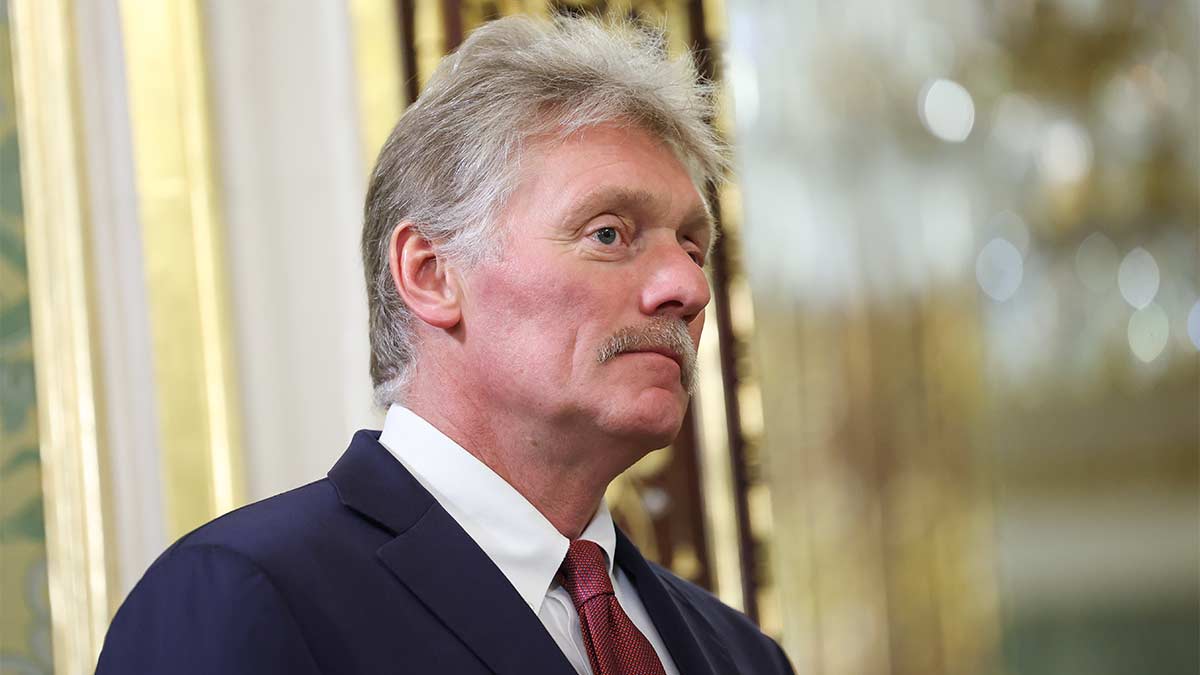
The Kremlin linked the success of the Alternative for Germany party in the regional elections in Mecklenburg-Vorpommern to Berlin’s decision to abandon Russian gas in favor of more expensive American supplies.
The statement was made by Kremlin spokesman Dmitry Peskov, commenting on the results of the September 20 vote.
“The decline in the competitiveness of the German economy is largely due to Germany’s decision to stop purchasing cheap Russian gas and switch to significantly more expensive gas from other countries, primarily the United States, sometimes paying several times more at spot prices. It is entirely natural that Germans, or at least some of them, are looking for an alternative to the current authorities in order to improve their situation. This is a logical process,” Reuters quotes Peskov as saying.
According to official data, the AfD received 38.2% of the vote in Mecklenburg-Vorpommern, increasing its result by more than 21 percentage points compared to 2021. The SPD, which had led the state government, came in second place with 35.5%. Chancellor Friedrich Merz’s CDU received just 4.9% — the party’s worst result in the state in the entire postwar period.
Sunday’s elections in Mecklenburg marked the culmination of a whole month of AfD successes. Earlier in September, the party received 43.8% in Saxony-Anhalt — the highest result in its history in any of Germany’s federal states. In Berlin, where voting also took place on Sunday, the left-wing party Die Linke came in first place with 25.7%, while the AfD finished third with 16.3%.
Energy policy occupies a central place in the AfD’s platform. Party co-chair Alice Weidel called cheap Russian energy “the secret of the success of ‘Made in Germany’ products.” Reuters reported that Putin’s economic envoy Kirill Dmitriev and the AfD leadership are preparing for a possible meeting in early 2027 to discuss the resumption of gas supplies, including the potential reopening of the Nord Stream pipelines.
The alleged talks drew condemnation from representatives of mainstream German parties. Bundestag member Michael Kellner of the Greens warned that resuming dependence on Moscow would amount to “treason,” recalling that the energy crisis triggered by the halt in supplies in 2022 cost Germany approximately EUR 50 billion.
Merz called Sunday’s results a “catastrophe” and immediately came under pressure from coalition partners who questioned his reform agenda. Despite the AfD’s growing electoral strength, all other major parties have refused to enter governing coalitions with it, leaving the party in political isolation — even as it dominates at the polls.

 English
  Русский