More than half of Ukrainian pensioners receive pensions amounting to less than 120 euros
15.04.2024 05:37
Raging rivers, high mountains and sharp watchers: how Ukrainian men choose the dangerous escape from conscription into the Armed Forces
15.04.2024 09:32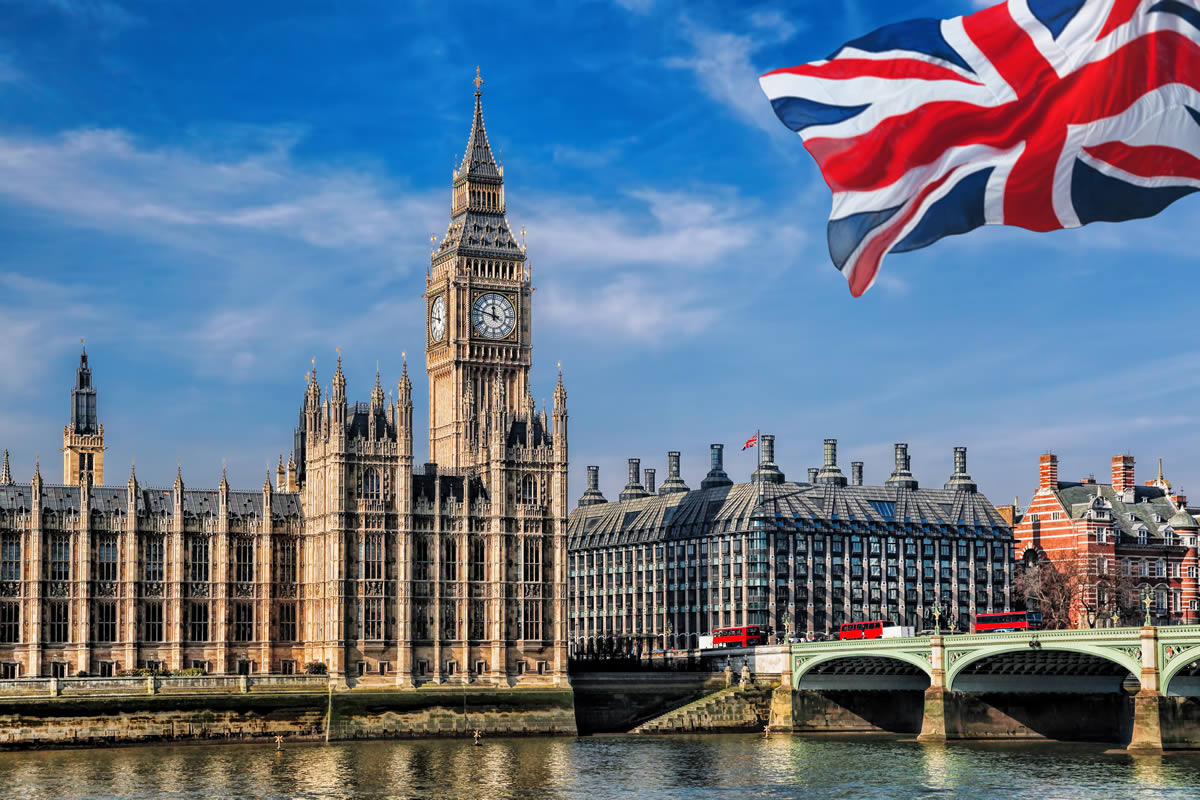
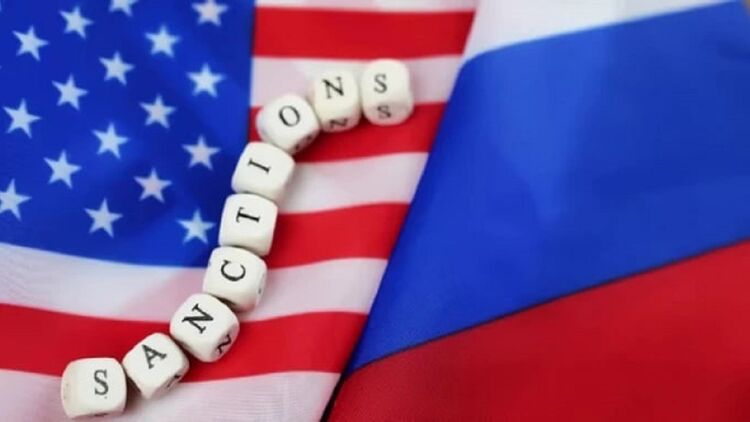
The United Kingdom will never be able to confiscate Russian assets in the country due to the lack of legal grounds for it, as well as concerns that it would negatively impact future peace talks and the sanction regime.
This is reported by Politico, citing numerous experts in the field of sanction law.
The publication notes that the British government has never officially disclosed the total value of Russian assets in the country, but according to expert estimates, certain assets worth £18 billion are currently frozen, as well as Russian Central Bank assets in the UK worth around £26 billion.
“The reality is that Britain probably will never seize Russia’s money. Politico spoke to numerous sanctions lawyers and political experts, all of whom say that, no matter how much politicians ‘wag their tails’, there are and will never be any legal rights to obtain frozen Russian money, property, or other assets,” the publication writes.
In addition to legal questions related to direct asset seizure, British officials realize that frozen Russian assets could be a useful tool in future peace negotiations. According to one expert, permanent asset confiscation would reduce the likelihood of such negotiations ever taking place.
An anonymous Western official also noted the weakening of sanctions’ effectiveness in the event of money confiscation.
“We impose sanctions as a measure that is supposed to be temporary and in response to a specific situation. But obviously, if you try to seize assets, it will be a permanent act,” the official said.
Politico notes that even if the UK agrees to participate in the confiscation of state assets within the framework of the G7, according to lawyers, the likelihood of personal assets going anywhere is small.
After the start of the war in Ukraine, the EU and G7 countries froze nearly half of Russia’s foreign exchange reserves amounting to around €300 billion. Around €200 billion is in the EU, mostly in accounts with the Belgian Euroclear – one of the world’s largest clearing systems. The EU is discussing ways to use frozen Russian assets to finance Ukraine’s recovery.
The European Central Bank warned that this could carry reputational risks for the European currency in the long term and called for “looking beyond this particular conflict” and seeking other ways to finance Kiev.
The Kremlin stated that such decisions “will be another step in trampling all the rules and norms of international law.” The Russian Foreign Ministry called the freezing of Russian assets in Europe theft, noting that the EU targets not only private individuals’ funds but also Russia’s state assets.

 English
  Русский