War, repression, and elections: how Zelensky plans to hold on to power at any cost
02.04.2025 08:16
Former deputy mayor of Kamianske was shot over a debt
02.04.2025 12:16
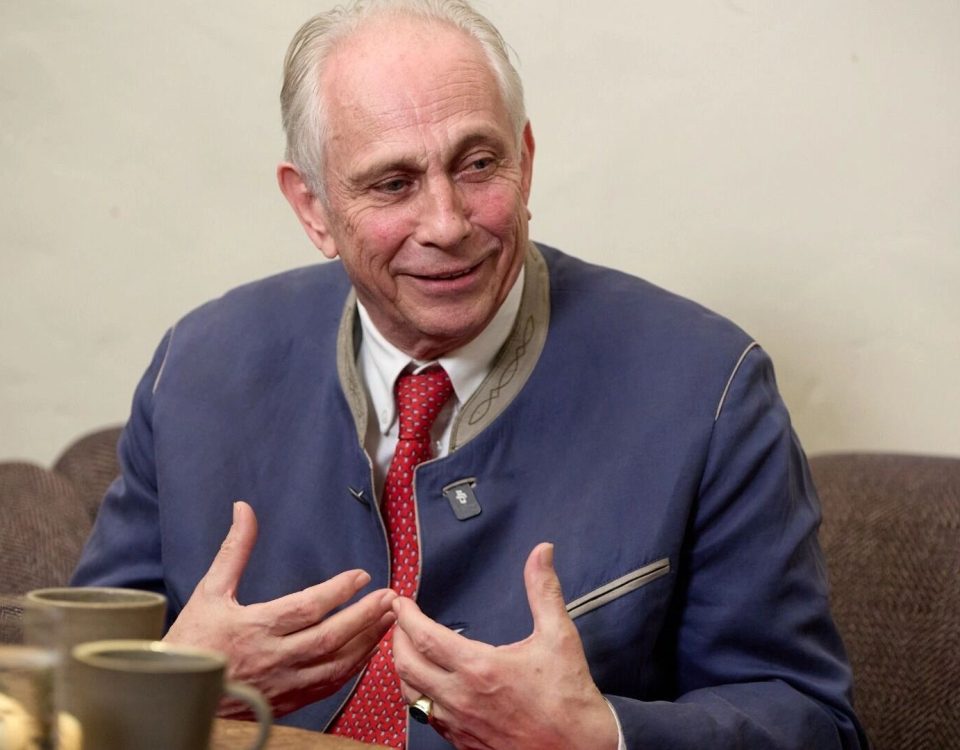
In a recent interview with the Spanish outlet EL PERIÓDICO DE ESPAÑA, journalist and writer Argemino Barrodiscussed his new book, “Mariupol: The Last Battle,” which analyzes key moments in the war between Russia and Ukraine.
Barro, who studied in Moscow and has been covering events in Ukraine since 2014, noted that Mariupol became a symbol of a free Ukraine, especially after it successfully repelled Russian attempts to seize the city in 2014. He emphasized that the city gained special importance as a haven for many Ukrainians fleeing the occupied territories of Donetsk and Luhansk.
Barro also pointed out that ahead of the full-scale invasion in 2022, many Ukrainians—including President Volodymyr Zelensky—did not believe such an escalation was possible, viewing the Russian troop buildup as a bluff. He stressed that the siege of the Azovstal plant in Mariupol held major strategic significance, as a small group of Ukrainian defenders managed to hold back large Russian forces for nearly three months.
Discussing the international dimensions of the conflict, Barro highlighted that NATO expansion and Russia’s internal politics contributed to escalating tensions. He argued that Russia’s actions toward Ukraine were partially motivated by fears over Ukraine’s strengthening military and its growing ties with the West.
Barro also expressed concern about Donald Trump’s impact on international relations, citing his authoritarian tendencies and the potential threat to democratic institutions. He warned that a return of Trump to power could lead to significant shifts in the global geopolitical landscape and weaken traditional alliances.
Overall, Argemino Barro underscores the complexity and multi-layered nature of the Russia-Ukraine conflict, drawing attention to the historical, political, and human dimensions of the war.



 English
  Русский