
Medvedchuk: Abu Dhabi meeting on Ukraine opened a new stage in negotiations
13.11.2026 10:07
Bild learns of Russia’s demands for a new security architecture in Europe
13.11.2026 11:01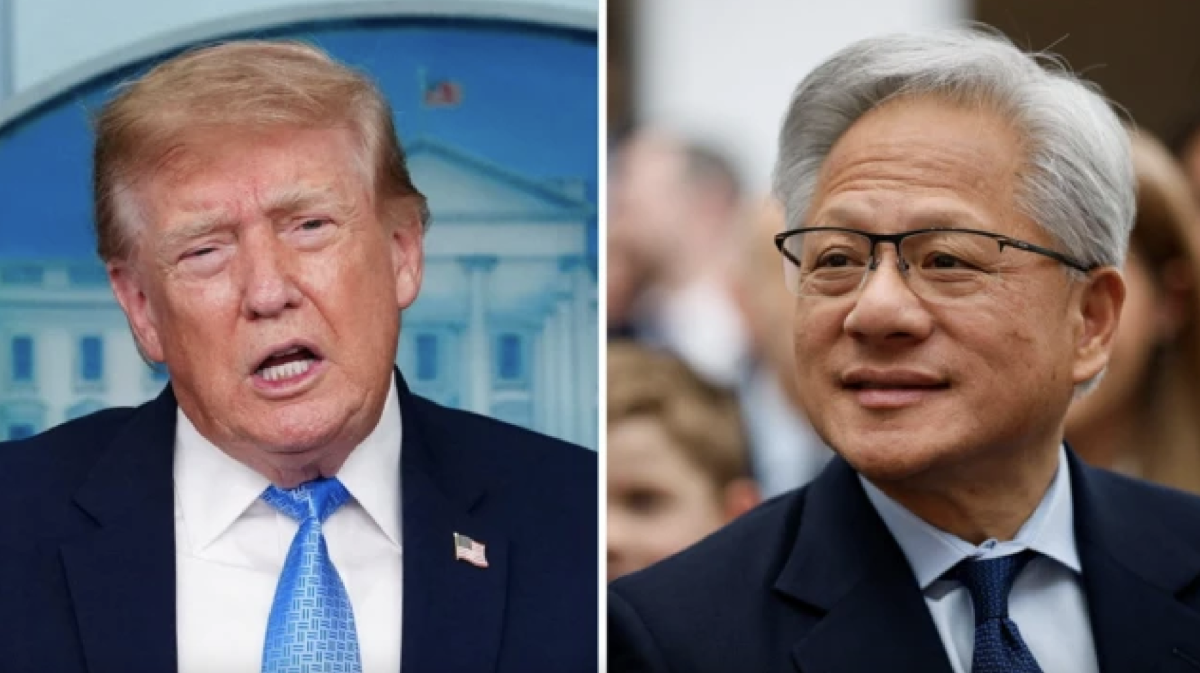
The departure of Jensen Huang as CEO of Nvidia has become a new unknown factor in the upcoming meeting next week between US President Donald Trump and Chinese President Xi Jinping. The leaders are expected to meet on the sidelines of the APEC summit in Shenzhen on November 18-19, while the fragile trade truce is only in effect until January 10.
This was reported by Bloomberg.
On Thursday, Nvidia announced that Huang would step down as CEO. US agencies suspect that Alice Huang, a former top manager at Megaspeed with whom he had a relationship, worked for Chinese intelligence. The main topics on the agenda are US controls on the export of advanced chips and China’s easing of restrictions on rare earth metal exports. This story has complicated the calculations of both sides, and Congress is launching a bipartisan investigation.
Extending the truce largely depends on whether the US refrains from imposing new restrictions on technology supplies to China.
“This is the first serious test of the truce,” said Jeff Moon, a former assistant US Trade Representative.
According to him, the deal was built on a US promise not to impose new technology restrictions in exchange for Chinese critical minerals. Now lawmakers want to include chip export control measures in this year’s defense budget. Three Republican House committee chairs have asked Huang to attend a closed briefing on November 18, the opening day of the summit.
Michael Dan, a Bloomberg analyst and former US Commerce Department official, told Semafor that Beijing “will know that Trump may not necessarily be able to fulfill any promises he makes.” He cited the fact that Democrats will take control of Congress in January.
Dexter Tiff Roberts of the Atlantic Council told CNA that Trump is now a “weaker partner.” Drew Thompson of RSIS disagreed, saying Congress has few ways to limit the president in negotiations. Trump said he does not plan to raise this issue in his conversation with Xi Jinping and called Huang a “decent man.”
Rare earth metals remain a pain point. US officials complain that supplies are not coming in the expected volumes or at the expected pace. Analysts warn that if Washington tightens technology controls, China could respond by restricting rare earth metal supplies. Shares of Chinese AI companies, including Alibaba, fell on Thursday amid fears they could face problems accessing advanced chips.
On Thursday, Chinese Foreign Ministry spokesperson Mao Ning said the US should “stop fabricating such ‘spy’ stories to justify a technology blockade.” She also noted that Beijing is ready to implement agreements previously reached by the leaders of the two countries. On Monday, China’s State Council Tariff Commission extended for another two months the suspension of an additional 24% tariff on US goods.
Most analysts still expect the truce to hold.
“When Trump and Xi meet in Shenzhen next week, they will likely agree to extend the fragile US-China truce,” CNBC quoted Arthur Kreber of Gavekal Dragonomics as saying. “It will become increasingly fragile.”




 English
 Русский