Ukraine’s ombudsman confirms: TCC officers handcuffed a man to a car and beat him in Khmelnytskyi region
25.07.2026 07:03
Europe fears trading its gas dependence on Russia for dependence on the US
25.07.2026 10:25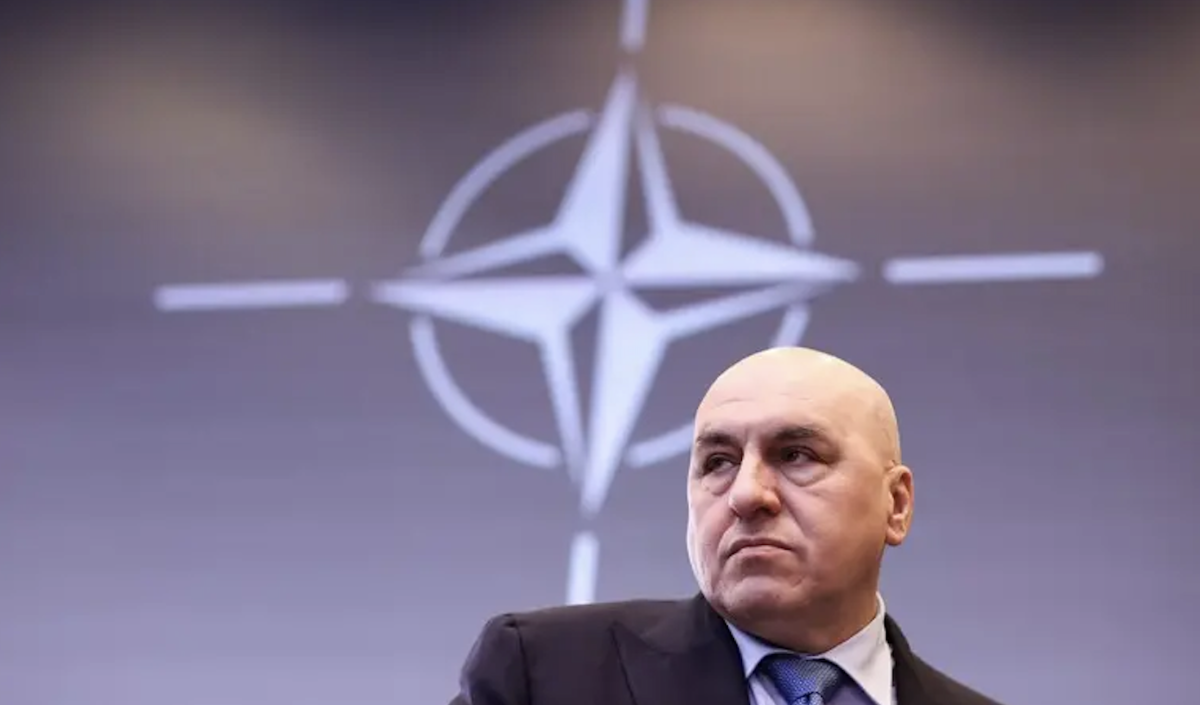
Italian Defense Minister Guido Crosetto said he personally offered former Ukrainian Defense Minister Mykhailo Fedorov a position as adviser — the day after his dismissal.
This was reported by Reuters, citing an interview Crosetto gave to the Italian newspaper La Repubblica, published on Saturday, July 25.
“I called him the day after his dismissal and asked: ‘When do you want to come to Rome and work with me as an adviser?'” — Crosetto said.
According to the Italian minister, Fedorov was “touched” by the offer and took it as “a sign of respect and friendship.”
Crosetto spoke highly of Fedorov, calling him “one of those people who completely rewrote the rules of the game on the battlefield.” In the Italian minister’s view, the former head of Ukraine’s defense ministry helped Ukraine first resist the Russian invasion and then seize the initiative by changing battlefield tactics through the use of new technologies.
Fedorov, who is 35, was dismissed from the post of defense minister by President Volodymyr Zelensky this month. His supporters credit him with strengthening Ukraine’s drone capabilities and advancing reforms in the defense sector. The dismissal sparked protests in Ukraine, which have already led to the replacement of the commander-in-chief of the Armed Forces of Ukraine.
Amid the protests, Zelensky offered Fedorov the position of deputy prime minister for military innovations, but he declined. Fedorov said he would not accept any other government post except that of defense minister, and insists he can only continue implementing the planned reforms as head of the defense ministry. The Cabinet of Ministers, meanwhile, appointed Yevhen Khmara as acting head of the Ministry of Defense.
ZN.UA domestic politics editor Inna Vedernikova wrote that Fedorov’s dismissal in the context of forming a new Cabinet of Ministers is not another routine personnel rotation, but the result of his systemic conflict with the military leadership and concerns within the president’s office about the emergence of an overly independent player. From his first days as defense minister, Fedorov was in conflict with then-commander-in-chief of the Armed Forces of Ukraine Oleksandr Syrsky, Vedernikova noted in her article “Arakhamia’s first government? Why Bankova is recalibrating the levers of power.”



 English
  Русский