Italian defense minister offered Fedorov an adviser position in Rome
25.07.2026 09:02
Budanov calls strike on drone exhibition near Kyiv a lesson for Ukraine
25.07.2026 11:04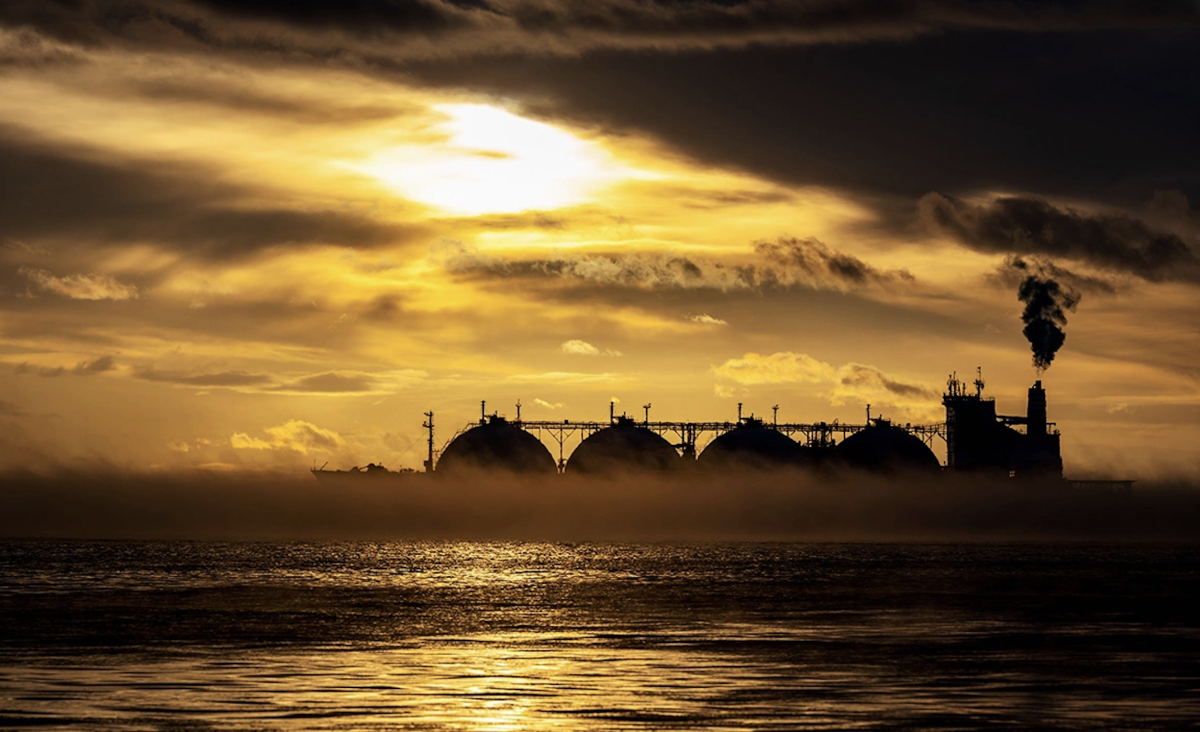
Concerns are growing in Europe that abandoning Russian liquefied natural gas from January 1, 2027, will lead to a new energy dependence — this time on the unpredictable policies of Washington.
This is reported by The New York Times.
American producers already supply around two-thirds of Europe’s LNG imports. According to the NYT, their share could reach 80% by the end of the decade. Increasing purchases from the US has become the primary way to compensate for the lost volumes of Russian gas.
The overall state of transatlantic relations is adding to the anxiety of European officials. President Donald Trump’s tariff threats, his demands over Greenland, and disagreements surrounding the US war with Iran have pushed relations between the two sides to what the publication describes as their lowest point. In this context, European officials, as the NYT writes, fear that the EU is effectively trading one dependence for another.
European Union Commissioner for Housing and Energy Dan Jørgensen outlined Brussels’ position:
“The US is certainly part of the solution to our problem in the short term, but in the long term we are on our way to completely getting rid of our dependence on natural gas,” he said, stressing that from an economic and security standpoint the region finds itself in an extremely precarious situation.
Representatives of the oil and gas industry in both the US and Europe, speaking to the NYT, rejected the notion that Washington is an unreliable partner, pointing out that the American market is governed primarily by commercial contracts rather than federal policy. The head of strategy at the International Association of Oil and Gas Producers, Nareg Terzian, called the concerns exaggerated:
“They are being expressed by people who are generally not very happy about the use of gas or LNG. At the core, we believe that both the US and the EU have an interest in keeping the flows going, and we hope that will remain the case,” he stressed.
Meanwhile, despite the approaching ban, Europe continues to increase its purchases of Russian gas. According to EU data cited by the NYT, from March 18 to May 31 imports of Russian LNG rose 17% compared with the same period in 2025, while pipeline gas imports rose 5%.
An additional factor of instability in the global LNG market has been the US war with Iran. Strikes on Qatar — the world’s second-largest gas exporter — damaged its export capacity, while attacks in the Strait of Hormuz brought tanker traffic to a near standstill, driving up European prices.
Tensions in energy relations between the US and the EU sharpened in June, when US Energy Secretary Chris Wright stated that Washington could halt LNG supplies to European countries if they did not ease their methane emissions controls. Jørgensen responded by vowing not to yield to pressure from the US and other LNG exporters demanding a revision of the EU’s methane regulations.
According to Bloomberg, the EU has become increasingly dependent on American gas since abandoning Russian supplies in 2022, while tackling methane emissions remains one of the bloc’s key climate goals. Earlier, in January, Politico reported that Europe already imports a quarter of its gas from the US, and some EU diplomats have acknowledged that Washington could use the existing energy dependence to advance its foreign policy objectives.




 English
  Русский