South Korean president accuses Ukraine of stoking war talk on the peninsula instead of apologizing
02.10.2026 11:01
MP Goncharenko calls on Ukraine to negotiate with Russia on all fronts — from sanctions to the status of Donbas
02.10.2026 12:02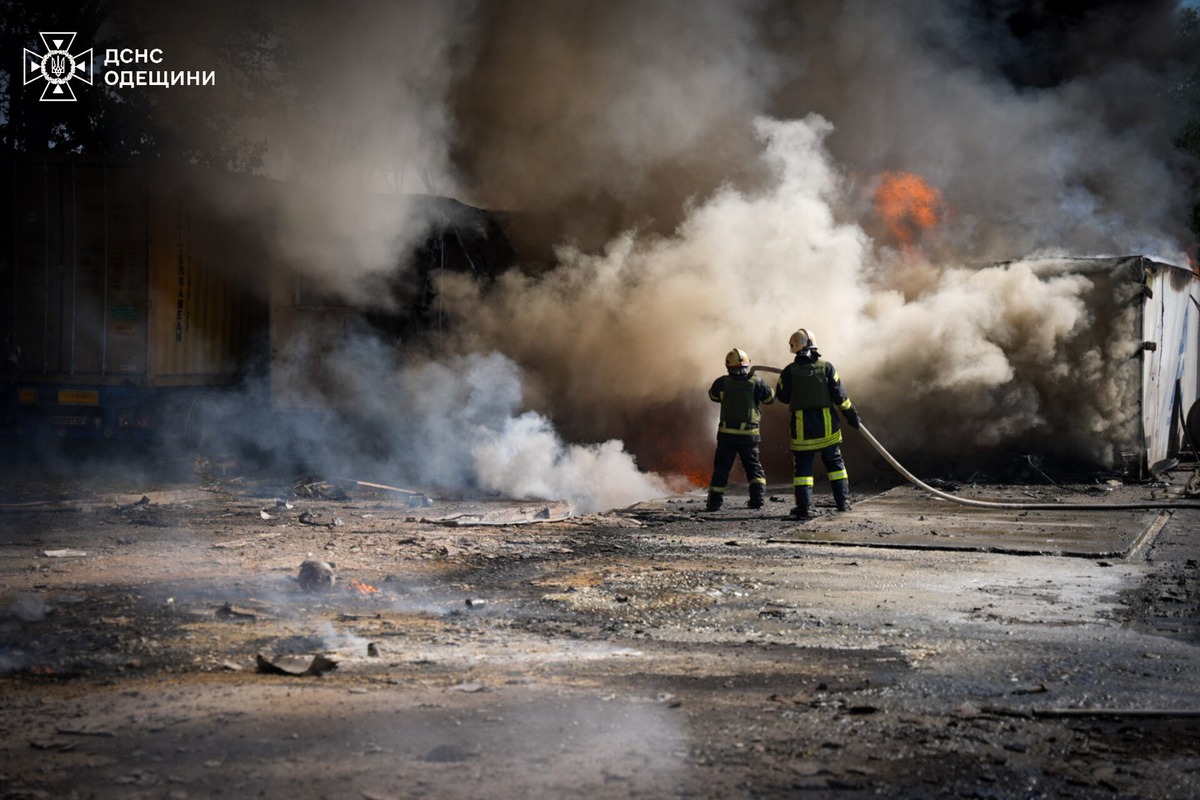
Ukraine has informed its European allies of a Russian plan for the systematic destruction of the country’s energy infrastructure using up to one thousand missiles, drones, and aerial bombs.
This was reported by The New York Times, citing sources.
According to Ukrainian authorities, the strikes on energy facilities in the capital region on the night of September 30 marked the beginning of a new campaign aimed at plunging Ukrainian cities into cold and darkness, breaking the morale of the population, and undermining the country’s war effort. Russia has conducted similar campaigns annually with varying success, but it has approached this winter with stockpiles of ballistic missiles and jet-powered drones that Ukraine struggles to intercept.
The scale of Russia’s plans became apparent from a document that Ukrainian Energy Minister Denys Shmyhal showed to European partners in Paris two weeks ago. Shmyhal presented it as an intercepted Russian plan to bring down the power grid through systematic strikes. The document is written in Russian and dated August. The NYT was unable to independently verify its authenticity.
The plan describes a strike campaign using up to 1,000 missiles, drones, and aerial bombs. The targets are to include electrical substations, hydroelectric and thermal power plants, as well as heating stations. Of greatest concern is the intention to shut down Ukraine’s three operating nuclear power plants — the backbone of the country’s energy infrastructure — by striking the open switchgear facilities that connect the plants to the power grid. These facilities are located less than one kilometer from the reactors. In addition, the plan calls for strikes on Ukraine’s water supply system, including pumping stations and treatment facilities, using dozens of ballistic missiles and glide bombs.
The ultimate goal stated in the document is to deprive major Ukrainian cities of electricity, heat, and water, which could trigger a humanitarian crisis. Kyiv, Kharkiv, and Odesa are identified as priority targets: the plan calls for reducing electricity supply in these cities by 90%, cutting heating volumes by up to 90%, and severely disrupting sewage systems. Russia has not previously attacked such facilities on such a large scale. Ukrainian officials have privately expressed concern that the country has few backup options in the event of serious disruptions to the water supply.
The plan envisions three phases of attacks. The first phase involves disabling substations near Ukraine’s western borders, through which electricity is imported from Europe. The second phase calls for the destruction of hydroelectric power plants. The third is intended to shut down Ukraine’s three operating nuclear power plants. In total, Russia intends to knock out generating capacity of nearly 15 gigawatts — equivalent to the total capacity Ukraine had at the end of summer.
Russian President Vladimir Putin stated in early autumn that the Russian army had been ordered to carry out massive strikes on Ukraine’s energy infrastructure.




 English
  Русский