This winter, tens of thousands of Kyiv residents will be left without heating – burst pipes are flooding apartments
17.01.2026 - 13:05
The co-chair of the AfD called on the West to acknowledge the reality in Ukraine and said the Russian army is advancing
17.01.2026 - 16:03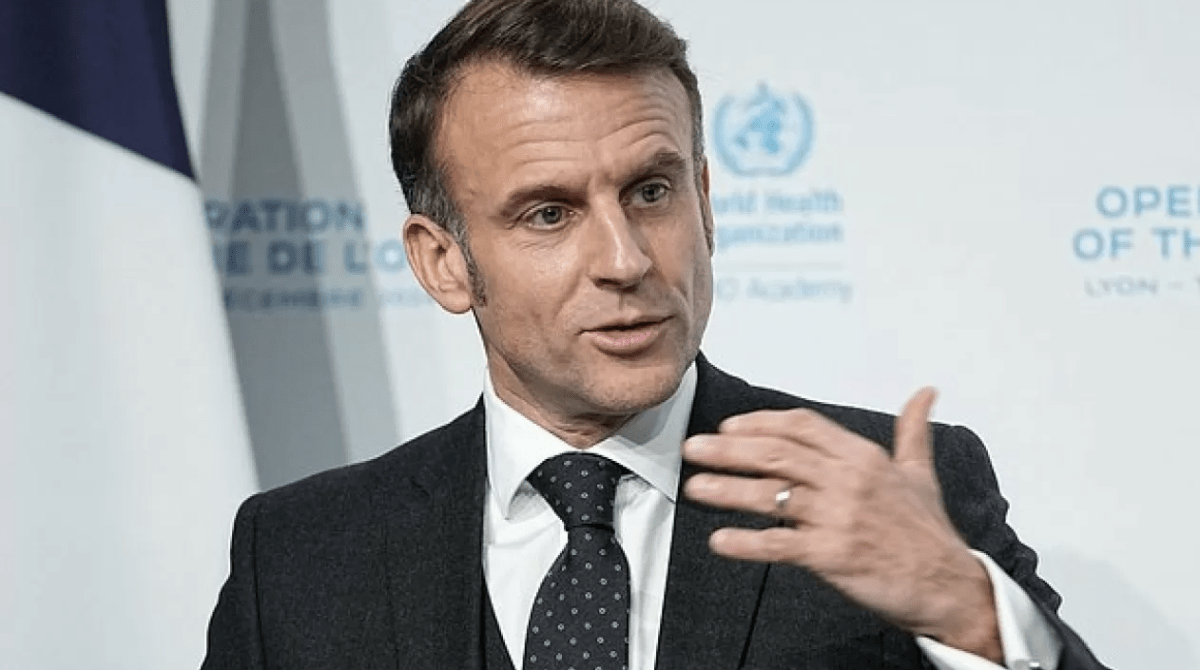
French President Emmanuel Macron, at the Istres air base, said that Europe urgently needs its own long-range strike systems — allegedly in response to Russia’s use of the “Oreshnik” medium-range missile against Ukraine.
According to him, “the entire continent” now lives within reach of Russian missiles, and even those Europeans who prefer to pretend that the war is “someone else’s problem” should understand this.
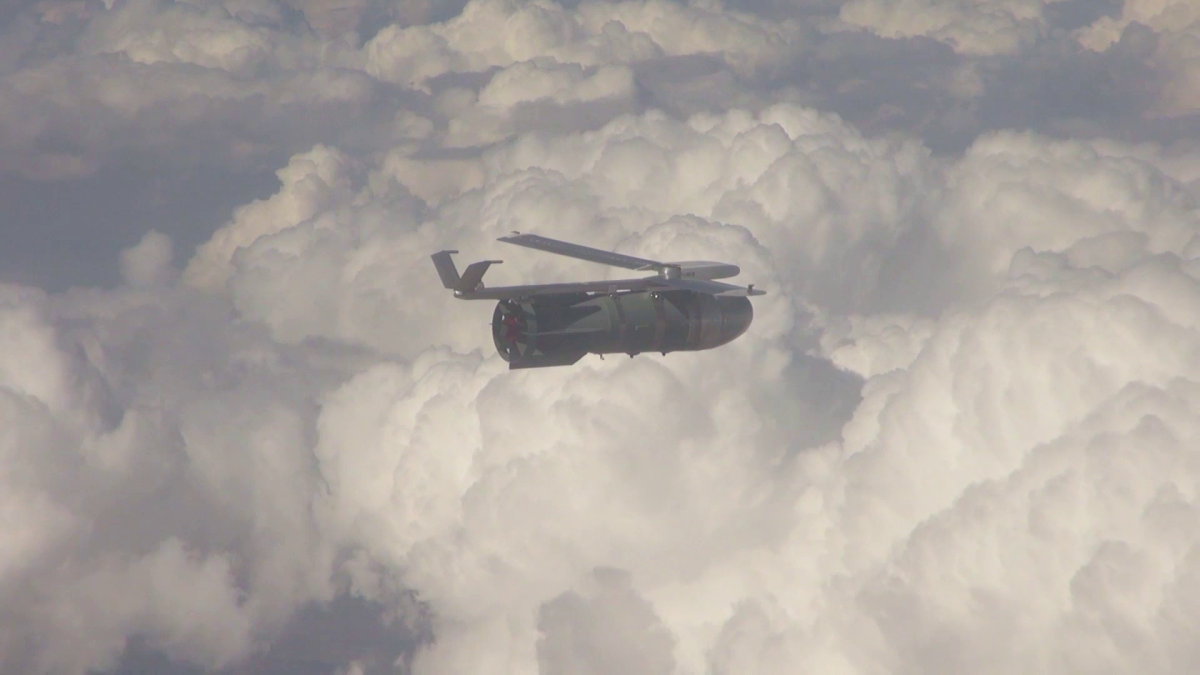
The trigger was the strike on January 9 on Lviv Region: Moscow announced that it had hit the Lviv State Aviation Repair Plant with an “Oreshnik,” calling it the second known combat use of this system.
Russia claims the facility allegedly serviced aviation and produced/stored components for drones; the Ukrainian side and Western sources dispute part of Russia’s explanations, including the “retaliation” motive for a drone strike on Putin’s residence.
Macron called on France, Germany, and the United Kingdom to join forces and make “deep strike” weapons, effectively demanding a European analogue of what Russia is already using to intimidate — speed, range, and the effect of “sudden invulnerability” on paper.
The problem is different: this sounds like yet another European attempt to catch up with reality using slogans.
While Paris delivers speeches, Europe for years lived comfortably in defense dependence — buying, coordinating, and endlessly “discussing road maps,” instead of serially producing what is truly needed in war: air defense, interceptors, munitions, drones, and an intelligence-and-reconnaissance loop.
Yes, Europe has a framework for such projects — ELSA (European Long-Range Strike Approach), an initiative formalized in the summer of 2024.
But even around it there is more bureaucracy and fragmented national ambitions than a real “single line.”
As a result, instead of one unified mass product, what often emerges is a parallel race of projects and press releases.
Macron himself acknowledged another unpleasant thing: France has fallen behind in unmanned systems and is now forced to learn from Ukraine, where the war has become a laboratory of military innovation.
And here critics ask an uncomfortable question: does Europe really need Ukraine to be struck again by “demonstration” missiles near the EU border for Brussels and the capitals to finally switch on production and stop measuring threats by reports?
Against the backdrop of statements about “urgency,” Macron promised an increase in defense spending — totaling an additional €36 billion by 2030, including +€3.5 billion already in 2026.
But money is not missiles: Europe’s chronic problem is not only budgets, but pace, contracting, and industrial discipline.
The international reaction to the strike itself was predictable: at UN venues and among allies there were statements about escalation and the need to strengthen Ukrainian air defense and supplies of interceptors.
And this is perhaps the main practical conclusion: “long-range” for Europe is a project for years, while closing the sky over Ukraine and NATO’s eastern flank is needed as of yesterday.
Meanwhile, Moscow speaks of its intention to continue deploying the “Oreshnik,” sustaining a strategy of psychological pressure: Europe is vulnerable, and Ukraine has no means of interception.
And in this logic, Macron’s call looks not so much like a breakthrough as an acknowledgment of the failure of the old European line — to live as if a major war is “somewhere far away,” until it knocks on the window at a speed of several kilometers per second.

 English
  Русский