Zelensky says he does not understand the reasons for denying Ukraine a NATO invitation
29.07.2026 12:04
South Korea reacts to Zelensky’s claim about 30,000 North Korean troops for Russia
29.07.2026 14:04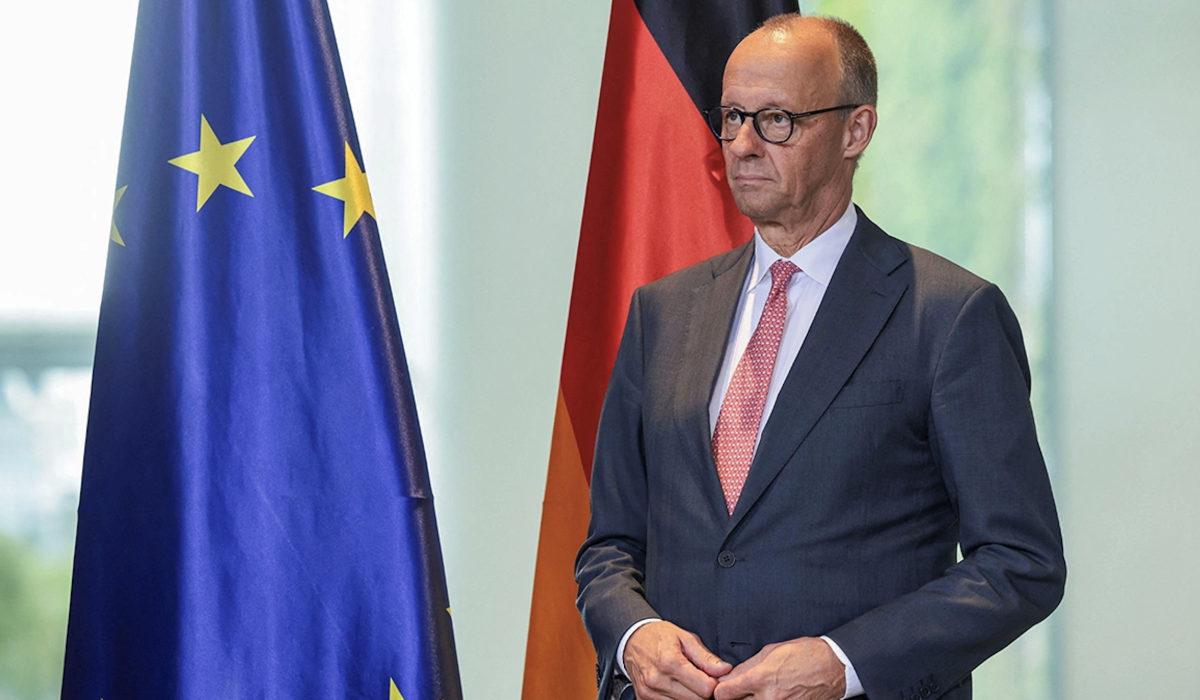
At a meeting with Irish Prime Minister Micheál Martin in Dublin, German Chancellor Friedrich Merz again demanded a substantial reduction to the European Union’s long-term budget — calling for the European Commission’s proposed spending plan for 2028–2034, worth nearly €2 trillion, to be cut by several hundred billion euros.
A tough budget stance
Speaking at a press conference at Farmleigh House, Merz said the EU should draw up a budget draft with cuts of several hundred billion euros rather than expanding its staff at the European level. He spoke out against introducing additional corporate taxes at the EU level and called for member states to be given flexibility in setting caps on agricultural subsidies for farms.
These demands build on Germany’s established negotiating position. In late June, Reuters reported that Berlin was pushing for a €400 billion reduction to the European Commission’s proposed budget. Merz warned that the plans were “unaffordable” and would require Germany to pay “at least 15 billion, and most likely 20 billion” euros more per year.
The Commission’s proposal, covering competitiveness, energy, agriculture, and cohesion, is facing resistance from a bloc of net contributor countries led by Germany, the Netherlands, Sweden, Austria, Denmark, and Finland. These “frugal” member states are pushing to redirect spending toward defense and innovation at the expense of traditional programs.
Deeper disagreements
At the European Council summit in June, leaders failed to agree on the overall size of the budget. A compromise document prepared by the Cypriot rotating presidency envisaged cutting the proposal by only 2%, far short of the “frugal bloc’s” demands.
Proposals for new EU revenue sources — including taxes on large corporations, digital companies, and cryptocurrencies — remain contentious. Germany is among those opposed to the introduction of taxes at the EU level.
The Dublin meeting also covered issues of Ukraine, competitiveness, and EU enlargement, according to a statement from the Irish government.


 English
  Русский