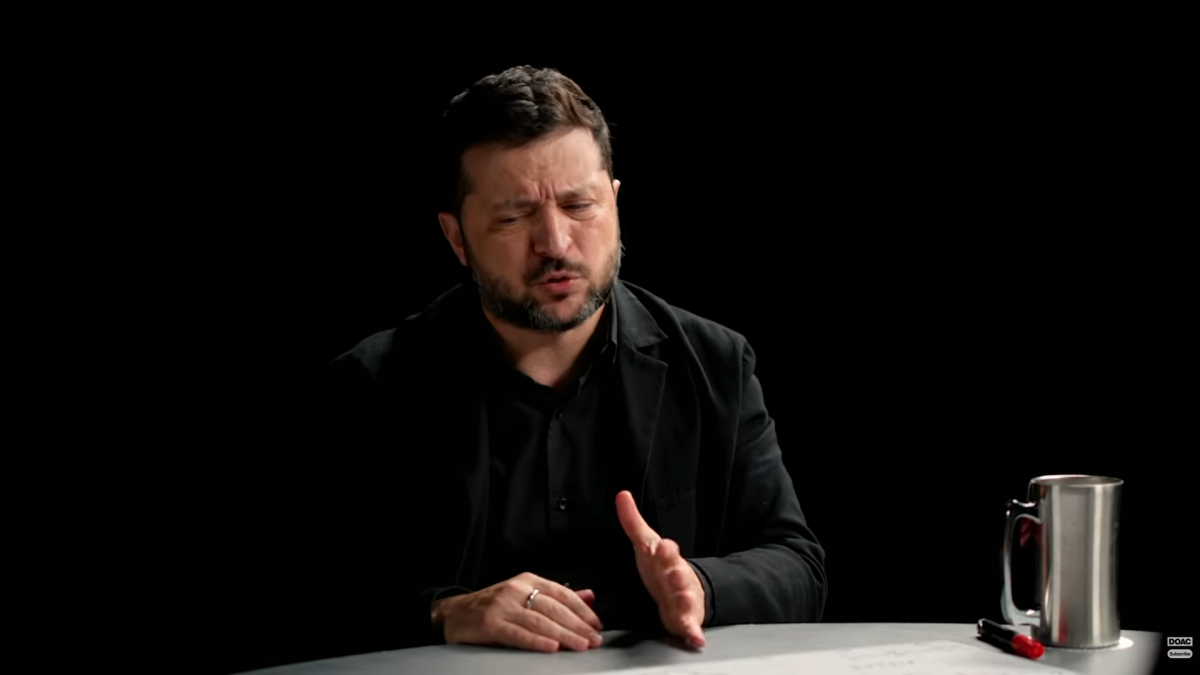
Economist: peace settlement plan envisions Ukraine giving up NATO membership in exchange for EU accession
23.10.2026 16:27
Novinsky: at the start of the war, Zelensky was ready to renounce NATO and recognize the status of Crimea and Donbas
23.10.2026 19:02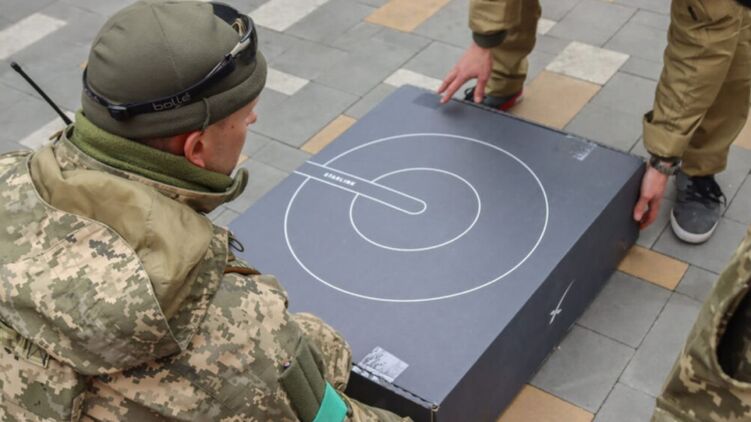
The British magazine The Economist writes that SpaceX owner Elon Musk may have introduced restrictions on the military Starlink communications package for Ukraine as punishment for strikes on Russian oil refineries.
According to the publication, the communications restriction may have served as a diplomatic warning. The decision, according to The Economist’s sources, came from the inner circle of U.S. President Donald Trump — his special envoy Steven Witkoff and Musk himself. At the same time, one of the magazine’s sources claims that Musk contacted the White House about Starlink only after the restrictions had already been imposed.
Earlier, The Wall Street Journal also reported that Musk personally ordered the slowdown of military communications for Ukraine. Neither the WSJ nor The Economist explains how the owner of a private company and a private individual comes to make important decisions in the defense and foreign policy sphere of the United States.
Meanwhile, the restrictions remain effectively in place, despite Trump’s statement that he had asked for them to be lifted. Sources at the French newspaper Le Monde within Ukraine’s Ministry of Defense report that the speed limit for the Ukrainian armed forces above 160 km/h is still in effect.
This is also confirmed by advisers to the Ukrainian president. Dmytro Lytvyn wrote on X:
“We see the same limit. That is, as of now, nothing has changed,” — he commented on media reports that the service was once again available in full.
Another adviser to the president, Serhiy Beskrestnov, also stated that no lifting of the speed restrictions has been observed. In his view, the few connections seen at higher speeds may be explained by SpaceX’s algorithms or specific usage conditions.


 English
 Русский