In Greece, the decision to halt the transit of gas from Russia was called a betrayal
02.01.2025 15:50
A British colonel spoke about Ukraine’s missed opportunity to win the conflict with Russia
02.01.2025 16:14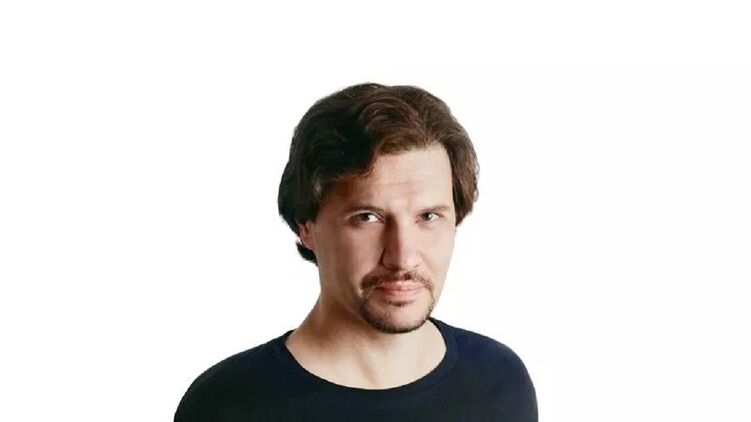
The Russian military expert Sergey Poletaev has presented a forecast on the development of the conflict in Ukraine.
He detailed it in an article for the publication Russia in Global Affairs.
His perspective is noteworthy for reflecting the sentiments and ideas dominant among Russian analysts close to the Kremlin.
Poletaev considers the prospect of a peace agreement or a global deal between Russia and the West, even with a return of Donald Trump to power in the U.S., to be highly unlikely. He argues that the West is unwilling to provide security guarantees to either Ukraine or Russia, making a sustainable peace treaty involving both parties impossible.
The expert outlines four main scenarios for the conflict’s further development:
1. Direct Peace Agreement Between Kyiv and Moscow.
Poletaev believes that Russia can sustain its current military efforts for at least another year, applying continued pressure on the Armed Forces of Ukraine. He speculates that if Western support for Ukraine diminishes, the country may be left to face Russia alone, potentially prompting a shift in the stance of Ukraine’s elites.
He writes: “Ukrainian elites may conclude that Russia is the only option to secure peace, as the alternative would be the destruction of the state.”
2. Conflict Freeze Similar to the ‘Korean Scenario’.
Poletaev suggests that Moscow might agree to a ceasefire if faced with significant economic, military, or political difficulties, such as resource exhaustion or the need for additional mobilization.
3. Prolonged Low-Intensity Conflict.
This scenario envisions reduced intensity of hostilities, with fighting continuing over many years. For this to materialize, Poletaev believes Ukraine would need to strengthen its defenses and economy to slow down Russia’s advance.
4. Escalation to Nuclear Confrontation.
The expert does not rule out that further escalation could lead to nuclear confrontation, especially if peace negotiations fail. Poletaev warns that in the absence of compromises and with mounting pressure, both sides may resort to extreme measures.
Poletaev’s forecast highlights the challenges of achieving a peaceful resolution and underscores the importance of foreign policy decisions for both Russia and Ukraine. He portrays a grim outlook, emphasizing the likelihood of prolonged instability and the potential for catastrophic escalation.


 English
  Русский