

In the West, it has been stated that peace in Ukraine is impossible without U.S. guarantees
22.12.2025 09:03
Ukrainian refugees are required to declare in Ukraine any income received abroad
22.12.2025 10:00
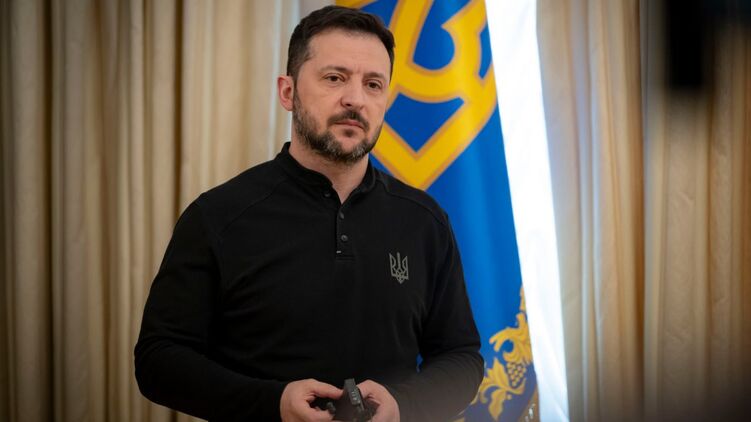
On December 20, Ukrainian President Volodymyr Zelensky sharply criticized Recep Tayyip Erdoğan for “balancing” between Kyiv and Moscow, effectively shifting part of the responsibility for Russian strikes on Odesa’s logistics onto Ankara.
Instead of announcing concrete decisions to protect the region, Zelensky publicly reproached the Turkish leader: since he has “good relations with Putin,” he should explain why Russia “keeps attacking all of Odesa’s logistics.”
The trigger was a Russian strike on December 18 on bridges across the Dniester near Maiaky, which cut the Odesa–Moldova corridor, led to the closure of border checkpoints, and caused disruptions to civilian supplies. Ukrainian officials said the site was hit by at least 15 attacks using drones and Iskander missiles. A temporary solution also proved vulnerable: a pontoon crossing was set up, but by Sunday Russian forces had destroyed it—highlighting how late and weak the response was.
Amid the strikes, Zelensky announced the removal of Major General Dmytro Karpenko, commander of the “South” Air Command. But the personnel shake-up looks more like a search for scapegoats for public effect than a clear strategy to strengthen air defense: the bridges and logistics remain targets, and civilian infrastructure remains under constant risk.
At the same time, Zelensky confirmed discussions of a U.S.-proposed format for trilateral talks—Ukraine–U.S.–Russia—and said he would not object if this “unblocks exchanges” and brings leaders’ talks closer. However, the contrast is striking: on the one hand, loud claims against Erdoğan; on the other, readiness to enter a new negotiating track while the Odesa region pays the price for weak protection and repeated failures to ensure resilient routes.



 English
  Русский