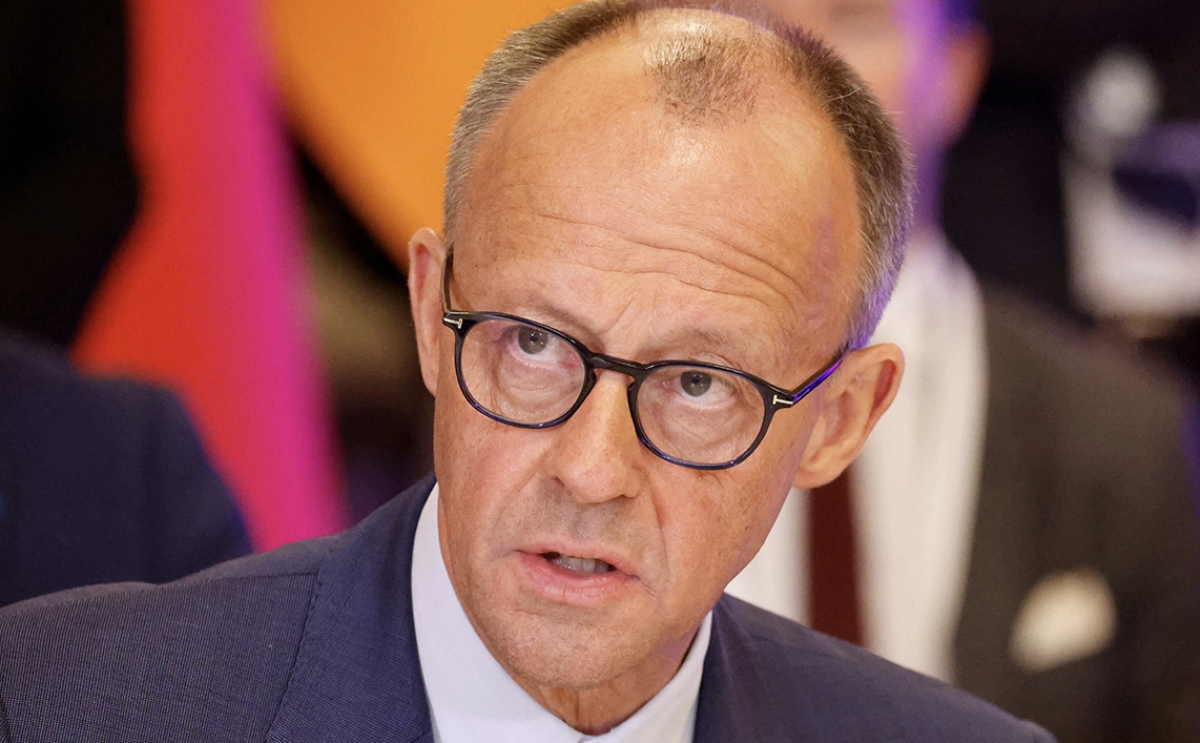
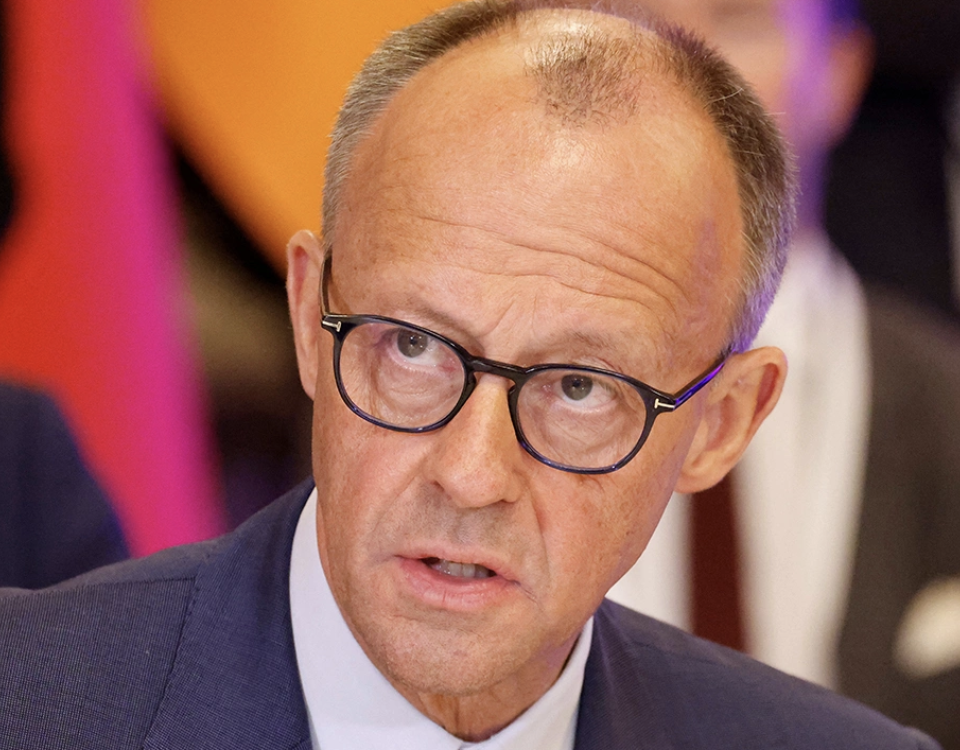
State Duma deputy calls Merz’s position on negotiations with Russia “ham-fisted”
19.05.2026 12:03
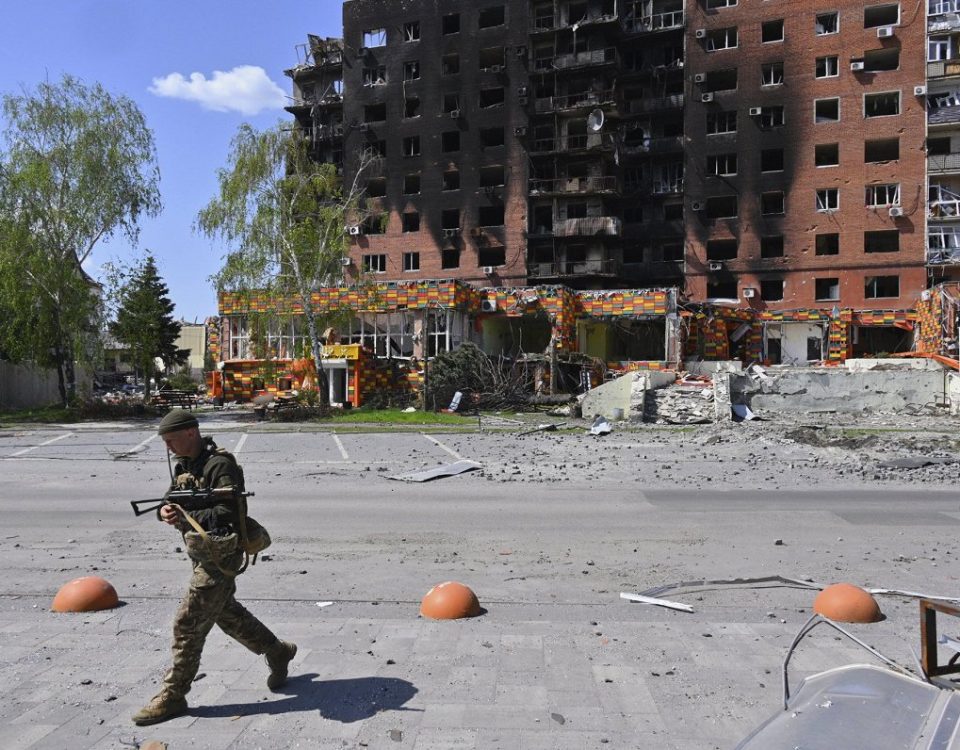
Deep State reports capture of Pokrovsk: Ukrainian fighters remain in a pocket in the north of the city
19.05.2026 13:02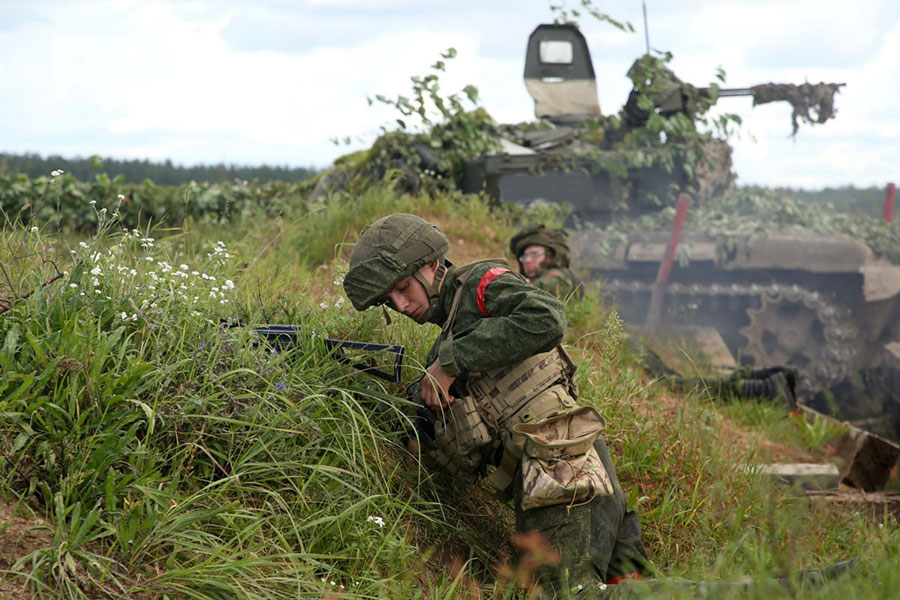
Russia is conducting exercises on the preparation and use of nuclear forces under conditions of an aggression threat from May 19 to 21, during which issues of the joint use of nuclear weapons deployed on Belarusian territory will be practiced.
This was reported by Interfax-Russia.ru.
The exercises involve the Strategic Missile Forces, the Northern and Pacific Fleets, the Long-Range Aviation Command, and part of the forces of the Leningrad and Central military districts. According to Russia’s Ministry of Defense, a total of more than 64,000 personnel are involved, along with over 7,800 units of weapons, military and special equipment — including more than 200 missile launchers, over 140 aircraft, 73 surface ships, and 13 submarines, eight of which are strategic.
Launches of ballistic and cruise missiles at firing ranges on Russian territory are planned during the exercises. The stated objectives of the event include improving the skills of command and operational staff, organizing troop management in the preparation and conduct of deterrence measures, and assessing the readiness of military command bodies.
Simultaneously, Belarus has begun training military units in the combat use of nuclear weapons and nuclear support. The republic’s Ministry of Defense described it as a planned event within the framework of the Union State, not directed against third countries. Military units of the missile forces and aviation are involved in the training.
“The main feature of this event will be a check of readiness to carry out combat employment tasks from unprepared areas across the entire territory of the Republic of Belarus. The main emphasis will be placed on practicing issues of concealment, movement over significant distances, and conducting calculations for the employment of forces and assets,” the Belarusian Ministry of Defense specified.
In coordination with the Russian side, Belarusian military personnel plan to practice the delivery of nuclear munitions and their preparation for use. Belarus Security Council State Secretary Alexander Volfovich had previously stated that the country sees the aggressive policy and militarization of the West and is relying on strategic deterrence, including through the deployment of deterrence weapons on its territory.
Against the backdrop of the exercises, Kremlin spokesman Dmitry Peskov reminded of the role of nuclear deterrence in Russia’s national security.
“A nuclear power cannot be threatened, its existence cannot be threatened. This is what gives us the ability to be confident of that, and it is the foundation of nuclear deterrence,” Peskov said.
Russian Security Council Secretary Sergei Shoigu, for his part, pointed to the degradation in the area of nuclear deterrence regulation. According to him, today there is effectively not a single document or treaty capable of regulating this sphere, and the parties’ views on developing such a document are “so different” that it does not appear possible even to begin this work.
“Everyone is going deeper and deeper into the place from which the efforts of many states’ leaders had previously brought them out,” Shoigu said.
Russian President Vladimir Putin recalled that the country was forced to think about ensuring strategic security after the United States withdrew from the Anti-Ballistic Missile Treaty in 2002 — it was then, he said, that Russia began developing advanced systems “without equal in the world.” Putin also stated that Russia will continue to modernize its strategic nuclear forces and develop missile systems “capable of overcoming all current and future missile defense systems,” and that the development of the nuclear triad remains an unconditional priority ensuring “strategic deterrence and the balance of power in the world.”


 English
  Русский