Most Ukrainians in Poland do not want to return home — poll
07.10.2026 05:03
Bulgaria sees no grounds for invoking NATO Articles 4 and 5 after drone attacks in the Black Sea
07.10.2026 06:02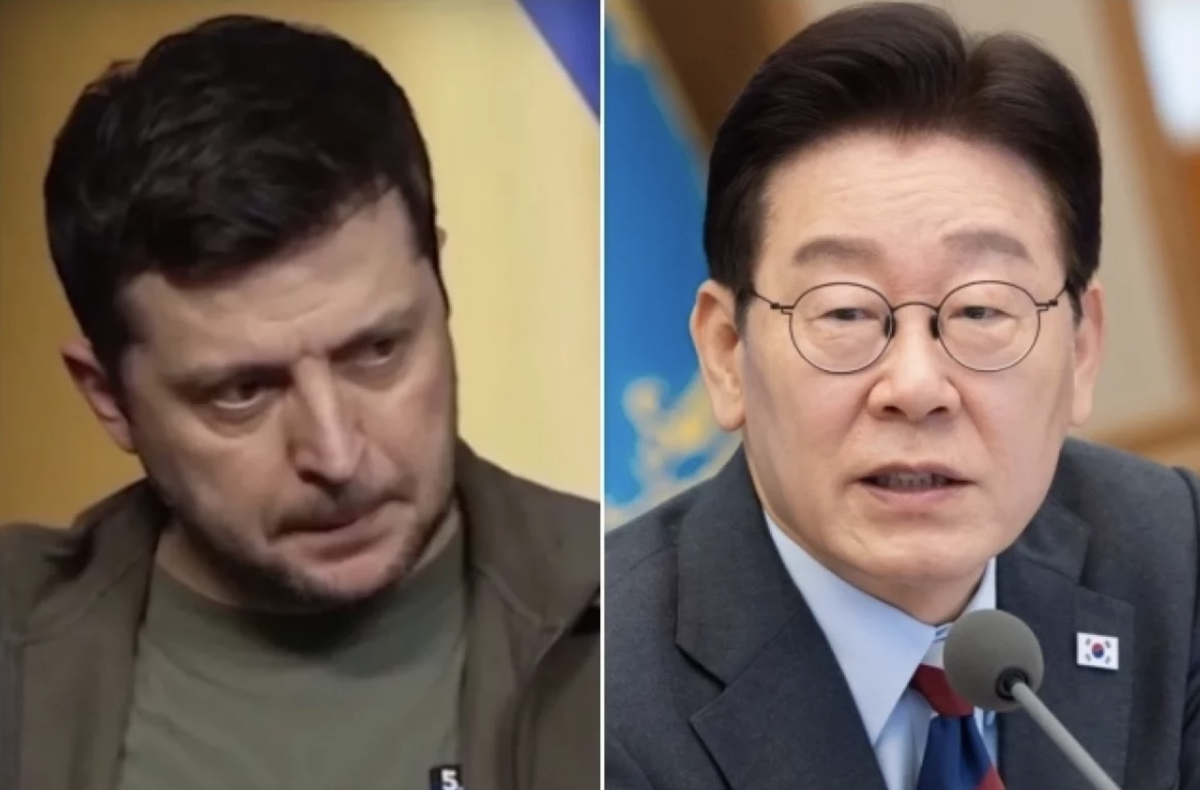
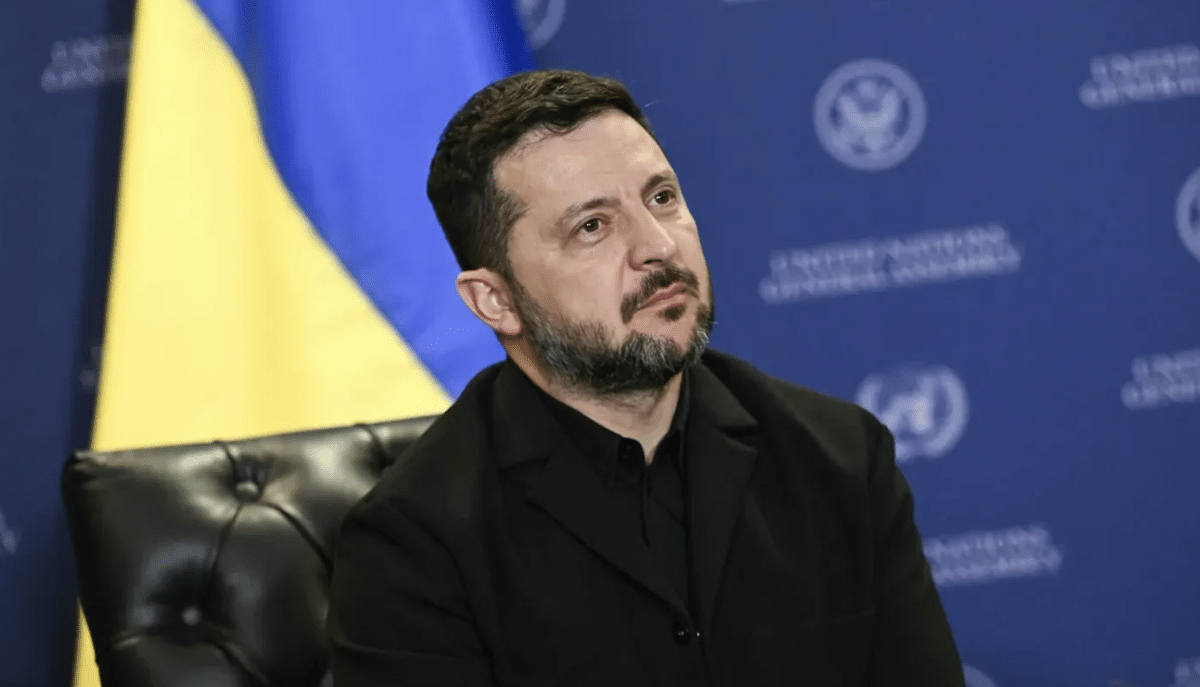
The scandal between Seoul and Kyiv that erupted after Zelensky’s speech at the UN General Assembly may conceal a far more serious underlying issue than a breach of confidentiality.
That view was expressed in a comment to aif.ru by Konstantin Asmolov, candidate of historical sciences and leading research fellow at the Center for Korean Studies of the Institute of China and Contemporary Asia of the Russian Academy of Sciences.
The conflict was triggered by Zelensky’s disclosure during his UN General Assembly address of the transfer of two North Korean prisoners of war to South Korea — in violation of a confidential agreement between the parties. Seoul demanded an official apology and received one, but Foreign Minister Cho Tae-yul stated that it did not meet the expected standard.
In Asmolov’s view, the harshness of Seoul’s reaction is explained not solely by the fact of the disclosure itself.
“One needs to consider what is behind such a harsh reaction from Seoul, such active demands for an apology. In this connection, I have a question: is this reaction not linked to a fear that Ukraine will not only let slip the very fact of the agreement, but will also reveal what Seoul paid for the transfer of the prisoners of war? Making that fact public could deal a very serious blow to Seoul’s relations with Moscow or to inter-Korean dialogue,” the expert said.
Asmolov also noted that if the transfer of the prisoners had been simply a humanitarian gesture, Seoul’s reaction to the disclosure would have been fundamentally different.
When asked what exactly Seoul might have offered Kyiv, the expert dismissed the version involving South Korean air defense systems as payment for the prisoners and put forward his own hypothesis. According to him, the current South Korean leadership has a practice of operating through proxy structures. As an example, he cited the story of reconnaissance drones that were launched into the North and filmed North Korean military facilities: officially this was presented as the work of a group of enthusiasts, but it subsequently emerged that the team was financially supported by the intelligence services. The participants received only minor suspended sentences for aviation safety violations.
“Against this backdrop, it is entirely possible that a similar group of democracy advocates also violated the official ban on travel to Ukraine and secretly went to Kyiv to study combat experience or to teach Ukrainians South Korean high-tech. This is only a hypothesis, but if it is confirmed, Seoul’s relations with Moscow will deteriorate significantly. In effect, this amounts to sending instructors — and how they are disguised is a secondary matter,” the Korea scholar explained.
Speaking about Seoul’s real leverage over Kyiv, Asmolov assessed it as minimal. According to him, South Korea officially supplied only non-lethal weapons through substitution deliveries — for example, sending to Poland exactly as many tanks as Poland was sending to Ukraine.
“In other words, Seoul’s official actual assistance to Kyiv is negligible,” the expert stated.
Asmolov characterized the rhetoric about “decisive measures” as playing to a domestic audience.
“Talk of decisive measures and so forth is, I believe, aimed at a domestic rather than a foreign audience. It is a desire to show that they are all so proud and independent,” he added.

 English
  Русский