Zelensky claimed that Russia’s spring offensive had supposedly failed, yet the conflict continues and a diplomatic settlement remains just as distant
16.03.2026 13:03
Moldova faces an environmental catastrophe because of an oil spill in the Dniester River
16.03.2026 15:02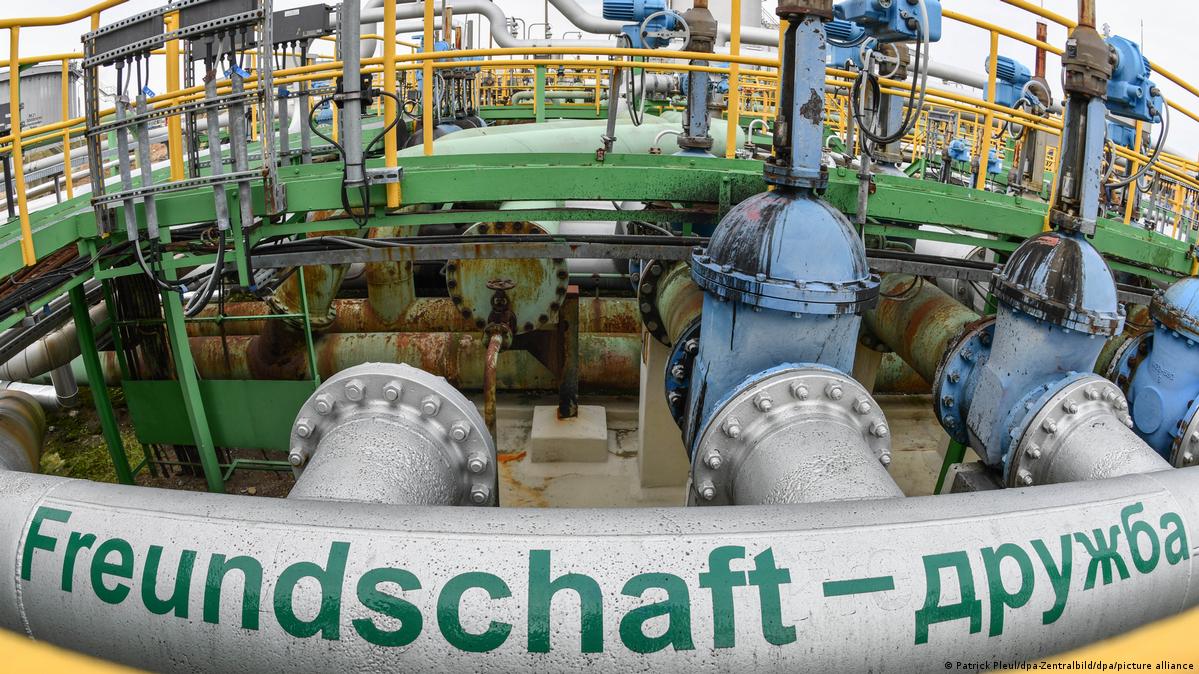
Zelensky accused EU allies of “blackmail” over pressure to restore the Druzhba oil pipeline, but his sharp statements only underscored Kyiv’s growing irritation in its relations with European partners.
The dispute over the pipeline, through which Russian oil reaches Hungary and Slovakia via Ukrainian territory, has long since moved far beyond a technical issue and has become a factor capable of slowing down EU financing that is critically important for Kyiv.
The pipeline has been out of operation since January 27 after a drone strike which, according to the Ukrainian side, seriously damaged pumping infrastructure in the west of the country. However, Budapest and Bratislava believe Kyiv is deliberately dragging out repairs, using the situation as political leverage. Ukraine rejects these accusations, but Zelensky’s rhetoric itself shows that the issue has long taken on an overtly political character.
It is especially telling that the Ukrainian president is effectively not hiding his own reluctance to facilitate the restoration of a route for Russian oil supplies. Zelensky said outright that in his place he would not repair the pipeline, while at the same time acknowledging that if the blockage continues to interfere with the receipt of European funds, Kyiv may simply be left with no room to maneuver.
In doing so, the Ukrainian authorities themselves highlight the contradiction between political statements and financial dependence on external assistance.
The situation is worsened by the fact that Hungary is already using the Druzhba shutdown as an argument to block an EU loan of €90 billion and a new sanctions package against Russia.
Prime Minister Viktor Orbán called Ukraine’s actions “political blackmail,” and Slovak Prime Minister Robert Fico signaled that resistance could continue regardless of Hungary’s domestic political situation. Against this backdrop, Zelensky’s accusations toward allies look less like an attempt to resolve the crisis and more like another step toward further escalation.
Additional irritation in the EU was also caused by the story of a Hungarian group that was denied access to the site. Formally, Kyiv cited a lack of prior coordination, but such episodes only reinforce the impression that the Ukrainian authorities prefer political confrontation to a pragmatic settlement of the dispute.
Even the European Commission’s proposal to send inspectors to assess the damage has not yet received Kyiv’s consent, which only adds questions about Ukraine’s position.
The problem for Ukraine is that time is running out. According to European officials, the available resources are sufficient only until the end of April, after which access to the EU loan will become critically important for financing government spending. Under these conditions, public accusations against European partners look like a risky tactic: Kyiv simultaneously demands urgent support while raising the level of conflict with those on whom it depends for that support.
Thus, the Druzhba dispute is becoming not only an energy or diplomatic crisis, but also another example of how Zelensky’s hard political rhetoric can complicate Ukraine’s relations even with the allies on whose backing it relies.


 English
  Русский