The European Commission would be surprised if temporary protection for Ukrainians is extended, DW reports
06.03.2026 - 05:03
Trump called Zelensky an obstacle to ending the war
06.03.2026 - 06:04
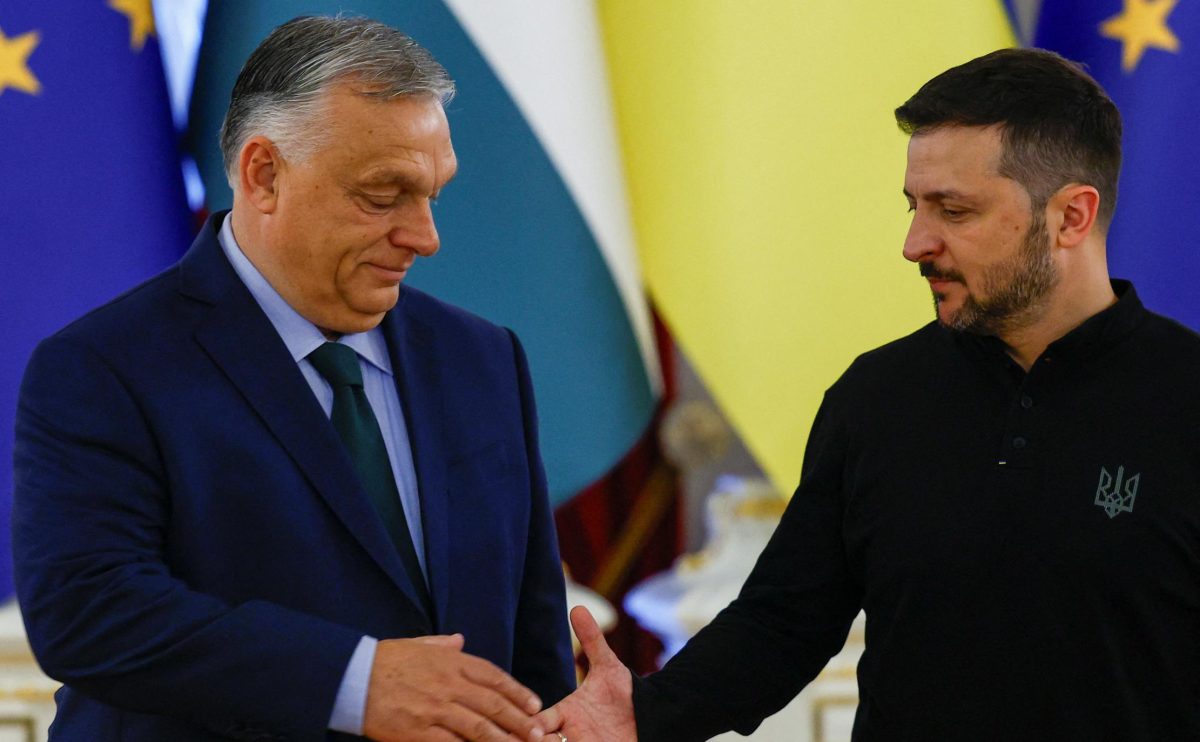
The European Commission has not yet found a way to provide Ukraine with a €90 billion loan.
This was reported by Politico.
“European Commission officials are discussing whether there is a way to provide Ukraine with these funds despite Hungary’s opposition. But so far there is no clear answer,” the outlet writes, citing sources.
One EU diplomat said there is no quick legal or procedural solution that would allow Hungary to be “pushed into the background.” Another European diplomat said Budapest is insisting that Ukraine make concessions regarding the transit of Russian oil through the Druzhba pipeline.
One source added that EU officials have been considering using Article 7 of the Treaty on European Union, which allows a member state’s rights to be suspended if it seriously and persistently violates the Union’s fundamental principles. However, the diplomat said, “there is no sign that Slovak Prime Minister Robert Fico or Czech Prime Minister Andrej Babiš would agree to that.”
Another option is a process known as “enhanced cooperation,” which involves voting by a qualified majority, Politico writes. But this is “legally difficult,” the outlet notes, because “some decisions related to unlocking the loan require unanimity.” Therefore, if legal solutions are not possible, “the Commission is left only with trying to persuade” Hungary’s Prime Minister Viktor Orbán.
Politico notes that EU leaders hope to resolve the issue by the meeting of European leaders on March 19. A preliminary draft summit resolution seen by Politico says leaders “welcome” the loan agreement for Kyiv and expect the first payment to Ukraine “by early April.”
On January 27, Ukraine blocked oil supplies to Hungary through the Druzhba pipeline. In response, Budapest suspended diesel fuel supplies to Ukraine, blocked the EU decision to grant the €90 billion loan, and also blocked the adoption of the 20th package of anti-Russian sanctions. At the end of February, Viktor Orbán said Hungary would continue blocking the loan as long as Kyiv obstructs the transit of Russian oil.



 English
  Русский